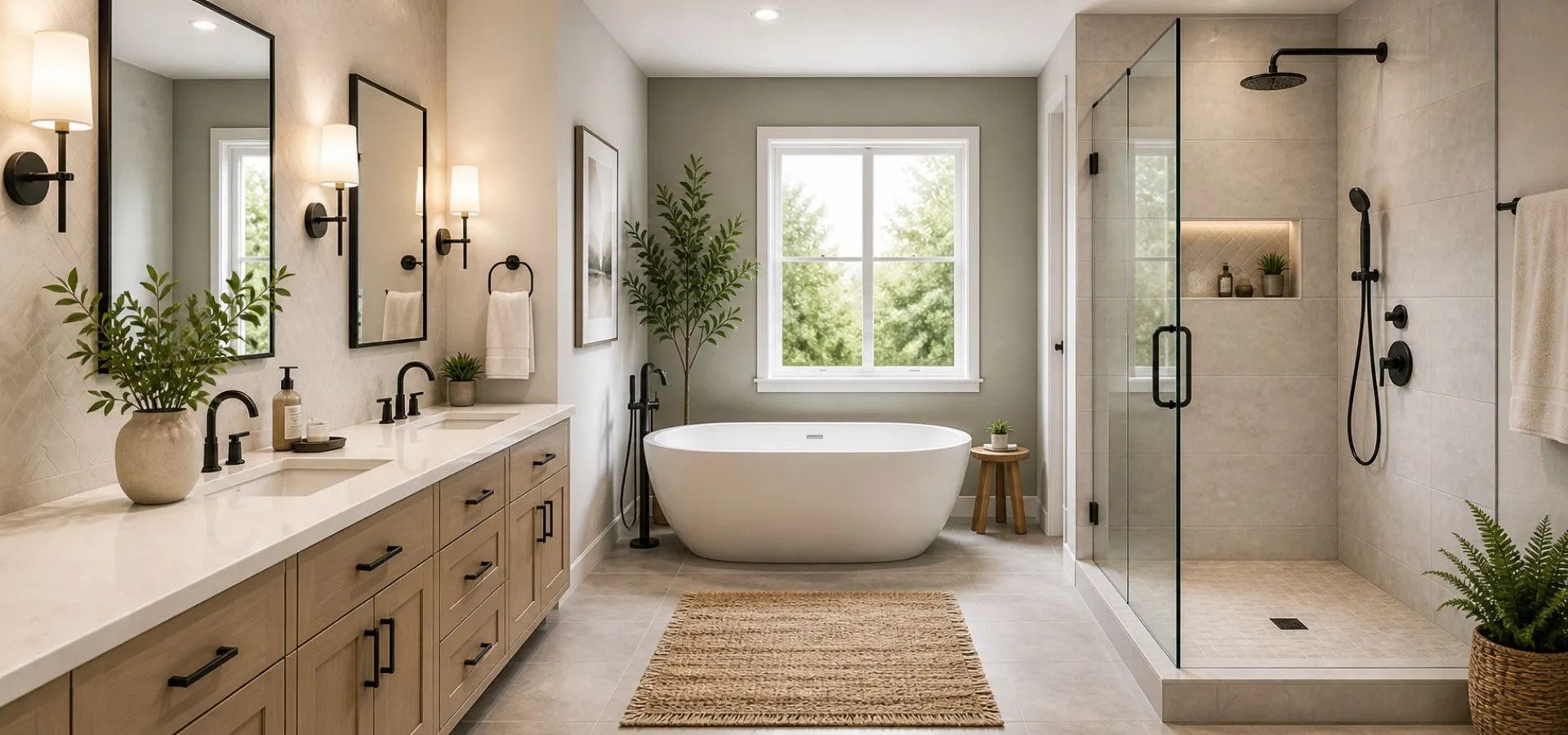

Bathroom Remodeling is one of the most popular home improvement projects because it improves comfort, functionality, and property value. Whether you own a home in West Virginia or Columbus, Ohio, deciding between a DIY renovation and hiring a contractor is one of the first decisions you'll make.
While DIY projects may seem appealing due to potential cost savings, bathroom renovations often involve specialized skills that can impact the safety and longevity of the remodel.
When DIY Bathroom Remodeling Makes Sense
DIY bathroom remodeling works best for simple cosmetic improvements that do not require permits or technical expertise.
Examples include:
- Painting walls and ceilings
- Replacing cabinet hardware
- Installing mirrors and accessories
- Updating light fixtures
- Replacing faucets with existing connections
- Adding shelving or storage solutions
For homeowners who enjoy home improvement projects and have the necessary tools, these updates can refresh a bathroom without significant investment.
Benefits of DIY Remodeling
- Lower labor costs
- Flexible project timeline
- Personal satisfaction
- Complete control over design choices
However, DIY mistakes can become expensive when plumbing leaks, improper waterproofing, or incorrect electrical work lead to future repairs.
When Hiring a Contractor Is the Better Choice
Professional contractors bring expertise, licensing, and project management skills that are difficult to replicate through DIY efforts.
Bathroom remodeling projects often involve multiple trades, including:
- Plumbing
- Electrical work
- Tile installation
- Waterproofing systems
- Ventilation upgrades
- Structural modifications
An experienced contractor understands local building codes in West Virginia and Columbus and ensures all work meets safety requirements.
Benefits of Hiring a Professional Contractor
Superior Workmanship
Professional installers have years of experience working with tile, flooring, vanities, showers, and custom bathroom layouts.
Faster Project Completion
A contractor can coordinate suppliers, subcontractors, and inspections to keep the project on schedule.
Reduced Risk
Improper waterproofing is one of the leading causes of bathroom damage. Professionals use proven installation methods that help prevent mold, leaks, and costly repairs.
Increased Home Value
According to real estate professionals, well-executed bathroom renovations can significantly improve resale appeal and buyer confidence.
Cost Comparison: DIY vs Professional Remodeling
The upfront cost of DIY remodeling is usually lower because labor expenses are eliminated.
However, homeowners should consider:
- Tool purchases
- Material waste
- Permit requirements
- Repair costs from mistakes
- Extended project timelines
Professional remodeling may require a larger initial investment, but it often delivers better durability, warranty protection, and long-term value.
Key Factors to Consider Before Choosing
Before deciding between DIY and professional bathroom remodeling, ask yourself:
- Do I have plumbing and electrical experience?
- Will permits be required?
- Can I complete the project safely?
- How important is the final finish quality?
- What is the cost of correcting mistakes?
If the project involves moving plumbing lines, expanding the shower, installing a new bathtub, or reconfiguring the layout, professional assistance is generally recommended.
Conclusion
DIY bathroom remodeling can be a practical solution for small cosmetic upgrades. However, full-scale Bathroom Remodeling projects in West Virginia and Columbus often benefit from professional expertise. Contractors provide quality workmanship, code compliance, efficient project management, and long-term value that can outweigh the initial cost savings of a DIY approach.
Frequently Asked Questions
Is DIY bathroom remodeling cheaper?
DIY remodeling typically reduces labor costs, but mistakes, tool purchases, and project delays can increase overall expenses.
2. What parts of a bathroom remodel should not be DIY?
Plumbing, electrical work, waterproofing, and structural changes are generally best handled by qualified professionals.
3. Do bathroom remodels require permits in WV or Columbus?
Permit requirements vary by municipality and project scope. Plumbing, electrical, and structural modifications often require permits.
4. Does hiring a contractor increase home value?
Professional remodeling generally produces higher-quality results that can improve resale value and buyer confidence.
5. How long does a professional bathroom remodel take?
Most bathroom remodeling projects take between two and six weeks depending on complexity, materials, and inspection requirements.


























Sign in to leave a comment.