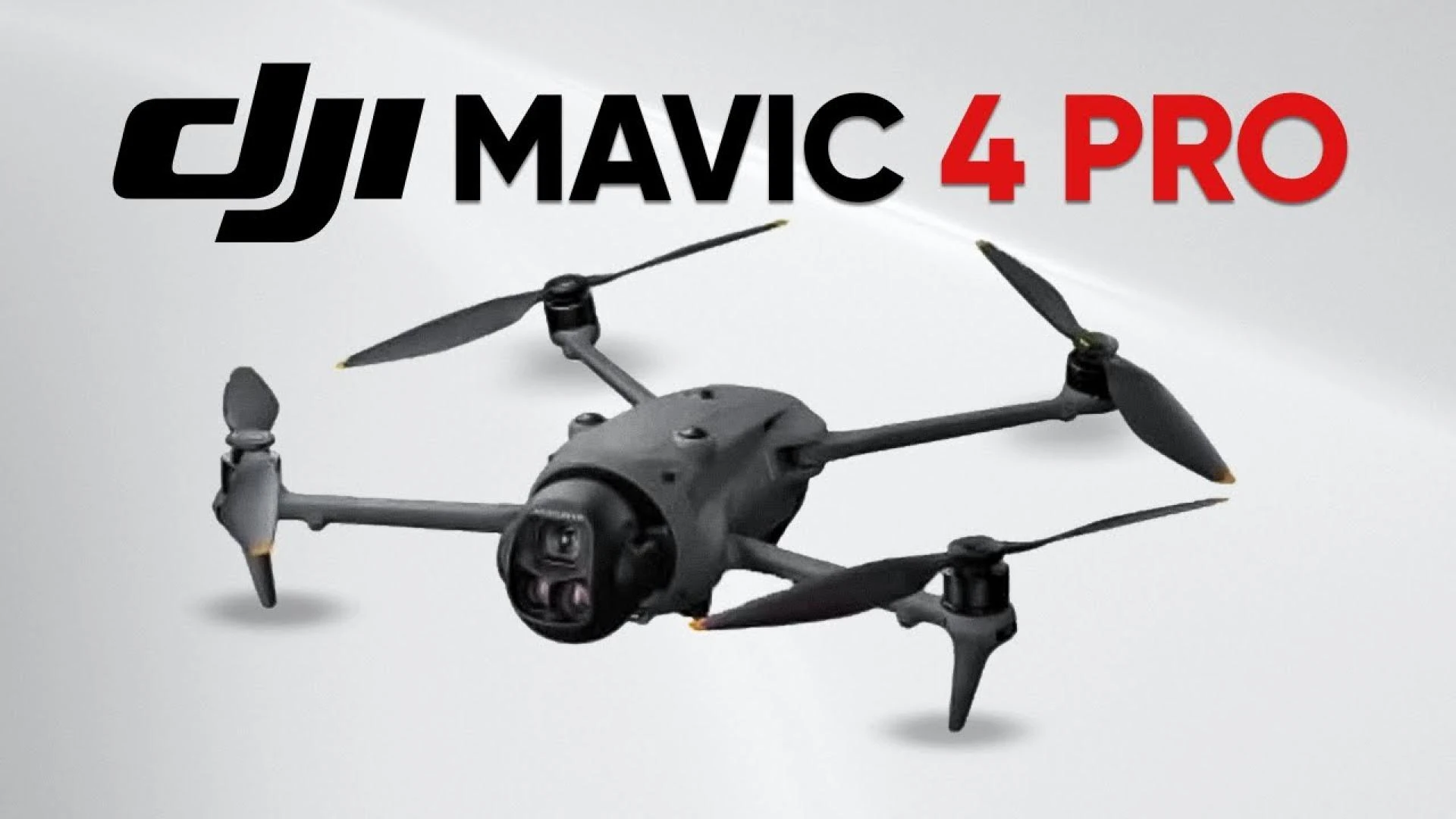

For productions that shift between sweeping establishing shots and precise, telephoto cutaways, the DJI Mavic 4 Pro stands out because it consolidates range, resolution, and control in a single foldable platform. Its core proposition isn’t just “more pixels”; it’s a tighter integration of a 100-megapixel Hasselblad wide camera with two dedicated tele modules, a fully rotating gimbal, and flight time that can realistically cover multiple setups per battery.
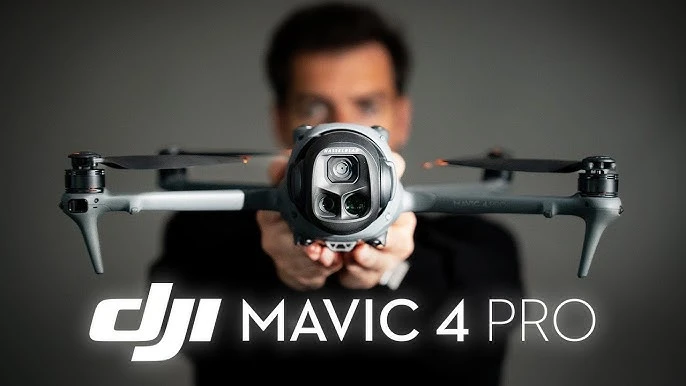
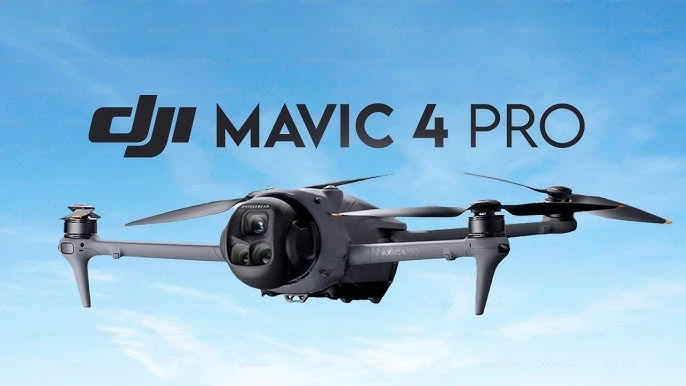
At the center is a 4/3-type Hasselblad wide camera capable of 100 MP stills and 6K/60p HDR video. The two additional lenses extend creative options without lens swaps or airframe changes: a medium tele for natural-looking compression and a long tele for true reach. In practice, that three-camera span (28 mm, 70 mm, and 168 mm full-frame equivalent) lets you move from grand landscapes to subject-isolating inserts with consistent colorimetry and matching profiles. For teams that care about post, 10-bit recording across the system helps preserve highlight roll-off and skin-tone nuance during grading.
The gimbal is the other headline feature. DJI’s “Infinity” concept enables 360-degree roll along with extended pan/tilt ranges, so you can execute moves—barrel-roll reveals, dynamic portrait-format passes, and unconventional camera orientations—that previously demanded heavier rigs or contortions in post. Vertical capture isn’t an afterthought; it’s stable, repeatable, and integrated with the flight controller, which matters if you’re delivering both horizontal and vertical masters from the same shoot.
Endurance and link reliability are strong. DJI rates the Mavic 4 Pro at up to 51 minutes per battery in ideal conditions; in the field, most crews should plan for less, but it’s still enough to sequence multiple takes before swapping packs. O4+ transmission supports long-range links with 10-bit HDR downlink, which translates to a clearer live view for pulling focus, monitoring exposure, and flying with confidence when the RF environment is crowded. Omnidirectional obstacle sensing—including low-light detection down to 0.1 lux—adds a safety margin at dusk or under city spill, though professional best practice still calls for conservative speeds and vigilant line-of-sight when light drops.
There are practical caveats worth noting. Despite the “Pro” moniker, the Mavic 4 Pro does not support Apple ProRes; if your pipeline mandates ProRes originals, you’ll need to plan for transcode or look at larger airframes. Regional availability has also varied since launch; U.S. availability in particular has been inconsistent and, at times, limited to third-party retailers rather than direct sales. Neither is a show-stopper for most productions, but both are planning considerations—especially if your clients expect ProRes-first delivery or you’re sourcing fleet spares on tight timelines.
As for kit choices, the Creator-oriented configurations pair the aircraft with the RC Pro 2 controller featuring a bright, rotatable 7-inch display and higher-spec accessories. If you’re weighing bundles, think beyond the airframe: factor in extra batteries, a robust NVMe workflow for ingesting 6K/60 HDR shoots, and ND sets matched to your preferred shutter discipline. You can compare configurations and regional stock at Toneart—start here.
Bottom line: the Mavic 4 Pro is compelling when you need a travel-ready system that delivers cinema-grade wide shots, credible telephoto coverage, and unconstrained gimbal moves without stepping up to heavier drones. If your deliverables live in 10-bit HDR and you value creative freedom over raw sensor size alone, it’s an efficient, versatile tool for modern aerial storytelling.
























Sign in to leave a comment.