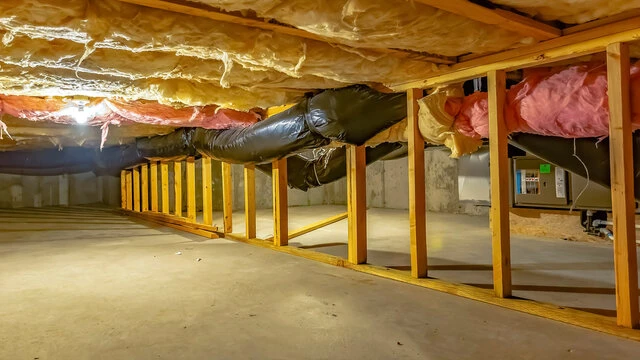

Basement insulation can reduce the risk of frozen pipes, but it does not guarantee protection on its own. Insulation helps keep the basement temperature more stable and slows heat loss, reducing the chance that pipes will reach freezing temperatures. The best results come when insulation is paired with proper pipe placement, air sealing, and controlled heating.
This article explains how basement insulation affects pipe freezing, what types of insulation work best, and what steps property owners should take to protect pipes in winter. It also includes practical guidance for colder climates and shows what to check before making upgrades.
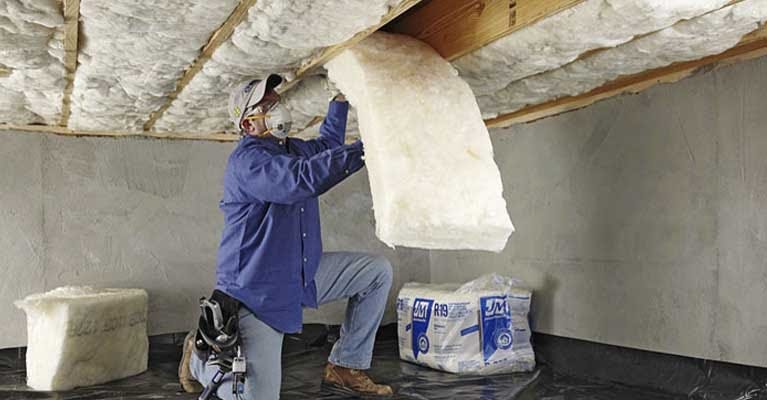
How Basement Insulation Helps Protect Pipes
Basement insulation adds a thermal barrier that slows the movement of cold air into the space. When the basement stays warmer, pipes are less likely to drop below freezing.
Insulation also supports more even temperatures across the basement. This reduces cold spots near exterior walls and foundation areas where pipes often run.
Where Pipes Freeze Most Often
Pipes most often freeze near exterior walls, uninsulated rim joists, and areas with direct exposure to cold air. Insulation helps, but it must be placed in the right locations to matter.
Common Freeze Risk Areas
Uninsulated rim joists and exposed pipes near windows or doors can lose heat quickly. Pipes in these spots need more protection than those in the middle of the basement.
How Insulation Works in Cold Weather
Insulation slows heat loss, but it does not generate heat. The basement still needs a source of warmth, such as controlled heating or heat from the living space above.
Best Insulation Options for Basement Pipe Protection
Different insulation types perform differently in basements. Property owners should choose materials based on the basement layout and moisture conditions.
Spray Foam vs Fiberglass vs Rigid Foam
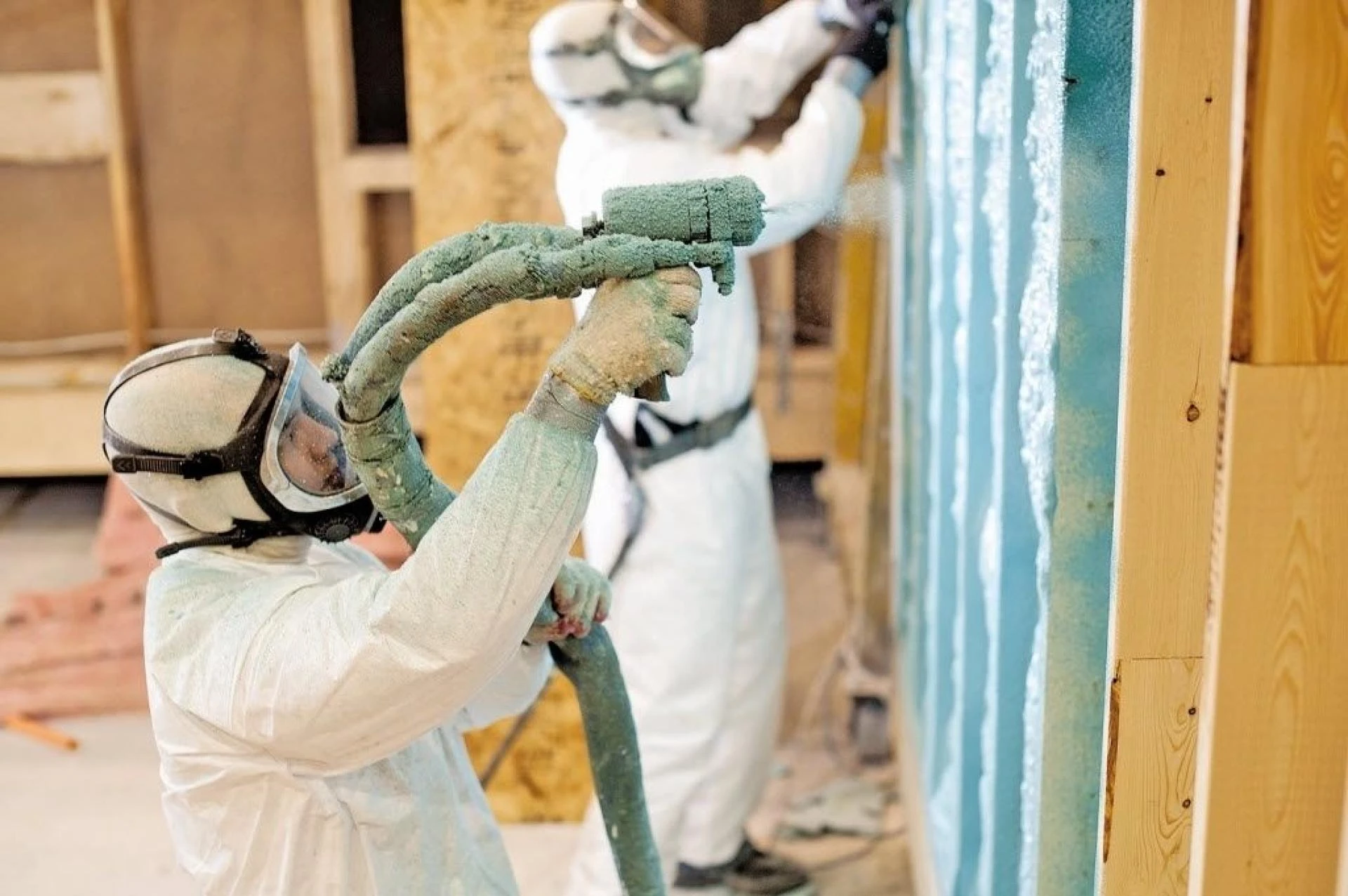
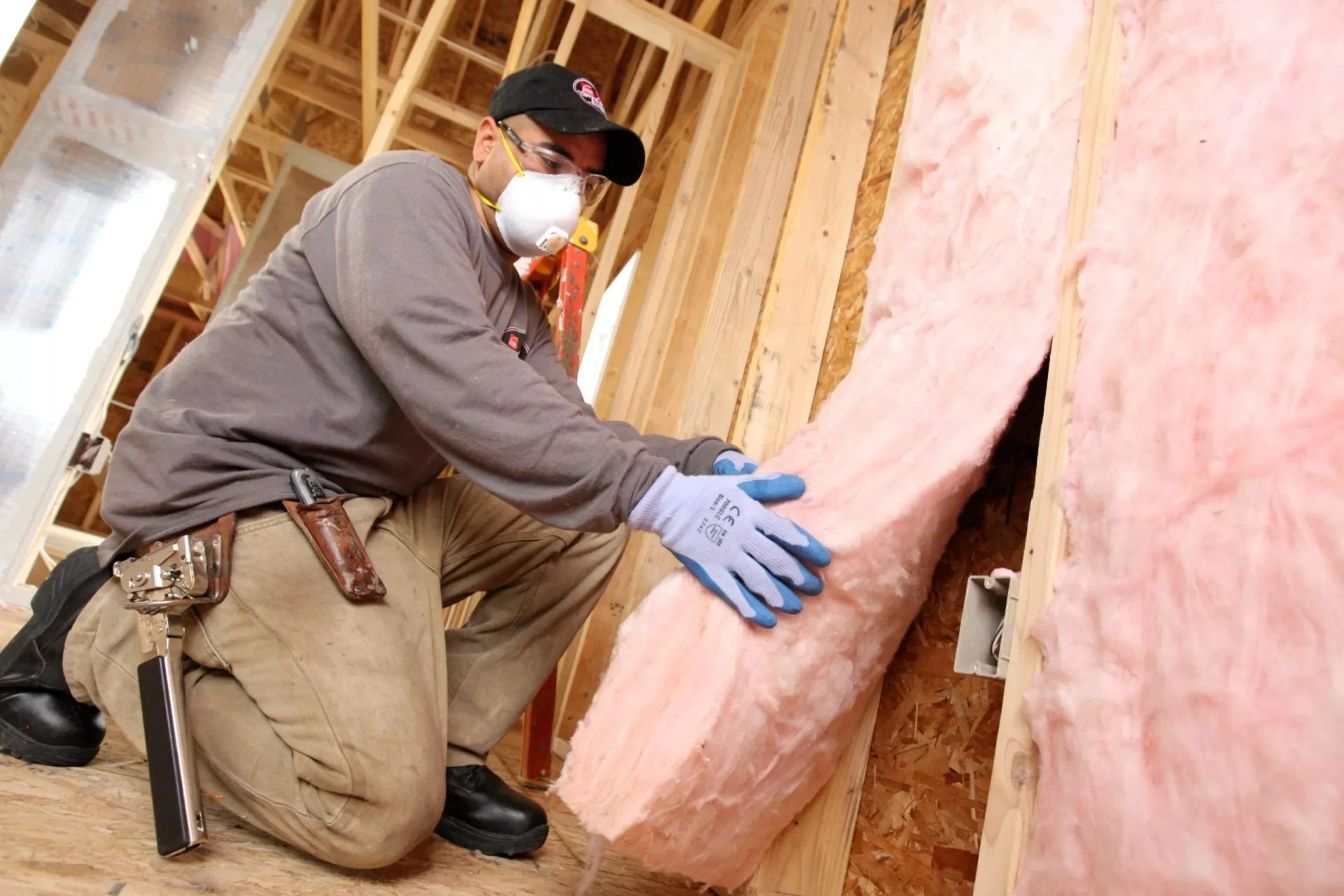
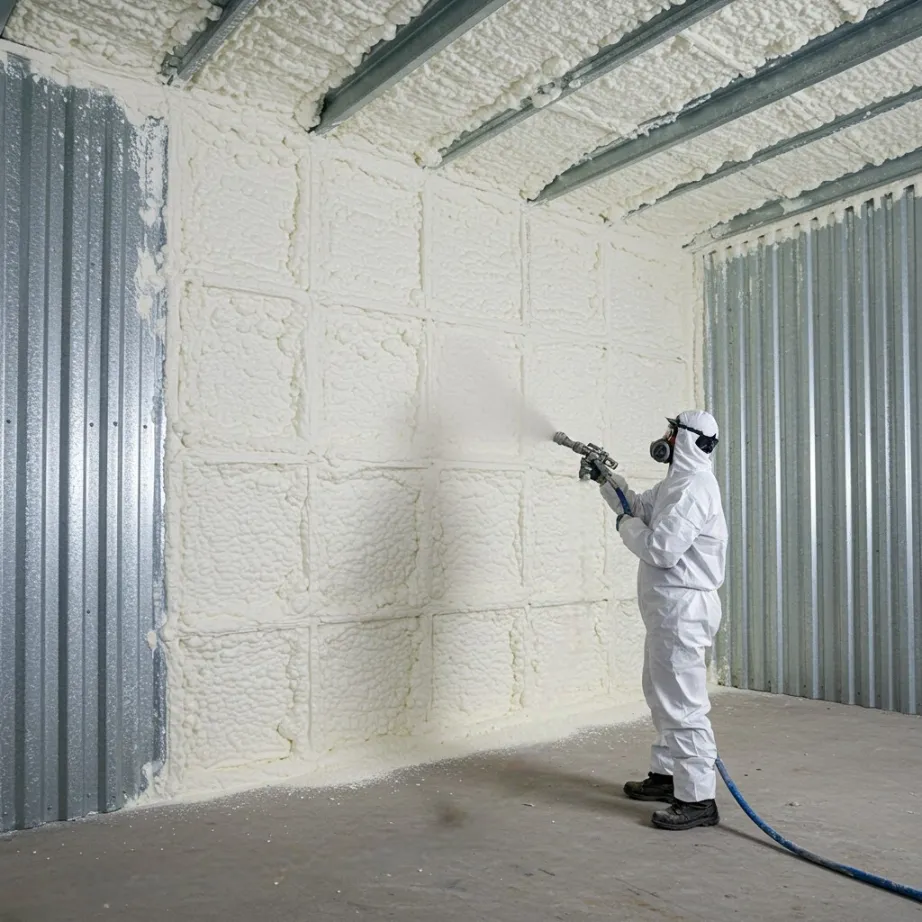
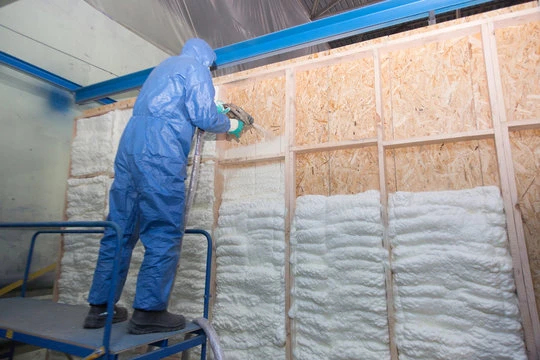
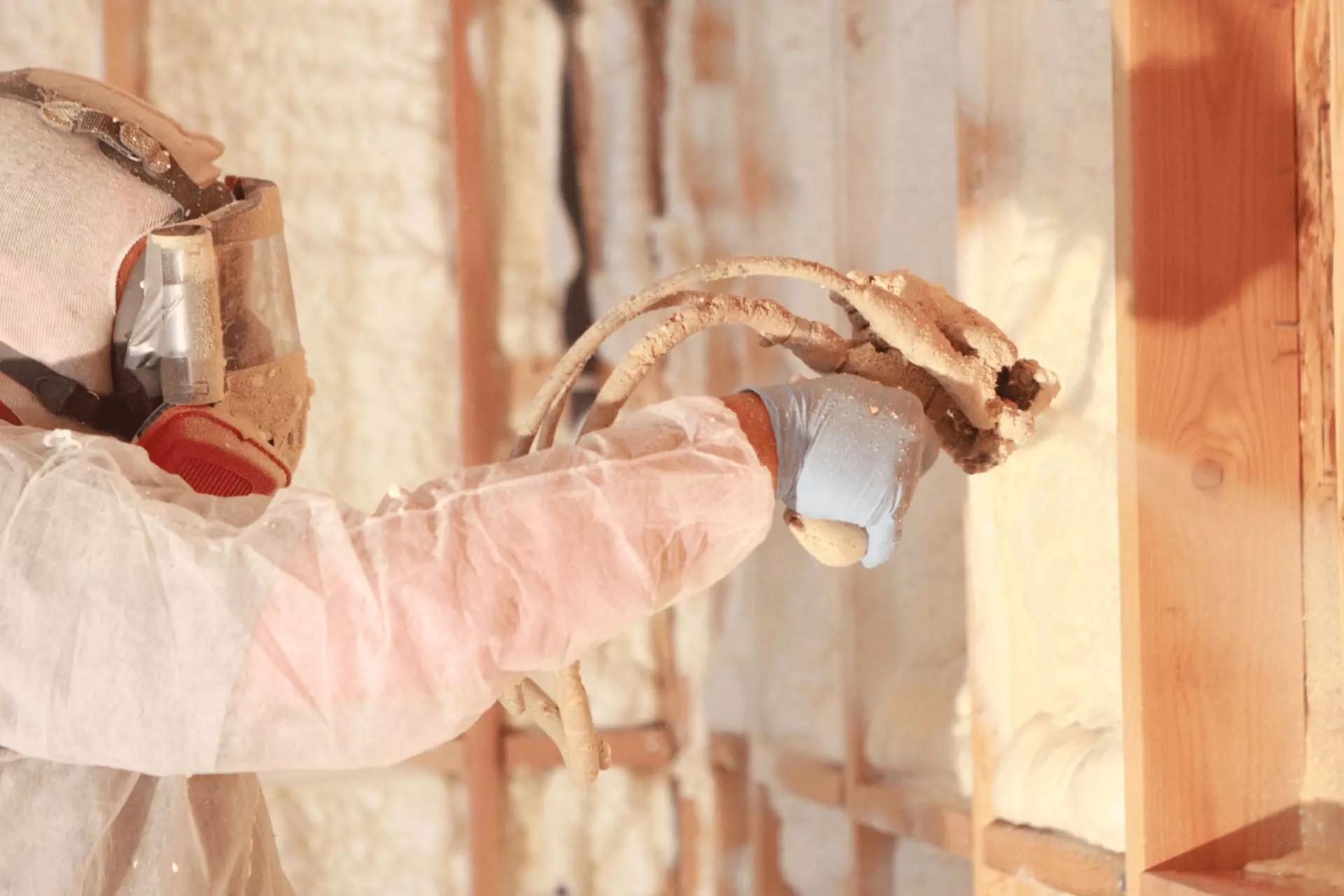
Spray foam is often used in basements because it seals gaps and adds insulation in one step. Fiberglass can trap moisture and may not seal air leaks well. Rigid foam works well on foundation walls, but must be sealed correctly at seams.
Comparison Table of Basement Insulation Options
| Insulation Type | Air Sealing Strength | Moisture Risk | Best Use Case |
|---|---|---|---|
| Spray foam | High | Low when installed properly | Rim joists and wall gaps |
| Rigid foam | Medium | Low when sealed | Foundation walls |
| Fiberglass | Low | High if damp | Interior stud walls only |
Market data shows that air sealing can reduce heat loss by up to 30 percent in cold climates. Many pipe freeze incidents occur when cold air moves through gaps and chills pipes directly.
Bonus Tips
- Use closed cell spray foam near rim joists to reduce air leaks
- Seal rigid foam seams with tape or spray foam to prevent drafts
- Avoid fiberglass near foundation walls unless moisture is controlled
Why Insulation Alone May Not Stop Freezing
Insulation slows heat loss but does not keep the basement warm if the temperature drops far below freezing. Cold air can still enter through unsealed gaps, and pipes near cold spots can freeze even with insulation nearby.
Air Sealing and Heat Source Are Still Needed
Pipes freeze when they lose heat faster than they gain it. Insulation helps, but air sealing and a stable heat source are often required to keep pipe temperatures above freezing.
Common Gaps That Cause Freezing
Open rim joists, unsealed pipe penetrations, and cracks in foundation walls can let cold air into the basement. These gaps often create cold pockets near pipes.
Heat Source Options
Basements can be warmed with the home’s HVAC system, a small space heater, or heat from the living space above. The key is maintaining a stable minimum temperature.
Things to Consider Before Making a Decision
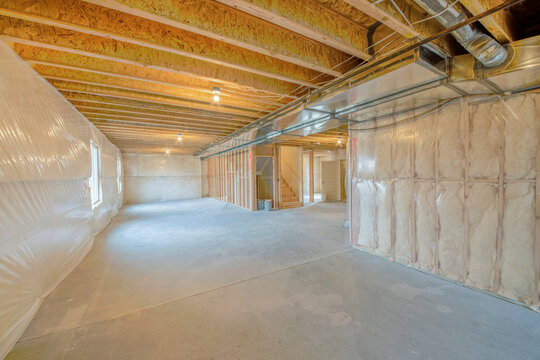
Before adding basement insulation, property owners should review several factors that affect performance and cost.
Basement Moisture and Ventilation
Basements with moisture issues need moisture control before insulation. Trapping damp air behind insulation can cause mold and damage.
Pipe Location and Type
Metal pipes freeze faster than plastic pipes. Pipes running along exterior walls or through uninsulated areas need more protection.
Climate and Winter Severity
In regions with long freezing periods, insulation alone may not be enough. A combination of insulation, air sealing, and controlled heating provides the best protection.
Budget and Long Term Maintenance
Insulation can reduce heating costs, but it must be installed correctly. Mistakes can lead to moisture issues and reduced performance.
What to Do for Better Pipe Freeze Protection
Insulation works best when paired with practical steps that reduce freezing risk. A comprehensive approach targets cold-air entry, pipe exposure, and heat supply.
Simple Steps That Help
- Seal gaps around pipes and rim joists
- Insulate pipes directly in high-risk areas
- Keep the basement temperature above 55°F during cold spells
Bonus Tips
- Keep cabinet doors open for pipes near exterior walls
- Let faucets drip slightly during extreme cold
- Add pipe sleeves or heat tape to exposed pipes
Questions People Ask About Basement Insulation and Frozen Pipes
Can basement insulation alone stop pipes from freezing?
Insulation alone can reduce the risk, but it does not guarantee protection. Air sealing and stable heating are also needed.
Where should insulation be placed to protect pipes?
Insulation is most effective at rim joists, exterior walls, and any area where pipes run near cold air sources.
Is spray foam better than fiberglass for basement pipes?
Spray foam seals air gaps and adds insulation, making it a stronger option for areas near pipes and exterior walls.
What temperature should a basement stay at to prevent freezing?
Keeping the basement above 55°F is a common guideline, but colder homes may need higher minimum temperatures during extreme weather.
How can homeowners check for cold spots in the basement?
Cold spots often appear near unsealed rim joists, foundation cracks, and uninsulated pipe runs. A simple check is to feel for drafts or use a basic infrared thermometer.
Final Takeaway
Basement insulation can help prevent pipes from freezing, but it works best as part of a broader approach. Proper air sealing, targeted pipe insulation, and consistent heat supply are needed to keep pipes safe in winter. Property owners should evaluate basement moisture, pipe location, and climate conditions before choosing insulation upgrades.
Next Steps for Winter Pipe Protection
Property owners who want a clear plan for basement insulation and pipe freeze prevention can consult local insulation experts for an assessment. Raleigh Excel Spray Foam Insulation can help identify weak points and recommend solutions based on the building layout and climate. They can be reached at [email protected] or (919) 301-9435 for guidance and project planning.
Author: Edith has extensive experience in residential and commercial property management and is dedicated to helping clients improve energy efficiency, comfort, and indoor air quality through advanced insulation solutions.
Reviewer: With nearly a decade in the spray foam insulation field, William Harris reviewed this post and provided guidance that reflects both technical understanding and real world marketing experience.
























Sign in to leave a comment.