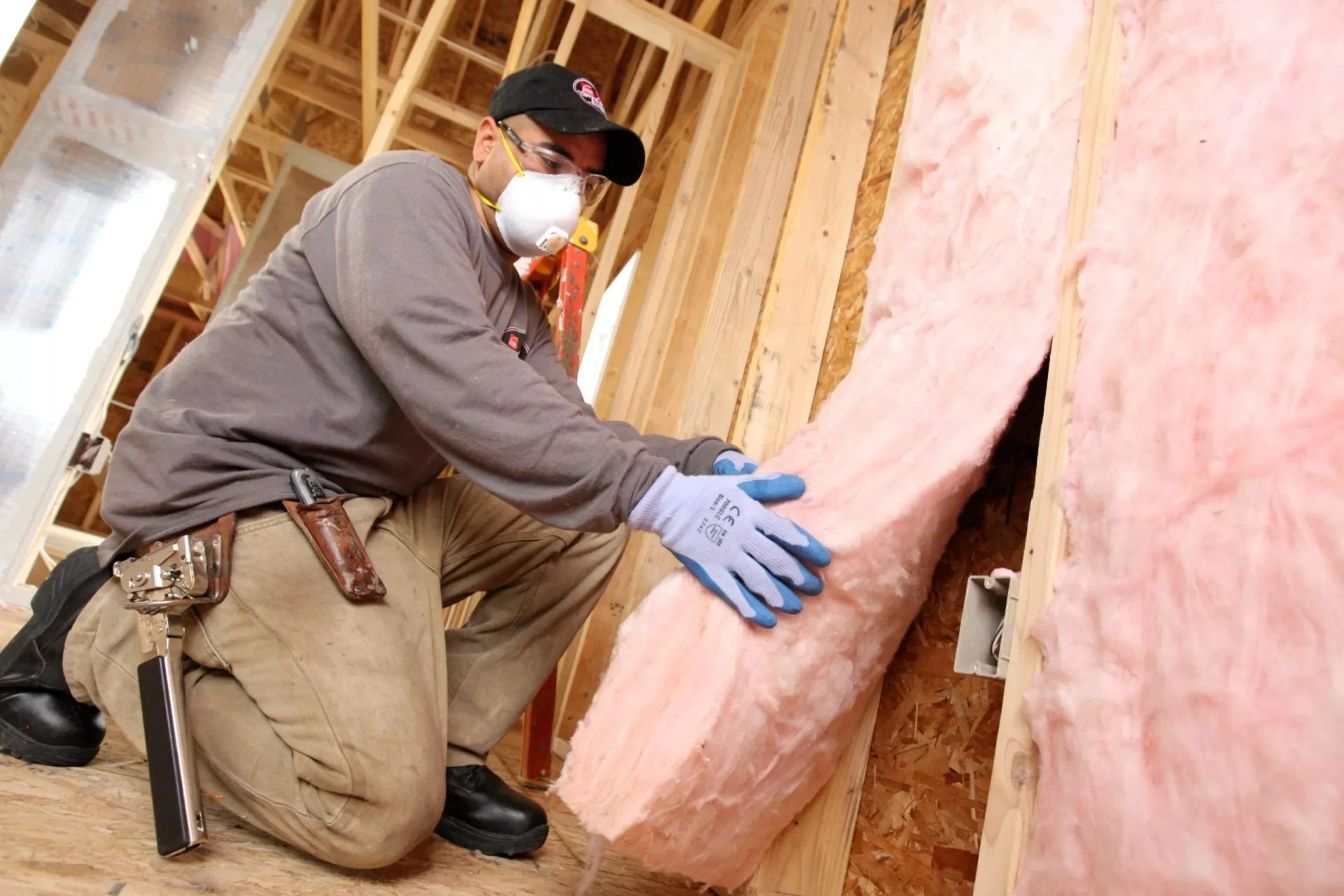

Professionals agree that insulation works best only after gaps and cracks are sealed. Gap sealing stops air movement first, allowing insulation to perform as designed and last longer.
Quick answers that matter most:
- Gap sealing prevents air leaks that insulation alone cannot stop
- It improves energy savings, comfort, and moisture control
- Sealing first protects insulation performance over time
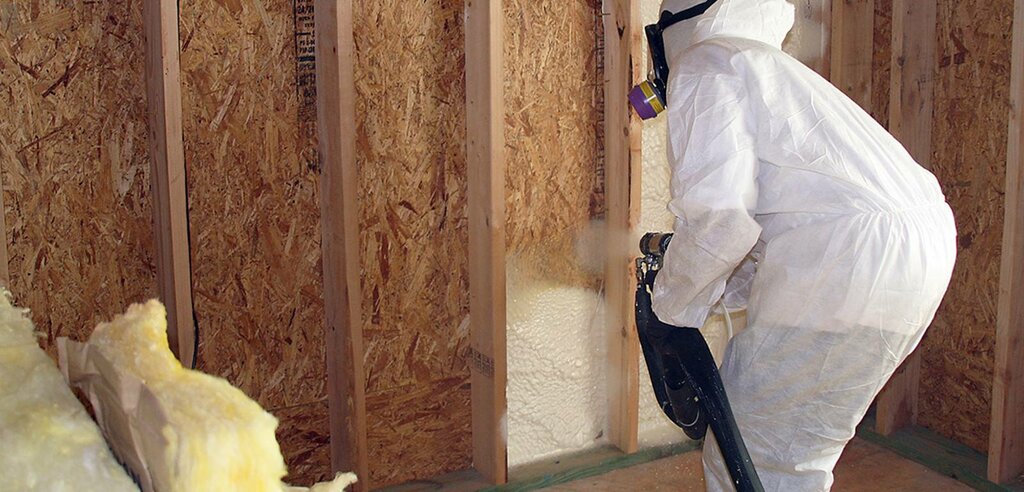
Why Gap Sealing Comes Before Insulation
Gap sealing is the foundation of a high-performing insulation system. Without it, even the best insulation materials lose effectiveness. Professionals prioritize sealing because it addresses airflow, which is the main driver of energy loss and comfort problems.
The U.S. Department of Energy explains that uncontrolled air leakage can account for a large portion of heating and cooling losses, making air sealing a critical first step before adding insulation.
How Air Leaks Undermine Insulation
Air moves through small cracks around framing, wiring, plumbing, and attic penetrations. When air flows freely, insulation cannot slow heat transfer effectively.
This leads to:
- Hot and cold spots in living spaces
- Higher HVAC runtimes
- Reduced insulation lifespan
Sealing gaps locks insulation in place and lets it do its job.
Does Gap Sealing Really Improve Energy Efficiency?
This is one of the most common questions homeowners and property managers ask. The short answer is yes, and the improvement is measurable.
According to guidance from ENERGY STAR, sealing air leaks before insulating helps buildings maintain consistent temperatures while reducing overall energy use.
Reason One: Lower Energy Loss at the Source
Gap sealing targets the root cause of wasted energy. Instead of relying on insulation to slow moving air, sealing blocks that movement entirely.
Key outcomes include:
- Reduced heating and cooling demand
- Better temperature control during peak seasons
- Lower monthly utility bills
Energy savings begin immediately and continue long-term.
How Gap Sealing Protects Against Moisture Problems
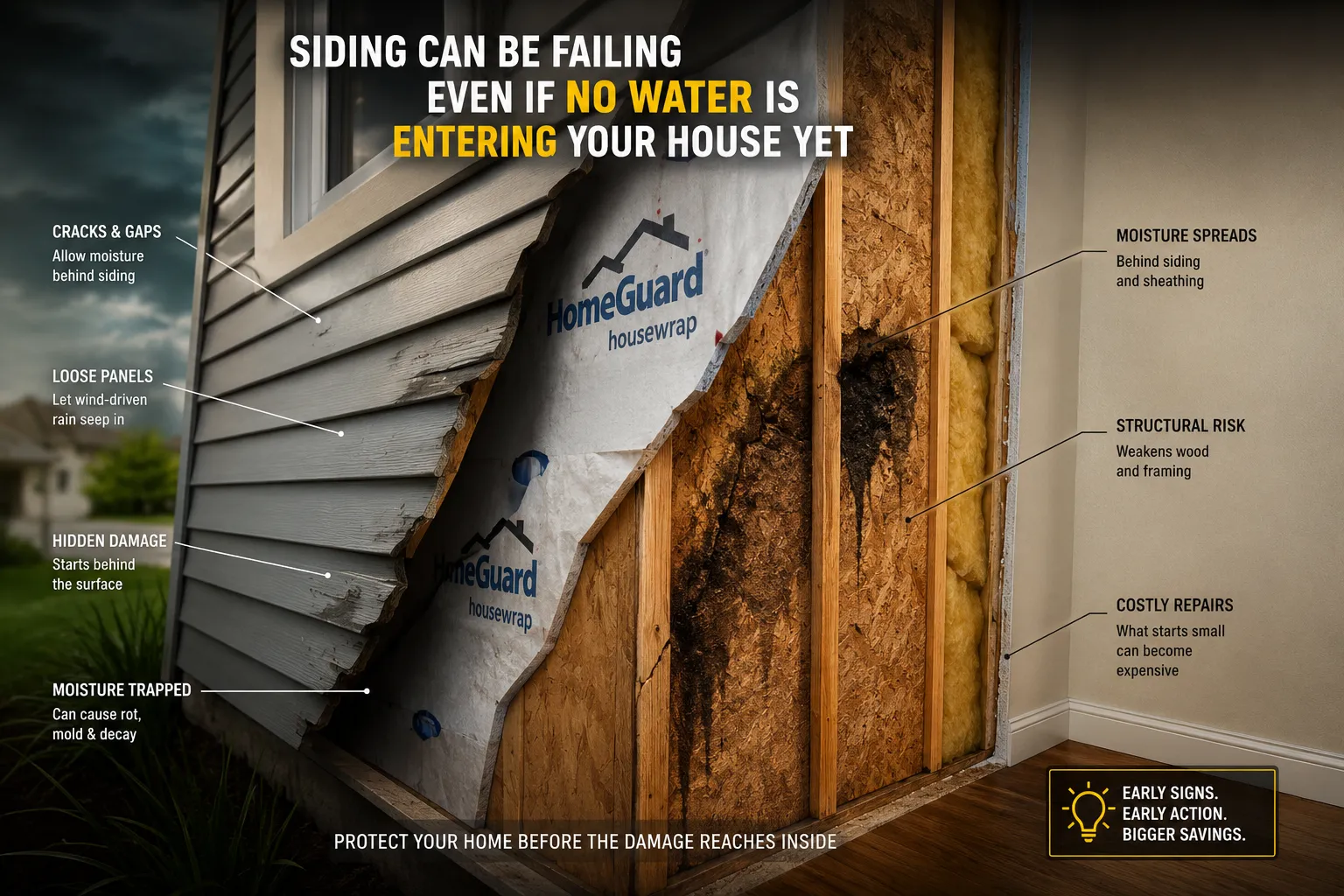
Air does not just carry heat. It also carries moisture. When moist air moves into wall or attic cavities, it can condense, causing damage.
Building science research from Building Science Corporation shows that air leakage is a primary way moisture enters building assemblies, making air sealing essential for moisture control.
Reason Two: Improved Moisture and Mold Control
Gap sealing reduces the pathways that allow humid air inside walls.
This helps prevent:
- Condensation on framing and sheathing
- Mold growth behind drywall
- Long-term structural decay
Insulation stays dry, stable, and effective when airflow is controlled.
Why Professionals Focus on Comfort and Durability
Comfort issues often trace back to air leaks, not insulation thickness. Sealing gaps improves how a building feels and how long materials last.
Reason Three: Better Comfort and Longer Insulation Life
When gaps are sealed first, insulation experiences less air movement and stress.
This results in:
- Fewer drafts near floors and ceilings
- More even room temperatures
- Insulation that does not shift or degrade early
Comfort improves quietly, without constant thermostat adjustments.
Gap Sealing vs Insulating Without Sealing
| Performance Factor | Gap Sealing First | Insulation Only |
|---|---|---|
| Air Leakage Control | High | Low |
| Energy Efficiency | Consistent | Variable |
| Moisture Protection | Strong | Weak |
| Long-Term Durability | Extended | Reduced |
This comparison explains why professionals never skip the sealing step.
Bonus Tips for Effective Gap Sealing
- Focus on attic penetrations and rim joists first
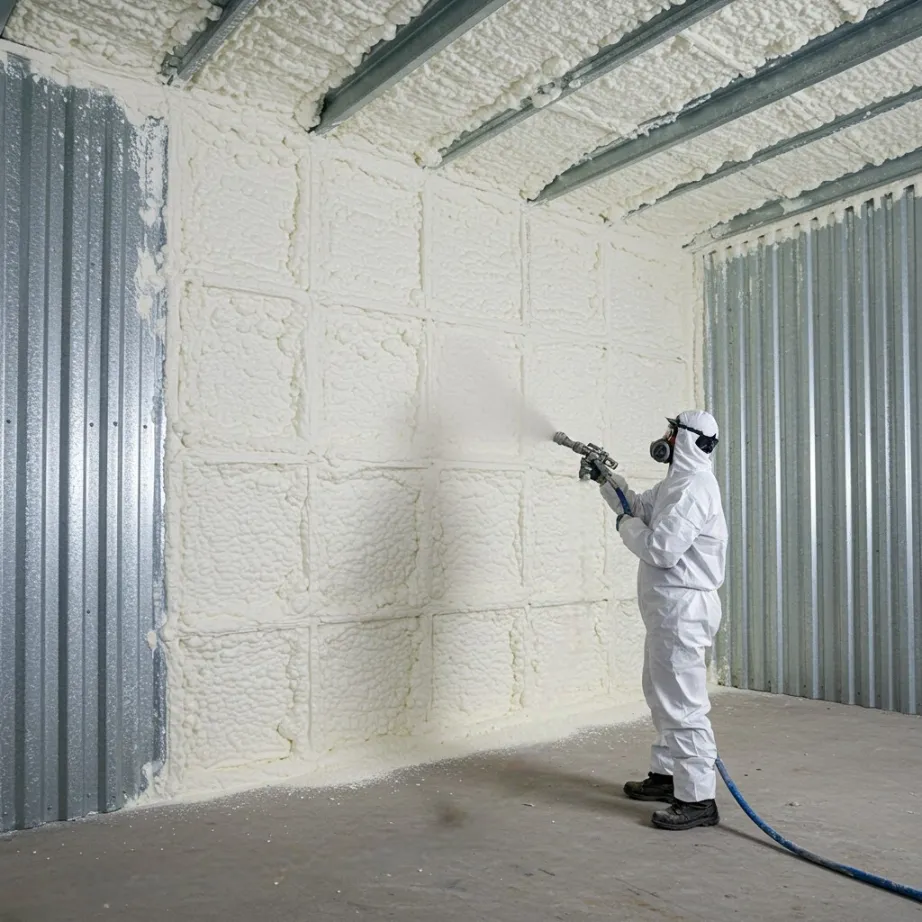
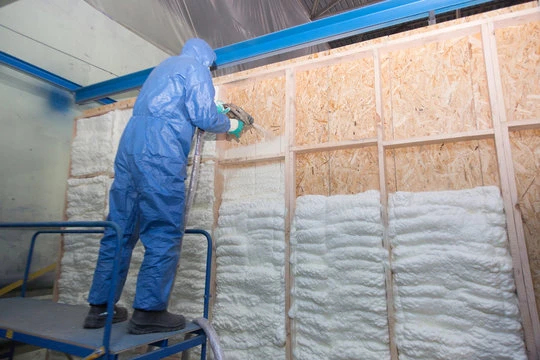
- Seal before installing spray foam or fiberglass
- Use professional-grade sealants for durability
Correct sequencing improves results without increasing material waste.
In residential retrofit projects, homes that received comprehensive gap sealing before insulation upgrades reported more stable indoor temperatures and fewer humidity complaints within the first year. These improvements occurred without increasing insulation thickness.

Conclusion
Professionals recommend gap sealing before insulation for three clear reasons: it stops energy loss, controls moisture, and improves comfort while protecting insulation performance. Skipping this step limits results and shortens the lifespan of the insulation system.
Work With Raleigh Excel Spray Foam Insulation
Raleigh Excel Spray Foam Insulation supports energy-efficient projects by sealing gaps properly before insulation installation. Their approach helps buildings perform better, last longer, and cost less to operate.
For expert guidance and professional service:
- Phone: (919) 301-9435
- Email: [email protected]
Frequently Asked Questions
What is gap sealing in insulation work?
Gap sealing closes cracks and openings that allow air to move through a building envelope.
Can insulation work without gap sealing?
It can, but performance drops because moving air reduces insulation effectiveness.
Is gap sealing only needed in older buildings?
No. New buildings also have gaps around framing, wiring, and plumbing.
Does spray foam replace gap sealing?
Spray foam often performs both functions, but targeted sealing is still important in some areas.
How long does gap sealing take?
Most residential projects can be completed in one day or less.
Author: Edith has extensive experience in residential and commercial property management and is dedicated to helping clients improve energy efficiency, comfort, and indoor air quality through advanced insulation solutions.
Reviewer: With nearly a decade in the spray foam insulation field, William Harris reviewed this post and provided guidance that reflects both technical understanding and real-world marketing experience.
Citations & References
- U.S. Department of Energy – Explains how air sealing reduces energy loss and improves insulation performance.
- ENERGY STAR – Details why sealing air leaks before insulating improves efficiency and comfort.
- Building Science Corporation – Building science research on air barriers, moisture movement, and durability.























Sign in to leave a comment.