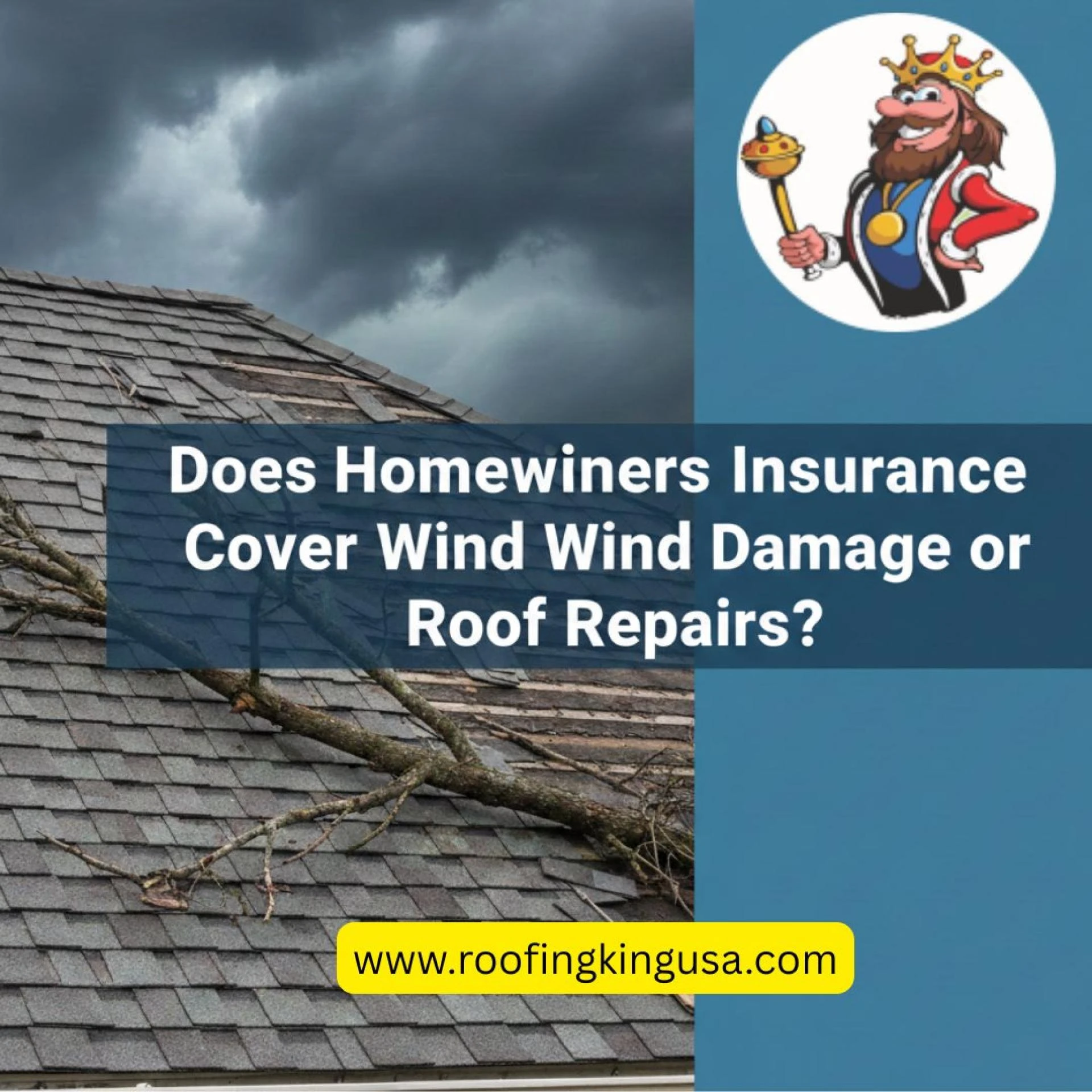

Strong winds can cause serious damage to your roof, often without obvious signs at first. Missing shingles, lifted flashing, or hidden leaks may appear days or weeks after a storm. One of the most common questions homeowners ask is whether insurance will actually cover wind damage or roof repairs.
This guide explains what’s typically covered, what’s not, and how to protect yourself financially after a windstorm.
Understanding Wind Damage to Roofs
Wind damage doesn’t always mean shingles scattered across your yard. It can be subtle but still severe.
Common wind-related roof issues include:
- Lifted or loosened shingles
- Creased shingles that weaken over time
- Exposed underlayment
- Damaged flashing around chimneys and vents
- Water intrusion caused by displaced roofing materials
Even moderate winds can compromise a roof’s integrity if materials are aging or poorly installed.
Does Homeowners Insurance Cover Wind Damage?
In most standard policies, wind damage is covered, but conditions apply.
Homeowners insurance generally covers:
- Sudden and accidental wind damage
- Shingle loss caused by high winds
- Roof leaks resulting directly from storm damage
- Structural damage from wind-blown debris
Coverage usually applies when the damage is unexpected and tied to a specific weather event.
When Roof Repairs Are Typically Covered
Insurance companies often approve roof repairs when:
- Damage occurred during a documented storm
- The roof was in reasonable condition before the event
- Repairs are necessary to restore function
- The damage was not caused by neglect or wear
This is where documentation becomes critical during a Storm damage insurance claim.
Situations Where Insurance May Deny Coverage
Not all roof issues qualify for coverage.
Common reasons claims are denied include:
- Old or deteriorated roofing materials
- Improper installation
- Lack of routine maintenance
- Pre-existing leaks
- Cosmetic damage only
Insurance does not act as a maintenance plan—it’s meant for sudden, storm-related damage.
Actual Cash Value vs Replacement Cost
Understanding your policy type is essential.
- Actual Cash Value (ACV):
- Pays depreciated value of the roof
- Older roofs receive lower payouts
- Replacement Cost Value (RCV):
- Covers full replacement after depreciation is recovered
- Higher premiums but better long-term protection
Your payout for wind damage depends heavily on which policy you have.
How to Strengthen Your Insurance Claim
Filing correctly improves approval chances and payout accuracy.
Recommended steps:
- Photograph damage immediately
- Save weather alerts or storm reports
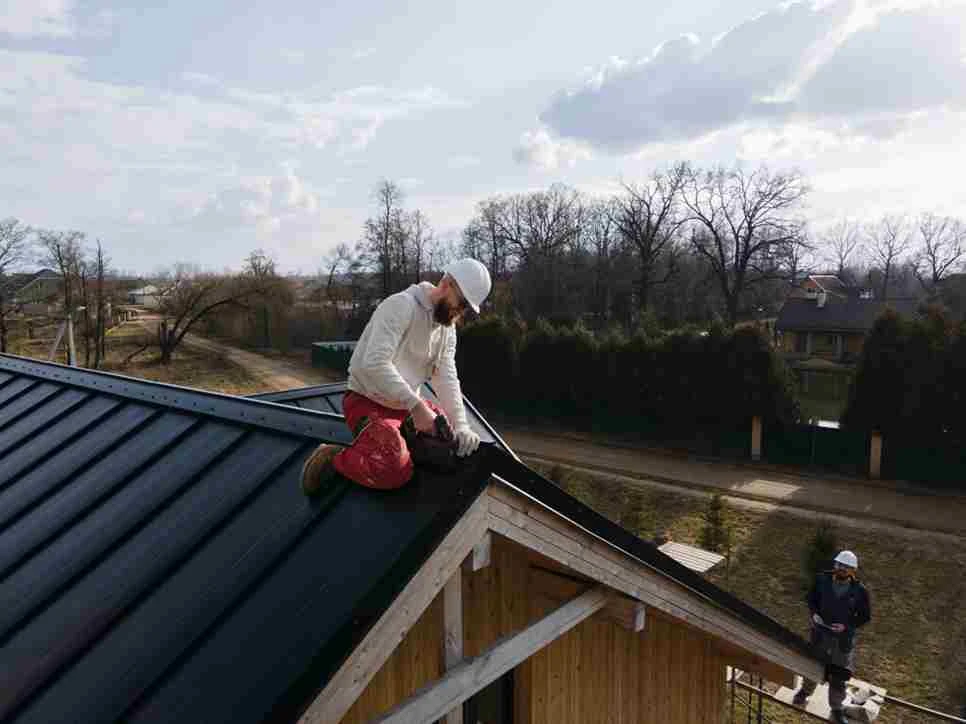
- Schedule a professional roof inspection
- Prevent further damage with temporary repairs
- Keep receipts for emergency fixes
A well-prepared Storm damage insurance claim leaves less room for disputes.
The Role of Roof Inspections After Windstorms
Insurance adjusters are trained to assess loss, not roofing systems.
A professional roof inspection can:
- Identify hidden or overlooked damage
- Provide written documentation
- Support disputed claim items
- Ensure the scope includes all affected areas
This extra layer of evaluation often makes a significant difference.
Can Insurance Cover Full Roof Replacement?
Full replacement may be approved when:
- Damage affects a large portion of the roof
- Repairs are not structurally viable
- Matching shingles are no longer available
- Local building codes require upgrades
In these cases, a Storm damage insurance claim may cover replacement rather than patchwork repairs.
Common Mistakes Homeowners Make
Avoid these errors to protect your coverage:
- Waiting too long to file a claim
- Making permanent repairs before inspection
- Failing to document damage
- Discarding damaged materials
- Accepting the first insurance estimate without review
Being proactive prevents costly out-of-pocket expenses.
Choosing the Right Roofing Partner
After approval, choosing a qualified contractor is just as important as filing the claim.
A trusted roofing professional will:
- Follow the insurance-approved scope
- Use code-compliant materials
- Handle supplements if needed
- Provide warranties on labor and materials
Homeowners rely on The Roofing King USA for professional guidance, accurate inspections, and reliable roof repair solutions after wind damage.
FAQs: Wind Damage & Roof Insurance
Does homeowners insurance cover wind damage to roofs?
Yes, most policies cover wind damage caused by storms, as long as the damage is sudden and not due to neglect.
How soon should I file a wind damage claim?
You should file as soon as possible—most policies require claims within a specific time window after the storm.
Will my insurance premium increase?
Wind damage claims are usually classified as weather-related and don’t always lead to premium increases, but this depends on your insurer.
Can insurance deny a claim due to roof age?
Yes, older roofs may receive reduced payouts or denials if damage is attributed to normal wear and tear.
Should I get a roof inspection before calling insurance?
A professional inspection strengthens your claim by identifying damage an adjuster may overlook.
Final Thoughts
Homeowners insurance often covers wind damage and roof repairs—but only when handled correctly. Knowing your policy, documenting damage, and acting quickly are key to avoiding denied or underpaid claims.
If your roof has been exposed to high winds, don’t assume everything is fine. Early action protects both your home and your finances.























Sign in to leave a comment.