

The digital age has brought incredible convenience, but with it, a dark side – phishing attacks. In a world where a single click can spell disaster, understanding the ins and outs of phishing is crucial for individuals and businesses alike. Phishing attacks have evolved from crude and obvious tactics to sophisticated, targeted campaigns. In this post, we'll explore what phishing actually is, why it's still so successful, the most common types of phishing attacks, and most crucially, how you can protect yourself.
What Exactly Is Phishing?
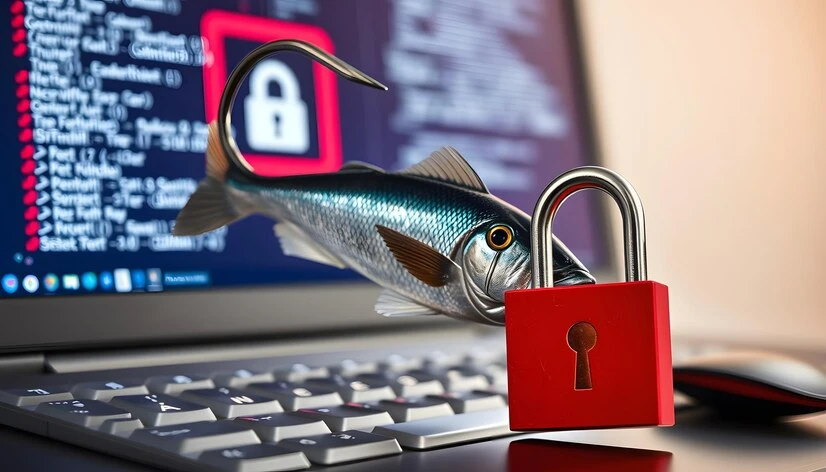
The term 'phishing' is a play on 'fishing' – just as a fisherman uses bait to catch fish, phishers use various tricks to lure individuals into giving away their personal and financial information. Phishing can occur through fraudulent emails, social media messages, phone calls, and even fake web pages. The ultimate goal is to trick you into handing over sensitive data that can be used for identity theft, financial fraud, or unauthorized access to your systems.
However, it's not just about stealing your credit card numbers or login credentials. Phishing schemes often aim to exploit human psychology and play on our natural instincts. They create a sense of urgency, fear, or curiosity, compelling us to act quickly without thinking critically.
Why Is Phishing Still Successful?
The success of phishing attacks comes down to a few simple yet effective principles. First and foremost, they prey on human error and manipulation. No matter how sophisticated security measures become, humans are often the weakest link in the chain. Phishers exploit this by crafting messages that mimic those from a trustworthy source.
Another reason for their success is diversity. Phishing attacks are not one-size-fits-all. They're highly adaptable, with attackers constantly shifting tactics to stay one step ahead of defensive measures. From CEO fraud to IRS impersonations, the variety keeps potential victims on their toes.
Finally, there's the professional appearance of phishing attempts. They often come complete with logos, graphics, and a vocabulary designed to mimic official communications. This level of detail is often enough to convince unsuspecting individuals to act without thinking.
4 Sneaky Ways Phishing Attacks Happen
Phishing isn't just a risk in your email inbox. Phishing attacks can come from all directions – and they're getting more creative. Here are the four most common channels phishers are using to lure you into their nets:
Email phishing, or 'spear-phishing' when targeted, remains one of the most common methods. Attackers can make their emails appear to come from a legitimate source like your bank, employer, or a recognized brand. These emails often include links to fake websites or attachments that contain malware.
- SMS
With the rise of mobile devices, text message phishing – or 'smishing' – is becoming increasingly prevalent. Messages often contain a link to a fraudulent website where you're prompted to enter personal information.
- Social Media
Phishing via social media – or 'pharming' – involves setting up fake login pages to steal your credentials. The pages can be part of scam profiles or even a genuine-looking, but fake, customer support account.
- Voice
'Vishing,' or voice phishing, uses phone calls to deceive individuals into giving out personal information. These attacks can be particularly convincing, especially when the caller ID is spoofed to appear legitimate.
The key to staying safe is to treat all unsolicited communications with skepticism. Even if an email or message looks real, take a moment to verify its authenticity. Genuine organizations will never ask for your personal details out of the blue.
How to Spot a Phishing Attempt: Red Flags to Watch Out For
Spotting a phishing email or message isn't always easy, but there are red flags you can watch out for. Here's what to look for:
- Generic Greetings
Phishing emails often start with a generic salutation like 'Dear customer.' Legitimate organizations usually address you by name.
- Urgency
A common tactic is to create a sense of urgency. Phishing messages may warn of account closures, fines, or other dire consequences if you don't act immediately.
- Hyperlinks
Hover over links in emails and messages to see the actual URL. If it looks suspicious or doesn't match what you'd expect from the sender, don't click.
- Spelling and Grammar
Typos and awkward phrasings can be a dead giveaway. Legitimate companies double-check their communications to maintain professionalism.
- Requests for Personal Information
Be wary of any request for sensitive information. Think twice before entering details on unfamiliar websites or providing them to unknown callers.
The First Step to Avoid Phishing: Building Awareness
The most straightforward defense against phishing is awareness. Education is key for everyone who uses the internet, from seasoned IT professionals to the average online shopper. Organizations should conduct regular phishing awareness training to keep employees informed about the latest tactics and how to respond.
From a personal standpoint, staying informed about common phishing attempts and regularly assessing the cybersecurity landscape is critical. The more you know, the less likely you are to fall for a phishing scam. Additionally, staying abreast of security best practices, such as using multi-factor authentication and keeping software updated, will add layers of protection against increasingly sophisticated phishing methods.
Protection is an ongoing effort. By taking steps to be informed, cautious, and proactive, you can significantly reduce your risk of falling victim to phishing attacks. Remember, the best defense is a vigilant mind and a healthy dose of skepticism.



























Sign in to leave a comment.