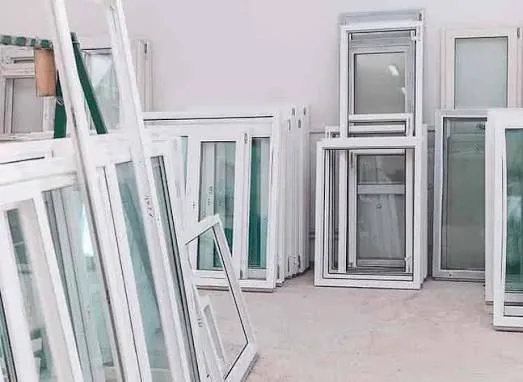

Double Glass: summer heat, winter drafts, and foggy windows can make homes and commercial buildings uncomfortable. Double Glass offers a practical upgrade by placing two panes in one sealed unit. The space between them slows heat movement, reduces part of the outside noise, and helps rooms maintain a steadier temperature.
For homes and commercial properties, the value goes beyond comfort. Better glazing can support lower energy demand, stronger security, and improved property appeal. This guide covers types, benefits, pricing, installation, maintenance, and buying checks.
What Is Double Glass?
Double Glass consists of two separate panes fitted within one window or door system. A spacer bar keeps the panes apart, and edge seals create a dry cavity filled with air or an insulating gas.
A typical unit includes two panes, a sealed gap, spacer bars, drying material, edge sealants, a frame, gaskets, and hardware. Frames may be aluminium, uPVC, timber, or composite.
The product is also called double glazing, double-pane glass, double glazed glass, or an insulated glass unit. Its performance depends on pane thickness, cavity width, coatings, gas filling, spacer design, frame quality, seals, and fitting.
Where recognised ratings are available, compare U-factor, solar heat gain, visible light transmission, air leakage, and condensation resistance rather than relying on general sales claims. ks
The sealed space between the panes slows heat transfer. During hot weather, it reduces how quickly outdoor heat reaches the room. During cold weather, it slows the escape of indoor warmth.
Argon or krypton may replace ordinary air because these gases reduce heat transfer more effectively. A low-emissivity, or Low-E, coating can improve performance further by reflecting long-wave heat while allowing useful daylight through. trol, the first pane receives vibration, the cavity weakens it, and the second pane blocks more energy. Unequal pane thicknesses, wider cavities, laminated glass, and tight seals can improve performance.
Standard Clear Glazing
This is the basic, affordable choice. It improves insulation while keeping views bright and clear.
Low-E Glazing
Low-E glass has a very thin coating that controls heat transfer. This energy-efficient glass is useful for large windows and rooms exposed to strong sun or cold weather.
In 2026, Low-E insulated glazing remains a key specification trend as owners focus more closely on comfort and operating costs. Glazing
Laminated glass contains a bonded interlayer that helps hold broken pieces together. It can improve safety, security, ultraviolet control, and noise reduction.
It suits shopfronts, street-facing rooms, schools, meeting spaces, and lower-level windows.
Toughened Glazing
Toughened glass is heat-treated for greater strength. If broken, it normally forms smaller pieces instead of large, sharp shards.
It is commonly used in doors, entrances, large panels, balcony openings, and other safety-sensitive areas.
Tinted and Reflective Glazing
Tinted panes reduce glare and some solar heat. Reflective coatings add solar control and daytime privacy.
Buyers should still check daylight levels, internal reflection, exterior appearance, and any local façade requirements before making a final choice.
Acoustic Glazing
Acoustic units may use unequal pane thicknesses, laminated glass, a wider cavity, or a tested frame-and-seal system.
They can outperform basic soundproof glass windows, but no ordinary glazing should be sold as completely soundproof.
Major Benefits
Better Thermal Insulation
Double Glass limits unwanted heat transfer and keeps the inner pane closer to room temperature. This can reduce hot or cold areas beside windows.
Windows can account for a large share of winter heat loss despite covering a smaller part of a building’s exterior. rgy Demand
Improved insulation may reduce the workload placed on air conditioners and heating systems.
Actual savings still depend on climate, building orientation, total window area, external shading, air leakage, product ratings, and how the property is used. Be cautious when a supplier promises one fixed percentage of energy savings for every building.
Noise Reduction
Double Glass can make rooms calmer near busy roads, airports, schools, construction sites, shopping districts, and industrial locations.
Strong acoustic results require the correct glass build-up, tight seals, quality frames, and professional installation. The surrounding wall and ventilation openings can also affect how much noise enters the room.
Improved Indoor Comfort
Warmer internal surfaces and reduced air leakage can make rooms feel more even, especially where people sit or work close to windows.
This can be particularly useful in bedrooms, hotel rooms, restaurants, offices, customer waiting areas, and meeting rooms.
Reduced Condensation
The room-side pane usually stays warmer than single glass, which can reduce condensation under suitable conditions.
It will not cure moisture caused by poor ventilation, water leaks, or very high indoor humidity. Moisture trapped between the panes usually indicates edge-seal failure. Security
Two panes create a harder barrier than one, especially when laminated or toughened glass is used.
However, security also depends on frame reinforcement, locking points, hinges, handles, anchors, and the quality of the installation.
Better Appearance and UV Control
Modern double glass windows can improve façade appearance and property appeal.
Laminated and coated products may also reduce ultraviolet exposure that fades curtains, furniture, flooring, artwork, and retail displays. Ask the supplier for verified UV-transmission data when protecting valuable items is a priority.
Double Glass vs Single Glass
| Feature | Single glass | Double glazing |
| Number of panes | One | Two |
| Thermal insulation | Low | Higher |
| Noise control | Limited | Better |
| Initial cost | Lower | Higher |
| Condensation control | Limited | Better |
| Security | Basic | Stronger |
| Long-term efficiency | Lower | Higher |
Single glass may still suit sheds, internal partitions, temporary structures, or projects with very limited budgets.
For occupied homes, offices, hotels, restaurants, schools, and retail buildings, Double Glass is normally the stronger long-term option.
Common Applications
Double glazed windows and doors suit bedrooms, living rooms, balconies, villas, offices, shopfronts, hotels, restaurants, hospitals, schools, shopping centres, meeting rooms, and curtain-wall systems.
The correct specification depends on opening size, wind exposure, safety risks, noise levels, sun direction, privacy requirements, frame design, and local regulations.
Large panels, entrance doors, and full-height glazing may require structural checks, thicker panes, safety glass, or specialised support.
How Much Does It Cost?
There is no universal Double Glass price. Total cost depends on dimensions, pane thickness, glass type, cavity width, air or gas filling, frame material, hardware, coating, tint, shape, site access, delivery, removal work, labour, finishing, taxes, and warranty.
Request an itemised quotation showing:
The complete glass build-up
Individual pane thicknesses
Cavity width and gas type
Frame system and reinforcement
Locks, hinges, rollers, and handles
Removal and disposal work
Installation, sealants, and finishing
Delivery, taxes, and warranty terms
When comparing Double Glass cost, do not select a supplier only because it offers the lowest total. Weak spacers, poor hardware, thin frames, or careless sealing can lead to early failure and disappointing performance.
Installation Process
A careful double glass installation protects thermal, acoustic, and weather performance.
1. Site Inspection
The contractor examines the opening, access conditions, existing frame, drainage, weather exposure, and structural requirements.
This is also the right time to discuss noise, security, privacy, and heat-control priorities.
2. Accurate Measurement
The installer measures the width, height, depth, diagonals, and squareness of every opening.
Even small measuring errors can create alignment problems, air leakage, water entry, or difficult opening and closing.
3. Product Selection
The customer confirms the glass type, pane thicknesses, cavity, frame material, colour, opening style, hardware, coating, and safety requirements.
The approved specification should be written clearly before manufacturing begins.
4. Manufacturing
The insulated unit and frame are produced according to the approved dimensions.
The cavity must remain dry and properly sealed. Spacer placement, glass cleanliness, sealant compatibility, and edge quality all matter.
5. Removal and Frame Fitting
Old units are removed where required. The new frame is positioned, levelled, fixed, and checked for proper drainage.
Any gaps around the frame should be sealed with materials suitable for the wall, frame, and local weather conditions.
6. Glazing and Sealing
The unit is installed with suitable setting blocks, gaskets, beads, and sealants.
Poor glazing practice can damage edge seals and shorten the service life of an insulated unit. Testing
The installer checks alignment, drainage, hardware, seals, opening action, and finishing.
The customer should inspect scratches, glass defects, silicone lines, lock operation, frame movement, and water drainage before approving the completed work.
How to Choose the Right Glazing
Begin with the main problem. Is your priority heat, noise, security, glare, privacy, or a combination?
Use this buying checklist:
Ask for the full glass build-up, not a vague product name.
Choose Low-E glass for stronger thermal performance.
Consider laminated glass for noise and security.
Confirm the cavity width.
Check whether the cavity contains air or insulating gas.
Inspect frame reinforcement, drainage, and corner quality.
Review spacers, seals, locks, hinges, handles, and rollers.
Request tested performance values where available.
Confirm compliance with relevant safety standards.
Compare itemised quotations and written warranties.
Review previous projects and installation experience.
High-quality glass can still perform poorly in a weak, leaking, or badly fitted frame.
From our experience with glazing projects, careful measurement, frame preparation, drainage, and perimeter sealing often make the difference between a system that remains solid and one that develops drafts, water marks, or hardware problems.
Common Double-Glazing Mistakes to Avoid
Do not choose glass only by price, ignore frame quality, use ordinary glass in safety-critical areas, or select two equal thin panes for a serious noise problem.
Other costly mistakes include:
Accepting vague product specifications
Failing to check frame drainage
Hiring inexperienced installers
Ignoring room ventilation
Using unsuitable sealants
Assuming every two-pane unit performs the same
Paying the full balance before inspecting the work
A basic clear unit and a laminated, Low-E, gas-filled acoustic unit may look similar, but their safety, thermal, and sound performance can be very different.
Maintenance and Cleaning Tips
Clean Double Glass with a soft cloth, clean water, and a non-abrasive cleaning product. Avoid metal scrapers, rough pads, and harsh chemicals.
Keep drainage holes clear, inspect silicone and gaskets, and lubricate moving hardware only with approved products. Never drill into the sealed glazing unit.
Fogging inside the cavity normally means the edge seal has failed. Hardware may be repairable, but a cracked or internally misted unit usually requires replacement.
Frequently Asked Questions
Is it completely soundproof?
No. It reduces noise but cannot block every sound. Pane thickness, cavity width, laminated layers, frame seals, wall construction, ventilation openings, and installation quality all affect the result.
Is it worth the cost?
It can be worthwhile where heat, cold, noise, condensation, security, or heavy heating and cooling use affects comfort. The value depends on choosing the correct specification for the property.
Can it be fitted in existing frames?
Sometimes. The existing frame must be deep enough, strong, square, dry, and in good condition. A qualified installer should inspect it before confirming whether reuse is practical.
How long does it last?
Service life varies with manufacturing quality, climate, seal design, drainage, exposure, maintenance, and fitting. Written product and installation warranties are more useful than broad lifespan claims.
Can a broken unit be repaired?
Locks, handles, hinges, rollers, and some perimeter seals may be repaired. A cracked pane or moisture trapped between the panes normally requires replacement of the complete sealed unit.
Final Buying Advice
Double Glass can improve insulation, noise control, security, energy efficiency, and daily comfort in residential and commercial buildings.
The best result comes from matching the panes, cavity, coating, frame, hardware, and installation method to the actual site conditions.
Before ordering, request a clear specification, compare itemised quotes, inspect completed projects, and obtain written warranty terms.
Contact an experienced glazing contractor for a professional site survey. Ask for options based on heat, noise, safety, privacy, and budget—not price alone.

























Sign in to leave a comment.