
Selecting the perfect gym can be the difference between achieving your fitness aspirations and abandoning your workout routine within the first month. With over 40% of people citing weight loss and muscle gain as their primary fitness objectives, finding a facility that aligns with your specific goals, lifestyle, and budget is essential for long-term success. Whether you're a complete beginner or a seasoned fitness enthusiast, this comprehensive guide will help you navigate the crucial factors to consider when choosing your ideal fitness center.
Define Your Fitness Goals Before Gym Shopping
Before evaluating any gym membership, clearly identify your fitness objectives using the SMART framework: Specific, Measurable, Achievable, Relevant, and Time-bound. Are you focused on building muscle mass, improving cardiovascular endurance, losing weight, or enhancing flexibility? Perhaps you're training for a specific event like a marathon or seeking functional strength for daily activities.
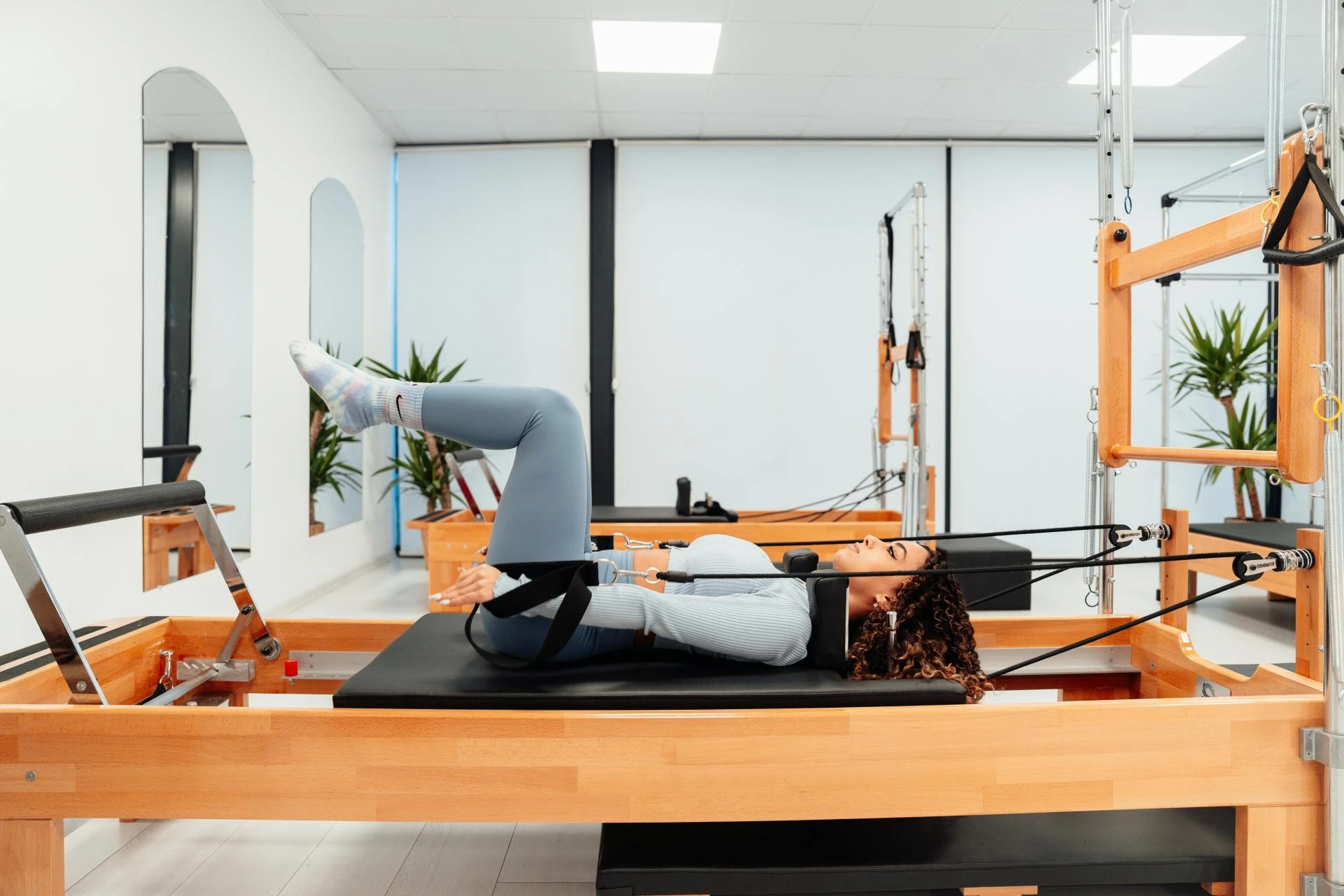
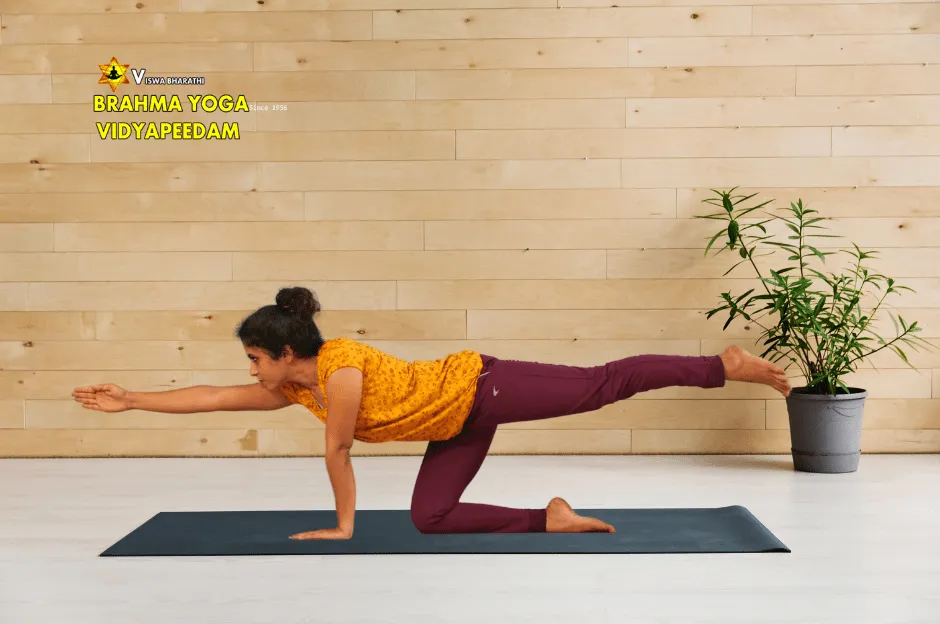
Different fitness goals require different gym environments and equipment. Bodybuilders need facilities with extensive free weight sections, multiple squat racks, and specialized strength training equipment. Cardio enthusiasts should prioritize gyms offering diverse cardio machines including treadmills, ellipticals, rowing machines, and stationary bikes. Those interested in group fitness classes should seek facilities with varied class schedules featuring yoga, Pilates, spinning, HIIT, and dance-based workouts. Understanding your primary objectives helps narrow down gyms that specialize in supporting those specific fitness aspirations.
Location and Accessibility: The Convenience Factor
The gym's location significantly impacts your consistency and commitment to regular workouts. Research consistently shows that proximity to your home or workplace dramatically increases the likelihood of maintaining a consistent exercise routine. Ideally, choose a facility within 15-20 minutes of your daily travel routes—whether that's near your residence, office, or along your commute path.
Consider the gym's operating hours relative to your schedule. If you prefer early morning workouts before work, ensure the facility opens at 5:00 AM or offers 24-hour access. Night owls should verify late closing times. Additionally, evaluate parking availability, public transportation access, and whether the location feels safe during your preferred workout times. Some national gym chains offer multiple locations, allowing you to split time between facilities near work and home for maximum flexibility.
Equipment Quality and Variety
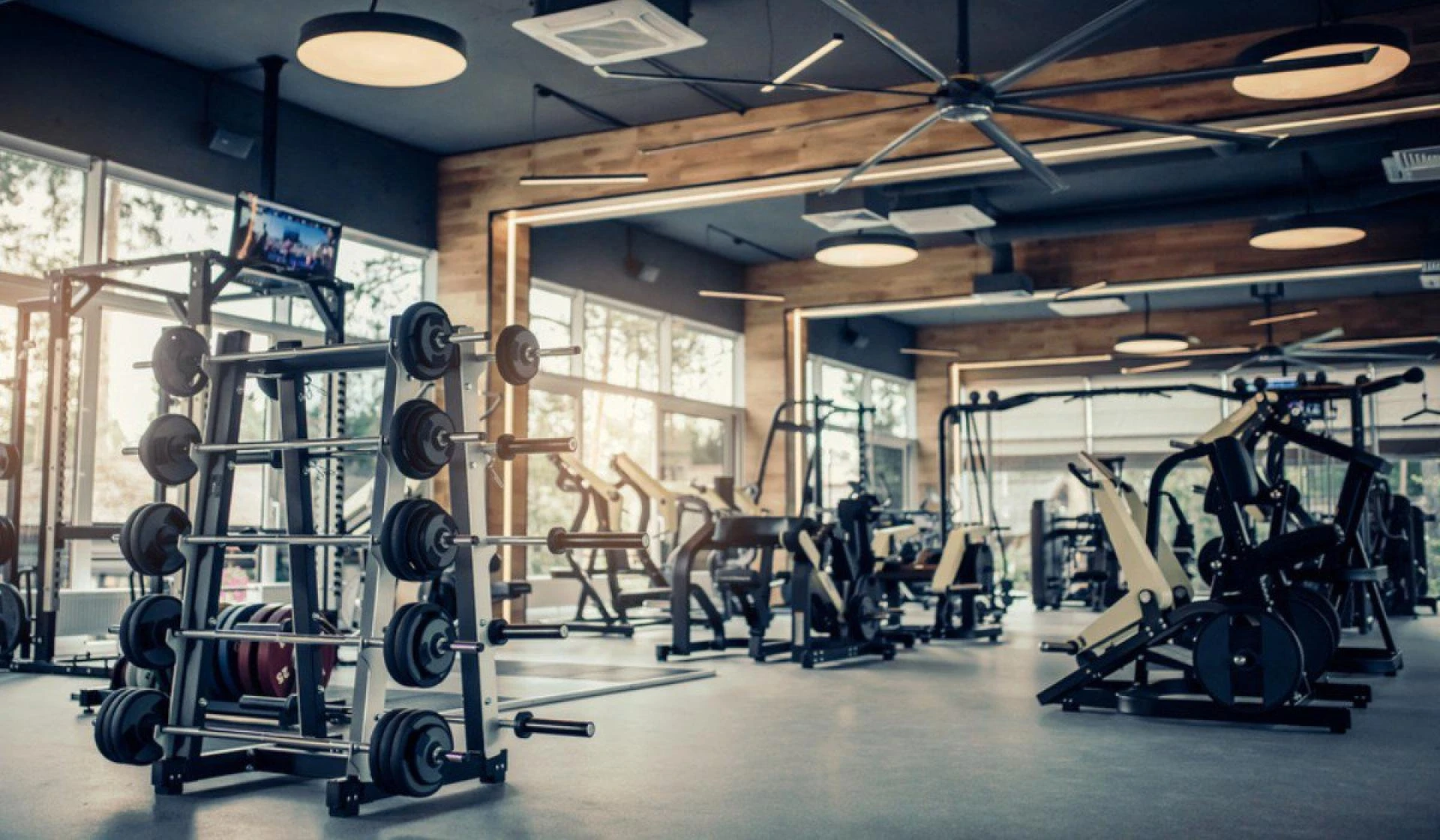
The foundation of any excellent gym lies in its equipment selection and maintenance standards. During your facility tour, assess the breadth and condition of available machines and tools. Look for a comprehensive range of cardio equipment with modern features like heart rate monitoring and entertainment screens. The strength training area should include well-maintained resistance machines, adequate free weights (dumbbells, barbells, kettlebells), multiple power racks, and functional training equipment like TRX straps, medicine balls, and resistance bands.
Pay attention to equipment spacing—there should be 2-3 feet between machines to prevent overcrowding and ensure safe movement. Observe wait times during peak hours; excessive queuing for equipment indicates insufficient capacity. Additionally, check for regular maintenance and cleaning protocols. Quality gyms conduct routine equipment inspections and have staff members consistently wiping down machines and maintaining cleanliness throughout the facility.
Qualified Staff and Personal Training Services
The expertise and attitude of gym staff profoundly influence your fitness journey. Qualified personal trainers should hold recognized certifications from organizations like NASM, ACE, or ACSM, demonstrating their knowledge of exercise science, program design, and injury prevention. Beyond credentials, evaluate their communication style, motivational approach, and willingness to customize workouts based on individual needs and limitations.
Many gyms offer complimentary initial training sessions or fitness assessments—take advantage of these opportunities to gauge trainer competence and compatibility. Observe how staff members interact with existing members. Are they approachable, attentive, and proactive in offering assistance? Do they actively monitor the gym floor ensuring proper form and safety? Exceptional customer service, including responsive front desk personnel and supportive fitness coaches, creates a welcoming environment that encourages consistent attendance.
Membership Costs and Contract Terms
Understanding the complete financial commitment prevents unexpected expenses and buyer's remorse. Gym membership pricing varies widely based on location, amenities, and service levels. Most facilities offer tiered membership options: basic access to standard equipment, mid-tier plans including group classes, and premium memberships providing additional perks like guest privileges, towel service, and unlimited personal training sessions.
Request detailed information about initiation fees, monthly dues, annual contracts versus month-to-month flexibility, cancellation policies, and any hidden charges for amenities or services. Some gyms require long-term commitments while others offer flexible arrangements. Additionally, inquire about promotional discounts for corporate partnerships, student rates, military personnel, or family plans. Compare value rather than solely focusing on price—a slightly higher membership cost may be justified by superior equipment, expert trainers, convenient location, and comprehensive amenities.
Additional Amenities and Facilities
Modern fitness centers extend beyond workout equipment, offering amenities that enhance the overall gym experience. Clean, well-maintained locker rooms with secure storage, private showers, and grooming facilities are fundamental requirements. Additional features might include sauna or steam rooms for post-workout recovery, swimming pools for low-impact cardio, childcare services enabling parents to exercise worry-free, and nutrition counseling supporting holistic health goals.
Group fitness studios should be spacious, climate-controlled, and equipped with appropriate flooring and sound systems. Consider whether the gym provides towels, water stations, and protein shake bars. Some premium facilities offer spa services, massage therapy, and recovery zones with foam rollers and stretching areas—valuable additions for serious athletes prioritizing injury prevention and performance optimization.
Community and Atmosphere
The gym's culture and atmosphere significantly affect motivation and long-term adherence. Visit potential facilities during your intended workout times to observe the crowd demographics, energy levels, and overall vibe. Some people thrive in high-energy environments with motivational music and competitive atmospheres, while others prefer quieter, judgment-free spaces focused on individual progress.
Assess whether the gym fosters an inclusive, supportive community or feels intimidating and cliquish. Group classes and social events can provide accountability partners and friendship networks, making workouts more enjoyable and sustainable. Read online reviews and testimonials focusing on member experiences regarding cleanliness, staff responsiveness, equipment maintenance, and overall satisfaction.
Conclusion
Choosing the right gym requires thoughtful evaluation of your fitness goals, lifestyle constraints, and personal preferences. By prioritizing location convenience, equipment quality, qualified staff, transparent pricing, valuable amenities, and positive atmosphere, you'll discover a fitness facility that supports your journey toward improved health and wellness. Remember, the best gym isn't necessarily the most expensive or largest—it's the one you'll consistently visit, where you feel comfortable, motivated, and empowered to achieve your fitness objectives.





























Sign in to leave a comment.