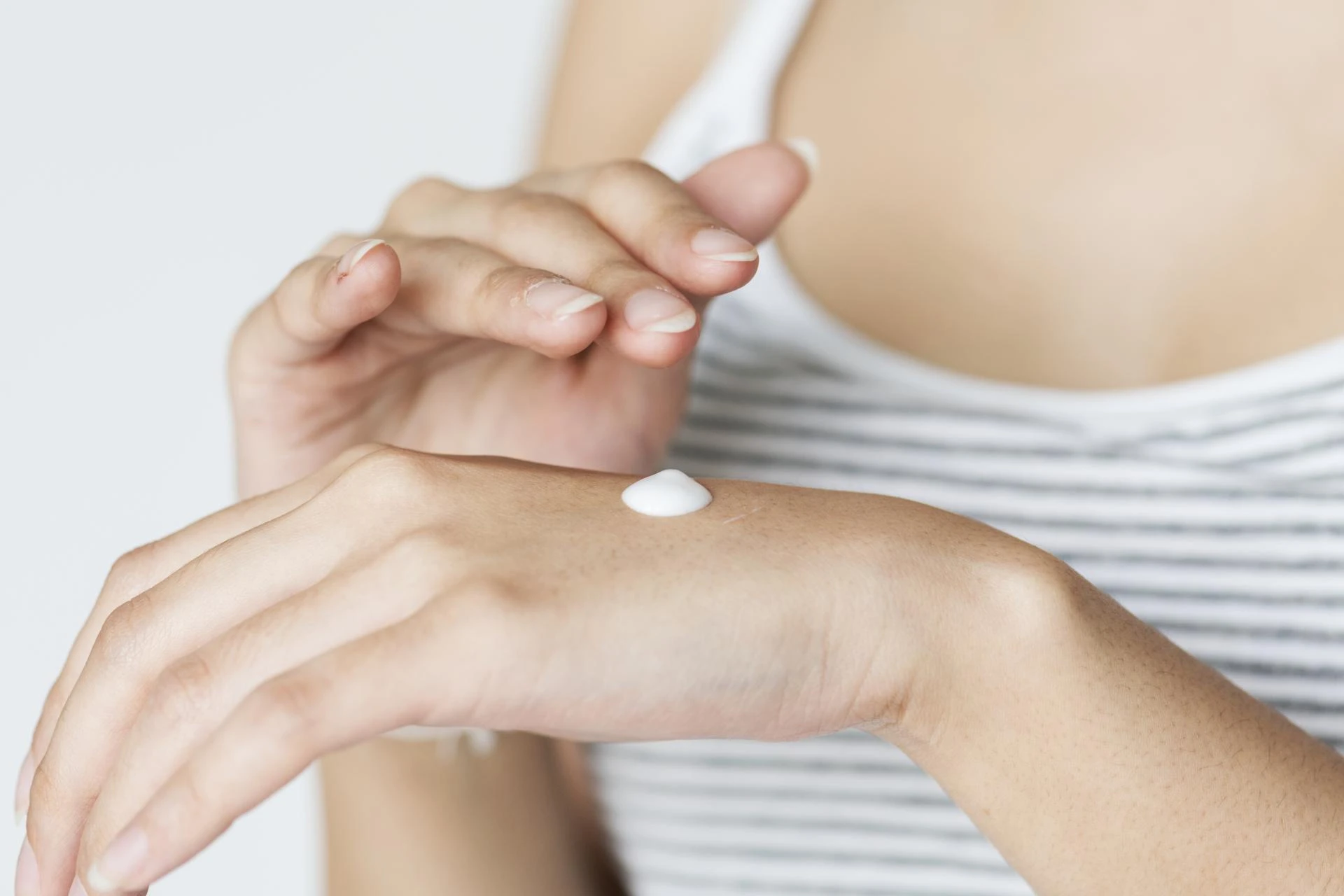

Moisturizing lotions and hydrating creams play a key role in repairing the skin barrier, the outermost layer that keeps moisture in and harmful elements out. This barrier, called the stratum corneum, relies on lipids like ceramides, fatty acids, and cholesterol, plus natural moisturizing factors such as amino acids and urea. When damaged by dry air, harsh soaps, or weather, it leads to rough, flaky skin. These products restore balance by replenishing what’s lost, improving texture and protection.
Understanding Skin Barrier Damage
The skin barrier acts like a wall made of bricks (skin cells) and mortar (lipids). Cracks form from hot showers, low humidity, or over-exfoliating, letting water escape and irritants enter. Signs include redness, tightness, itching, or dullness that no amount of water fixes. Chronic dehydration affects up to 75% of people, worsening these issues. Without repair, it can lead to sensitivity or breakouts. Hydrating creams target this by mimicking the skin’s natural structure.
How Humectants Pull in Moisture
Humectants are water magnets in moisturizing lotion for face and creams. They draw moisture from the air or deeper skin layers to the surface. Hyaluronic acid holds 1,000 times its weight in water, while glycerin and aloe vera soothe as they hydrate. For a lotion for face, these keep daily moisture light and non-greasy, ideal for normal or combo skin. They boost natural moisturizing factors, helping the barrier hold water longer. Use them morning and night for quick plumpness.
Emollients Fill the Gaps
Emollients soften by filling spaces between skin cells, much like putty in cracks. Ceramides, squalane, shea butter, and jojoba oil rebuild lipid levels, reducing flakiness. In a moisturizing lotion for face, they smooth without heaviness, perfect for daytime wear under makeup. These plant-based oils match skin’s own sebum, calming inflammation. Regular use strengthens the barrier over time, preventing future damage from pollution or wind.
Occlusives Seal It All In
Occlusives create a protective film to lock moisture inside. Petroleum jelly, beeswax, and silicones work best on very dry areas, blocking evaporation. Thicker moisturizing cream for dry skin uses more occlusives for overnight repair, especially in winter. They shield against harsh environments, letting humectants and emollients do their job. Lightweight versions in lotions suit faces needing breathability.
Best Formulas for Repair
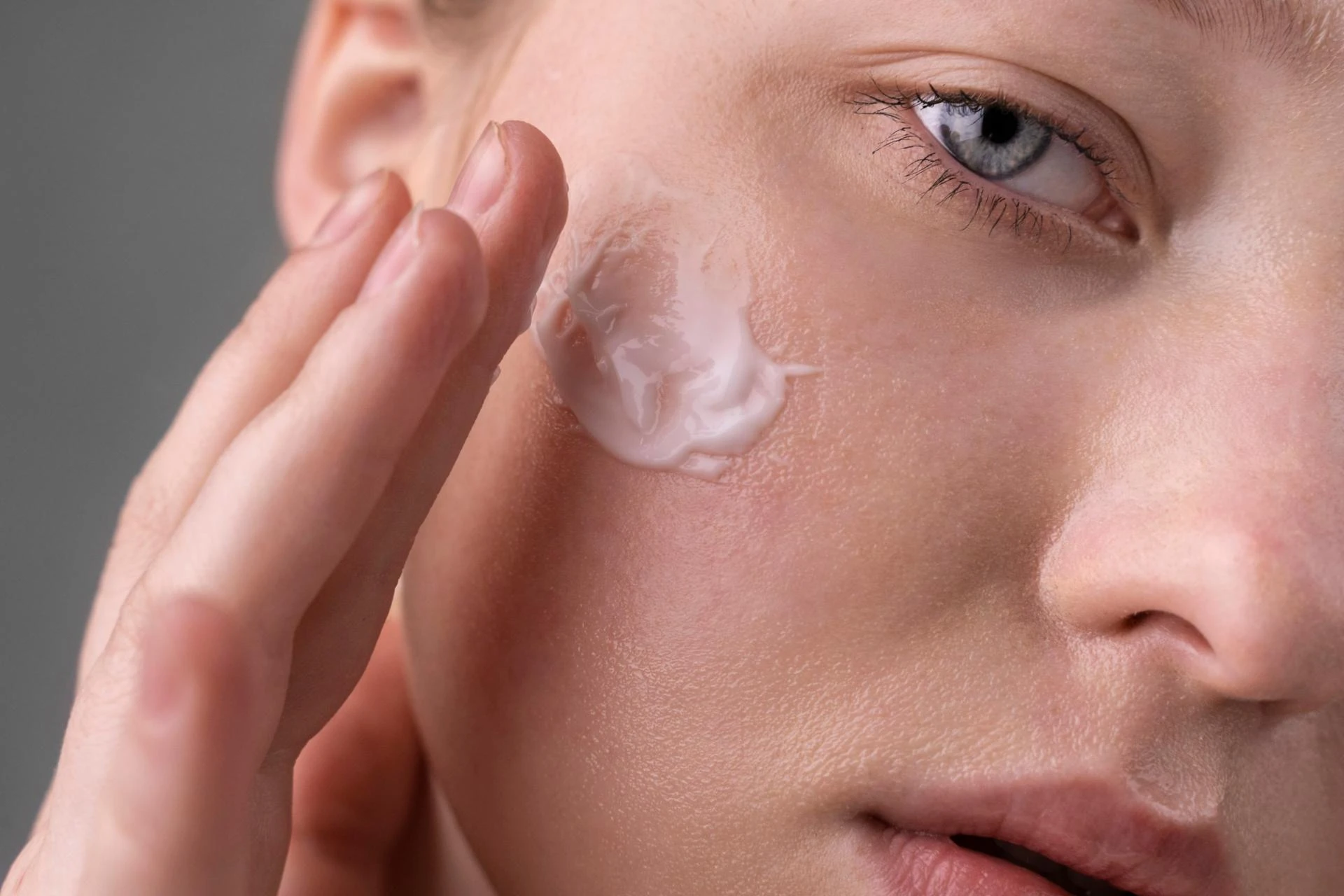
Top products blend all three types: humectants for pull, emollients for fill, occlusives for seal. Look for ceramide-rich options or niacinamide, which spurs lipid production. A lotion for face works for oily types, absorbing fast. Moisturizing cream for dry skin delivers intense relief for rough patches like cheeks or elbows. Apply to damp skin post-cleansing for max absorption—pat dry, then layer on.
Daily Routine Tips
Start simple: Cleanse gently, then apply lotion for face or cream within three minutes. Avoid hot water and fragranced products that strip lipids. Drink water and use a humidifier in dry rooms. For severe damage, pair with gentle actives like peptides. Improvements show in days—full repair in 2-4 weeks with consistency.
Choosing for Your Skin Type
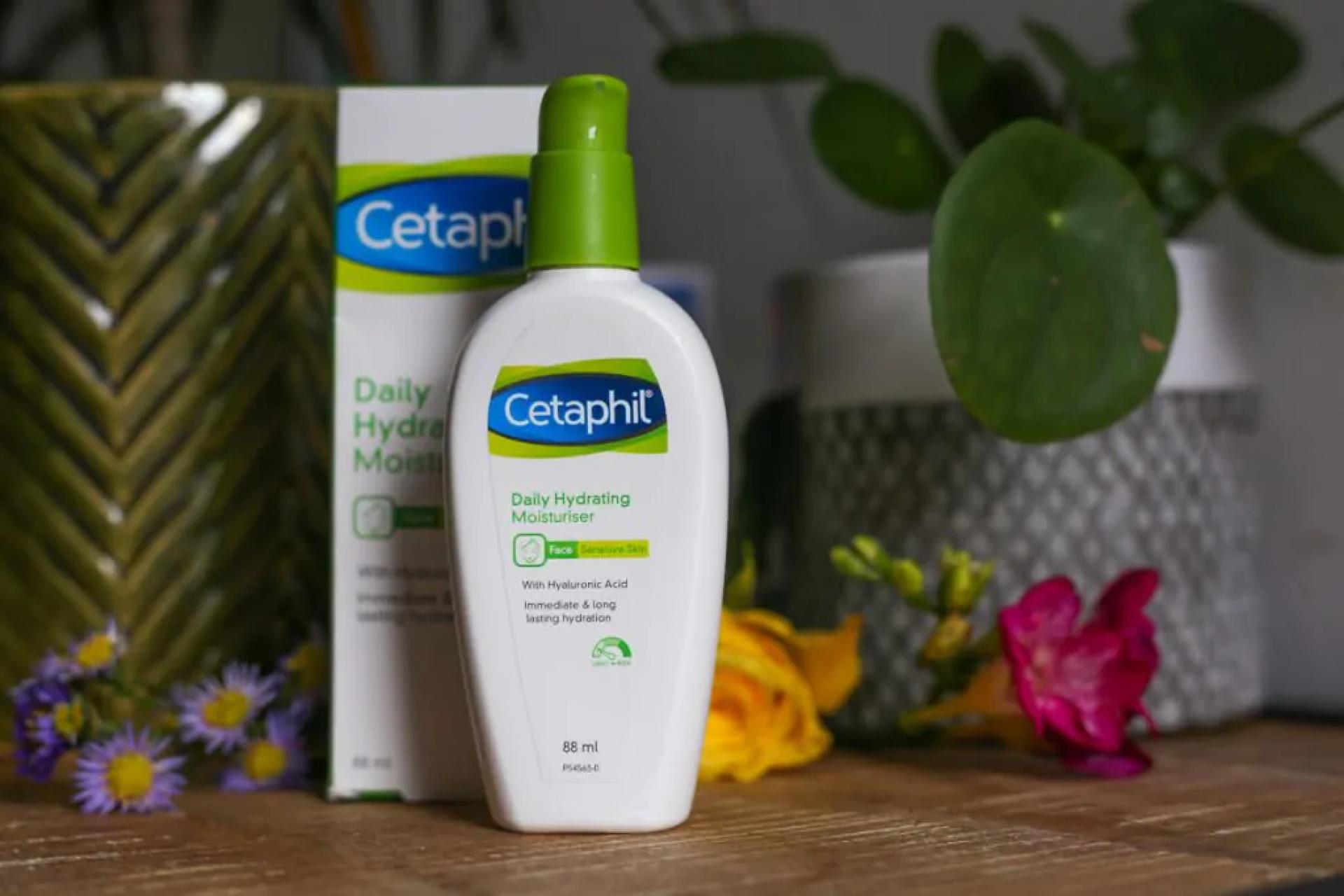
Oily skin? Pick gel-based moisturizing lotion for face with hyaluronic acid. Dry or mature? Go for rich moisturizing cream for dry skin with shea and ceramides. Sensitive types need fragrance-free with oats or allantoin. Test patches first. In humid climates, lighter lotions prevent clogging; arid areas demand creams.
Long-Term Benefits
Repaired barriers mean fewer flare-ups, even tone, and glow. They fend off aging signs like fine lines from dehydration. Invest in multi-taskers saving time and shelf space. Consult dermatologists for persistent issues—they tailor based on your needs.






























Sign in to leave a comment.