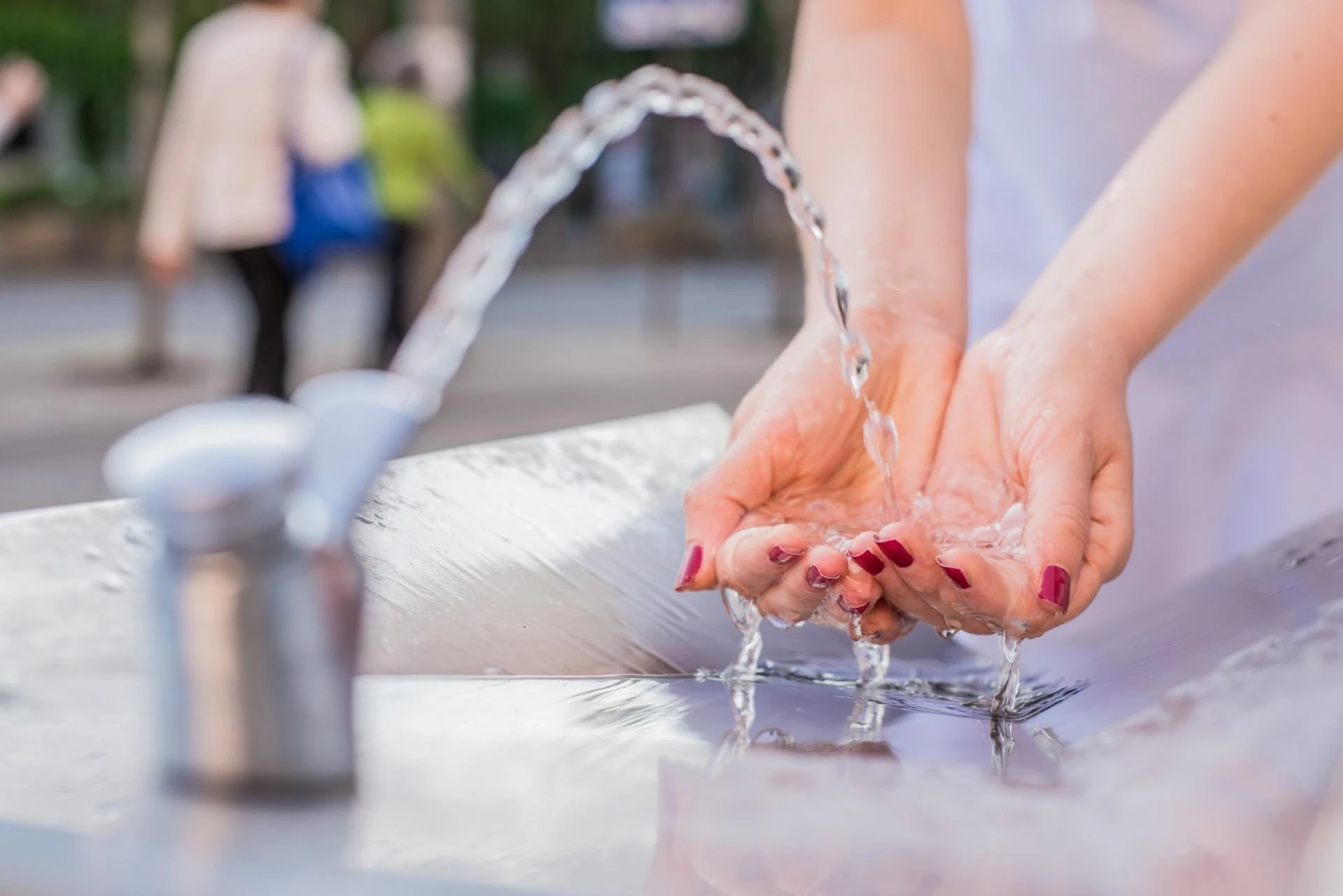

Why Modern Spaces Need a Drinking Water Fountain
A drinking water fountain has become an essential feature in modern public spaces, offices, schools, gyms, parks, and commercial buildings. In today’s environment where health, sustainability, and convenience are priorities, installing a high-quality water fountain system ensures easy access to clean and refreshing drinking water for everyone.
We understand that reliable hydration solutions are more than a simple amenity—they represent public health, environmental responsibility, and modern infrastructure. With innovative filtration technology and durable designs, modern drinking fountains provide an efficient and hygienic way to keep people hydrated throughout the day.
A well-designed drinking water fountain system improves accessibility, reduces plastic waste, and encourages healthy water consumption habits.
What Is a Drinking Water Fountain?
A drinking water fountain is a plumbing fixture designed to deliver a continuous stream of potable water for drinking. The water is typically directed upward through a nozzle, allowing users to drink directly or fill bottles.
These systems are commonly installed in:
- Schools and universities
- Corporate offices
- Public parks
- Hospitals
- Airports and transport hubs
- Gyms and fitness centers
- Shopping malls
Modern fountains often include advanced filtration, touchless operation, and bottle filling stations, ensuring a hygienic and convenient hydration experience.
Benefits of Installing a Drinking Water Fountain
1. Promotes Healthy Hydration
Easy access to clean drinking water encourages people to drink more water throughout the day. Proper hydration improves:
- Energy levels
- Concentration
- Digestion
- Overall wellness
Public hydration points like drinking fountains make it simple for everyone to maintain healthy hydration habits.
2. Reduces Plastic Bottle Waste
One of the most significant advantages of installing a drinking water fountain is the reduction of plastic waste. Millions of single-use plastic bottles are discarded every day.
Bottle filling stations connected to drinking fountains allow users to refill reusable bottles, dramatically reducing environmental impact.
Organizations committed to sustainability often install fountains as part of their eco-friendly initiatives.
3. Cost-Effective Water Access
Purchasing bottled water regularly can be expensive for organizations and individuals. A drinking water fountain system provides an affordable alternative.
Benefits include:
- Lower long-term costs
- Minimal maintenance expenses
- Reliable water supply
Once installed, a drinking fountain delivers years of cost-effective hydration.
4. Enhances Public Convenience
Accessibility is a key factor in public infrastructure. A strategically installed drinking water fountain ensures visitors, employees, and students always have access to clean water without searching for stores or vending machines.
This convenience improves user satisfaction and comfort in public spaces.
Types of Drinking Water Fountains
Wall-Mounted Drinking Fountains
Wall-mounted fountains are the most common type found in schools and public buildings.
Key features include:
- Compact design
- Durable stainless steel construction
- Easy maintenance
These units are perfect for high-traffic environments.
Outdoor Drinking Water Fountains
Outdoor fountains are designed for parks, playgrounds, sports fields, and recreational areas.
They feature:
- Weather-resistant materials
- Anti-freeze protection
- Durable construction
Outdoor drinking fountains ensure hydration access during outdoor activities.
Bottle Filling Drinking Water Fountains
Modern hydration stations combine traditional drinking fountains with bottle filling capabilities.
Advantages include:
- Faster bottle refilling
- Reduced water spillage
- Hygienic sensor operation
These systems have become extremely popular in schools, airports, and offices.
Touchless Drinking Water Fountains
Hygiene has become a top priority. Touchless drinking fountains use infrared sensors to activate water flow.
Benefits include:
- Reduced cross-contamination
- Improved sanitation
- Hands-free operation
These fountains are ideal for healthcare facilities and high-traffic locations.
Key Features of a High-Quality Drinking Water Fountain
When selecting a drinking water fountain system, several features ensure optimal performance and longevity.
Advanced Filtration Technology
High-quality fountains often include multi-stage filtration systems that remove:
- Chlorine
- Sediments
- Heavy metals
- Odor and taste contaminants
This ensures users always receive clean and great-tasting water.
Durable Construction
Commercial drinking fountains must withstand constant use. Premium models are built with:
- Stainless steel frames
- Corrosion-resistant materials
- Impact-resistant components
These materials provide long-lasting durability in busy environments.
Energy-Efficient Cooling Systems
Many drinking fountains include built-in cooling systems that deliver refreshingly cold water.
Energy-efficient compressors ensure:
- Lower electricity usage
- Consistent cooling performance
Easy Maintenance and Filter Replacement
Maintenance plays a crucial role in maintaining water quality. Well-designed fountains allow quick filter replacements and simple servicing, reducing downtime and maintenance costs.
Where Drinking Water Fountains Are Most Effective
Schools and Educational Institutions
Students need easy access to hydration throughout the day. Installing drinking fountains ensures:
- Healthy hydration habits
- Reduced sugary drink consumption
- Improved student concentration
Schools benefit from safe, filtered water access across campuses.
Corporate Offices
Modern workplaces focus on employee wellness. Drinking fountains in offices promote:
- Better hydration
- Increased productivity
- Reduced reliance on bottled water
This also helps organizations achieve sustainability goals.
Parks and Recreational Areas
Outdoor fountains allow visitors to stay hydrated during physical activities such as:
- Walking
- Running
- Cycling
- Sports
Public parks with drinking fountains create healthier and more visitor-friendly environments.
Healthcare Facilities
Hospitals and clinics require reliable access to clean water for patients, visitors, and staff.
Touchless drinking fountains provide safe and hygienic hydration solutions in medical settings.
How Modern Drinking Water Fountains Support Sustainability
Environmental sustainability is a major concern worldwide. Installing drinking fountains contributes to eco-friendly water consumption practices.
Reduction in Plastic Waste
Bottle filling stations significantly reduce the use of single-use plastic bottles.
Lower Carbon Footprint
Local water fountains eliminate the need for bottled water transportation and packaging.
Encouraging Reusable Bottles
Hydration stations motivate people to carry reusable water bottles, supporting sustainable lifestyles.
Choosing the Right Drinking Water Fountain System
Selecting the right fountain depends on several factors.
Location Requirements
Indoor and outdoor installations require different designs and materials.
User Traffic Volume
High-traffic locations require durable fountains with fast water flow.
Filtration Needs
Areas with varying water quality benefit from advanced Water filtration systems that ensure safe drinking water.
Accessibility Compliance
Fountains should meet accessibility standards to accommodate all users, including people with disabilities.
The Future of Drinking Water Fountains
Hydration technology continues to evolve. Modern drinking fountains are now incorporating:
- Smart water usage monitoring
- Touchless bottle filling
- IoT-enabled maintenance alerts
- Enhanced water filtration systems
These innovations improve efficiency, hygiene, and user experience in public hydration systems.
Organizations seeking reliable hydration infrastructure often choose trusted solutions such as Mountain Fresh, known for delivering high-quality water systems designed for performance and sustainability.
Conclusion
A drinking water fountain is more than just a plumbing fixture—it is a vital component of modern infrastructure that supports public health, sustainability, and convenience.
By installing efficient hydration systems in schools, offices, parks, and public facilities, organizations can provide clean drinking water while reducing environmental impact.
With advanced filtration, durable construction, and innovative designs, modern drinking fountains deliver a reliable solution for accessible hydration. Investing in high-quality systems ensures long-term benefits for communities, workplaces, and public spaces.





















Sign in to leave a comment.