
What Is Reverse Osmosis Water Filtration?
How Does Reverse Osmosis Work?
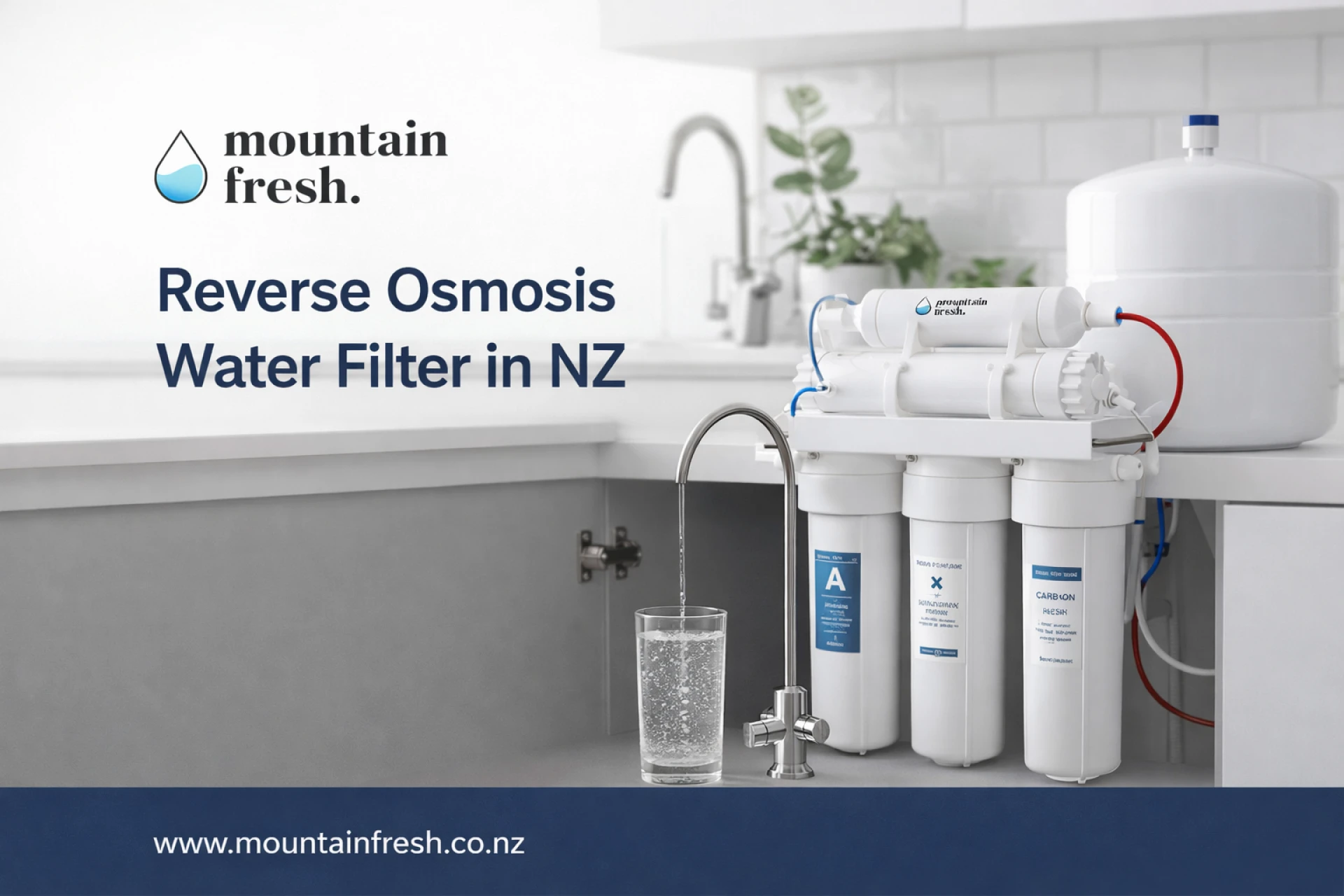
Reverse osmosis might sound technical, but the concept is actually simple. Imagine pushing water through an extremely fine filter that only allows pure water molecules to pass while blocking everything else. That’s exactly what happens inside an RO system. It uses a semi-permeable membrane to remove impurities at a microscopic level, something regular filters simply can’t do.
The process usually involves multiple stages. First, sediment filters remove dirt and particles. Then carbon filters eliminate chlorine and odors. Finally, the RO membrane removes dissolved contaminants like heavy metals, nitrates, and fluoride. This multi-step purification ensures that the water you drink is exceptionally clean and safe.
In New Zealand, where water quality varies by region, this level of filtration is especially valuable. Whether your water comes from municipal supply or a rural tank, RO systems adapt well and deliver consistent results. That’s why more homeowners are switching to systems like those offered by Mountain Fresh.
Why Is It More Effective Than Other Filters?
Here’s the key difference: most filters improve water, but a reverse osmosis water filter NZ system truly transforms it. While carbon filters mainly target taste and chlorine, RO systems go much further by removing dissolved solids and harmful contaminants, making them a more advanced and reliable choice for cleaner drinking water.
For example, standard filters may reduce chlorine, but they struggle with nitrates or heavy metals. In contrast, RO systems can remove up to 97% of hardness and over 90% of lead and fluoride. That’s a huge jump in performance and a big reason why RO is considered a premium solution.
Why Do People Use Reverse Osmosis Water Filters in NZ?
Is New Zealand Tap Water Really Safe?
Yes, New Zealand tap water is generally safe to drink. However, “safe” doesn’t always mean ideal. In some areas, people notice a chlorine taste or concerns about contaminants like nitrates, especially in agricultural regions.
Even when water meets safety standards, many households still prefer additional filtration for peace of mind. Think of it like locking your door—you’re already safe, but the extra step gives you confidence.
What Common Contaminants Exist in NZ Water?
Water in New Zealand can contain trace levels of:
- Chlorine (used for disinfection)
- Nitrates (from farming activities)
- Heavy metals like lead or copper
- Fluoride (added in some regions)
RO systems are designed to handle all of these effectively. They can remove contaminants like arsenic, mercury, cadmium, and nitrates, making them one of the most comprehensive filtration options available.
What Does a Reverse Osmosis Water Filter Remove?
Does It Remove Fluoride and Nitrates?
Yes, and this is one of the biggest reasons people choose RO systems. Fluoride and nitrates are difficult to remove with basic filters, but reverse osmosis handles them efficiently.
In fact, some systems can reduce fluoride levels by over 90% and significantly lower nitrate concentrations. This is particularly important for households concerned about long-term exposure.
Can It Eliminate Heavy Metals and Bacteria?
Absolutely. RO systems are capable of removing:
- Lead
- Arsenic
- Mercury
- Bacteria and viruses
This makes them ideal for both urban and rural homes. Whether you’re dealing with old pipes or tank water, RO provides an added layer of safety.
What Are the Benefits of Using Reverse Osmosis Systems?
How Does It Improve Taste and Health?
Let’s talk about taste—because that’s something you’ll notice immediately. RO water is clean, crisp, and free from chemical flavors. Many users report that tea and coffee taste significantly better after switching.
Health-wise, the benefits come from removing harmful contaminants. By eliminating heavy metals and chemicals, RO systems reduce potential health risks and improve overall water quality.
Is It Worth the Investment?
Short answer: yes. While the upfront cost may seem high, the long-term benefits outweigh it. Cleaner water, better taste, and reduced reliance on bottled water make it a smart investment for most households.
Are There Any Disadvantages of Reverse Osmosis?
Does It Waste Water?
Yes, traditional RO systems do produce some wastewater. Typically, for every 1 litre of purified water, 3–4 litres may be wasted. However, newer systems are much more efficient and can significantly reduce this ratio.
Does It Remove Essential Minerals?
RO systems remove almost everything—including beneficial minerals like calcium and magnesium. That’s why many modern systems include a remineralisation stage to add these minerals back, improving both taste and health.
Why Choose Mountain Fresh for RO Water Filters in NZ?
What Makes Mountain Fresh Unique?
Mountain Fresh stands out because it focuses on New Zealand-specific water conditions. Instead of offering generic solutions, they design systems that address the exact contaminants found locally.
Users often report noticeable improvements in taste, reduced chlorine smell, and less scaling in appliances after installation. That kind of real-world impact makes a big difference.
Are Their Systems Suitable for NZ Homes?
Yes, especially because they consider factors like water pressure, temperature, and local contaminants. This ensures better performance and reliability compared to imported generic systems.
Comparison Table: RO vs Other Water Filters
| Feature | Reverse Osmosis | Carbon Filter | UV Filter |
|---|---|---|---|
| Removes Heavy Metals | Yes | No | No |
| Removes Bacteria | Yes | No | Yes |
| Improves Taste | Excellent | Good | No |
| Removes Nitrates | Yes | No | No |
| Maintenance Cost | Medium | Low | Medium |
How to Choose the Best Reverse Osmosis Water Filter NZ?
What Features Should You Look For?
When choosing an RO system, look for:
- Multi-stage filtration
- Remineralisation feature
- High efficiency (low water waste)
- Easy filter replacement
How Important Is Water Pressure?
Very important. RO systems perform best at 50–80 psi, which is typical for most NZ homes. Low pressure can reduce efficiency, so some homes may need a booster pump.
Conclusion: Is a Reverse Osmosis Water Filter NZ Worth It?
If you’re serious about water quality, a reverse osmosis system is one of the best investments you can make. It goes beyond basic filtration and delivers water that is not only safe but also tastes great. For households in New Zealand, where water quality can vary, this extra level of purification brings peace of mind.
Choosing a trusted provider like Mountain Fresh ensures that your system is tailored to local conditions, making it even more effective. Once you experience the difference, going back to untreated tap water feels almost impossible.
FAQs
1. Is reverse osmosis water safe to drink daily?
Yes, RO water is completely safe. Systems with remineralisation even add back essential minerals for better health.
2. How often do filters need to be replaced?
Most filters need replacement every 6–12 months, while the RO membrane can last 2–4 years.
3. Does RO water taste different?
Yes, it tastes cleaner and fresher because impurities and chemicals are removed.
4. Can RO systems work in rural NZ homes?
Yes, but you may need a booster pump if water pressure is low.
5. Is reverse osmosis better than bottled water?
In most cases, yes. It’s more cost-effective and environmentally friendly in the long run.



























Sign in to leave a comment.