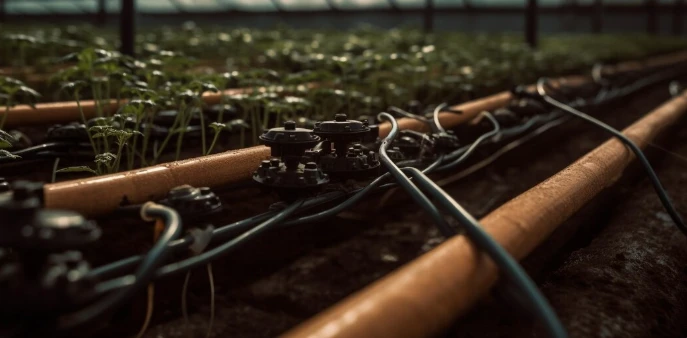

Selecting the correct pump from brands like Shaw Pump and Supply is essential to reliable drip and sprinkler irrigation. The right pump ensures steady pressure, consistent flow, longer system life, and water savings. This guide walks you through the core factors, system type, flow and pressure needs, pump types, sizing, efficiency, and maintenance, so you can make an informed choice.
Understand your system requirements
Start by mapping your irrigation layout. Identify:
- Type: drip (low-flow, low-pressure) or sprinkler (higher flow, higher pressure).
- Total watering zones and how many operate simultaneously.
- The required run-time per zone.
This inventory determines the flow (liters per minute/gallons per minute) and pressure (psi/bar) your pump must supply.
Flow rate (GPM / LPM) and pressure (PSI / Bar)
Two measurements matter the most: flow rate and pressure. For drip systems, typical pressures range from 10–30 psi (0.7–2.1 bar) with low GPM. Sprinklers often need 30–50+ psi, depending on nozzle type and elevation. To size a pump:
- Add the flow rates of all emitters or sprinkler heads running at once to get the total GPM (or LPM).
- Calculate total dynamic head (TDH), the sum of elevation changes, friction loss in pipes, and nozzle requirements, converted to pressure. TDH is critical for selecting the correct pump curve.
Common pump types and when to use them
- Centrifugal pumps: Best for open wells, surface water, and systems needing moderate to high flow. They’re simple and cost-effective for sprinkler systems.
- Submersible pumps: Ideal for deep wells and when priming is a concern. Efficient for continuous operation and often quieter.
- Jet pumps: Good for shallow wells or where suction lift is required; less efficient for high-demand systems.
- Booster pumps: Used to increase pressure in low-pressure mains or to feed higher-pressure sprinkler zones.
- Variable speed/pressure-regulated pumps: Offer precise pressure control, reduced energy use, and are excellent for mixed drip-and-sprinkler systems.
Sizing and matching pump curves
Match pump performance curves to your required flow and TDH. Choose a pump that operates near its best-efficiency point (BEP) for longevity and energy savings. Oversized pumps can short-cycle or waste energy; undersized pumps won’t meet system demand.
Efficiency, materials & power source
Energy-efficient motors and variable-speed drives reduce operating costs. For corrosive or sandy water, choose stainless steel or cast-iron construction and include a suitable filter/strainer. Consider power availability (electric, solar, or diesel) and the cost trade-offs for remote sites.
Installation tips Maintenance.
Install pumps on flat level pads; check valves are to be used properly, as well as pressure tanks (drip system) and pressure regulators. Defend against dry runs and provide ease of servicing. Routine care: Cleaning filters, checking the seals, and the check of the bearings helps to prolong the life of the pump and save the performance of irrigation.
Final checklist (quick)
- Confirm system flow (GPM/LPM) and TDH.
- Select the type of pump that is suitable for the source of water and depth.
- Move the match pump curve to the desired operating point (approximately BEP).
- Materials, power source, and factor efficiency.
- Install correctly, filter, and maintain the plan.
FAQs
Q: Is it possible to have a single pump and have drip and sprinklers?
A: Yes, when the size is right and when it is accompanied by pressure regulators/booster zones or a variable speed pump to adjust to varying pressure requirements.
Q: What is the frequency of servicing of my pump?
A: Check filters and seals once every season; do total maintenance either once a year or in accordance with the prescribed manufacturer instructions.
Q: Are solar pumps viable?
A: Solar pumps are good in off-grid locations and low-to-moderate flow requirements; they can be used with batteries or variable controllers to increase reliability.
Selecting an appropriate pump minimizes waste, enhances plant health, and lowers the cost of the long term. Combine the checklist above with manufacturer pump curves, and when in doubt, let a local irrigation professional check to make sure that your TDH and final pump choice are correct.






























Sign in to leave a comment.