

A clothes dryer makes laundry day much easier, but it also creates something many homeowners do not think about: lint. Some lint is caught by the dryer's lint screen, while small amounts can travel into the exhaust vent. Over time, that buildup can restrict airflow and make the dryer work harder.
A clogged or restricted dryer vent is more than an inconvenience. It can contribute to longer drying times, higher energy use, overheating, and increased fire risk. The U.S. Fire Administration recommends cleaning the dryer vent pipe at least once a year, or more often when clothes take longer than normal to dry.
One of the simplest tools for routine maintenance is a brush kit designed for dryer vents. With the right equipment and careful technique, homeowners can remove lint and debris from accessible sections of the vent without immediately needing specialized equipment.
This guide explains what to look for in a kit, how it works, how to use it safely, and when professional cleaning is the better choice.
What Is a Dryer Vent Brush Kit?
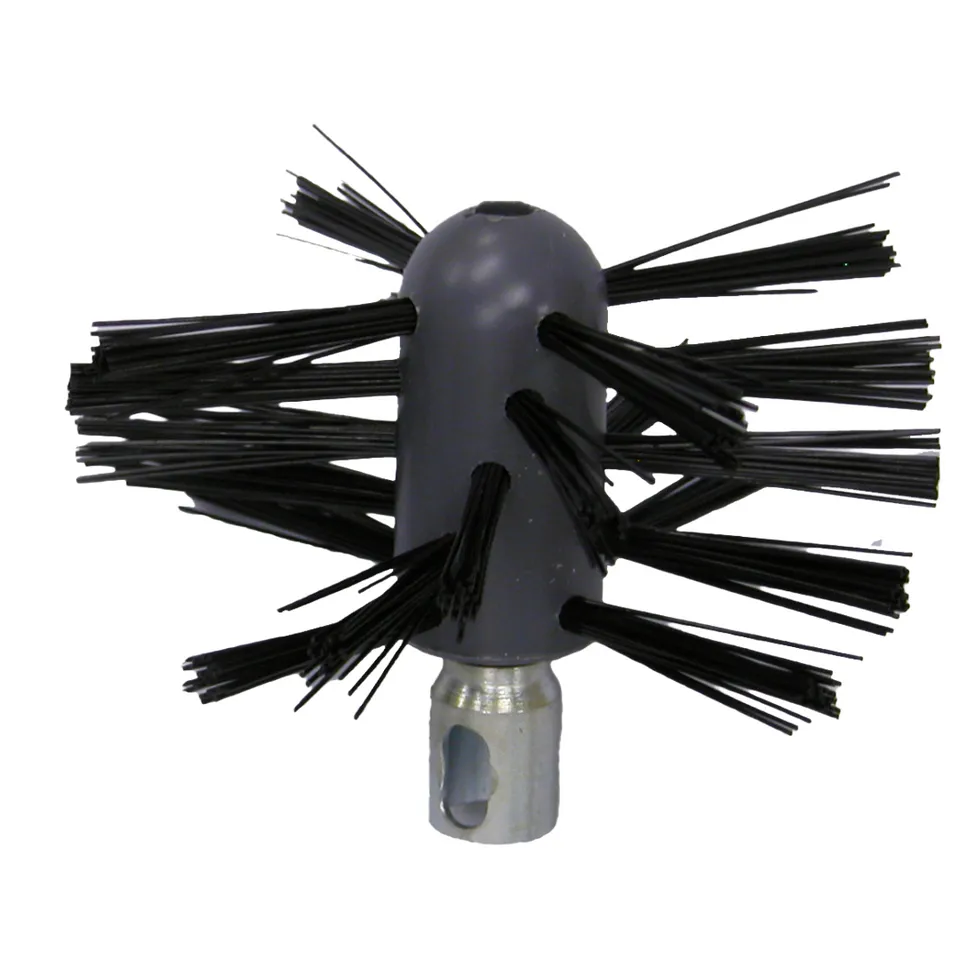
A dryer vent brush kit is a collection of tools designed to reach inside the exhaust duct behind or near a clothes dryer. Most kits include a long, flexible handle made from several sections that can be connected together. A brush attaches to the end and loosens lint stuck to the inside of the vent.
Think of it like a bottle brush, but much longer.
The brush moves through the vent and agitates the lint so it can be removed. Depending on the kit, you may also receive attachments, adapters, rods, or other accessories that help with different cleaning situations.
The goal is simple: loosen accumulated debris and remove it rather than allowing it to remain inside the airflow path.
Not every kit is designed the same way, though. Some are intended for short, straightforward vent runs, while others are made with longer rods and more flexible components for reaching farther.
Why Dryer Vent Cleaning Matters
Your dryer needs good airflow to work properly. During a normal drying cycle, warm air moves through the clothes, picks up moisture, and leaves through the exhaust system.
If lint begins building up inside that path, the air may not move as freely.
Imagine trying to breathe through a straw that is partly blocked. You can still get air through it, but it takes more effort. A dryer can experience a similar problem when its exhaust path becomes restricted.
Poor airflow may lead to:
- Clothes taking longer to dry
- Multiple cycles being needed for one load
- The dryer becoming unusually hot
- Increased energy consumption
- More wear on the appliance
- Lint accumulating around the vent system
ENERGY STAR also notes that adequate airflow is important to drying efficiency and recommends cleaning the lint filter after every load.
Regular lint-screen cleaning is essential, but it does not necessarily remove material that has already traveled farther into the exhaust duct.
How a Vent Brush Helps
A vent brush works through a straightforward combination of reach and movement.
The bristles contact the interior surface of the duct. As the brush moves through the vent, the bristles disturb lint and other loose debris. Once loosened, that material can be removed with a vacuum or collected from an accessible opening.
The process is similar to cleaning a narrow drinking bottle with a long brush. A cloth or sponge might clean the opening, but it cannot reach the deeper areas. A long brush solves that problem.
The main advantage is that you can reach areas that are difficult to clean with an ordinary household brush.
However, the tool is not a magic solution. A brush cannot correct a badly designed vent, crushed duct, damaged pipe, blocked exterior outlet, or inaccessible section that requires professional equipment.
What to Look For When Choosing a Kit
There are several features worth considering before buying a kit.
1. Flexible Rods
A dryer vent rarely runs in a perfectly straight line. Flexible rods can make it easier to work around gentle bends.
Look for rods that are flexible enough to navigate the vent but sturdy enough to push and pull the brush without excessive bending.
2. Secure Connections
The sections of the rod need to stay firmly connected during cleaning.
A loose connection can cause a brush or rod section to separate inside the duct. That can turn a simple cleaning job into a frustrating retrieval problem.
Before using the kit, check each connection carefully.
3. Appropriate Brush Size
The brush should fit the vent without being excessively tight.
A brush that is too large may be difficult to move and could potentially damage a delicate vent component. One that is too small may not make enough contact with the interior surface to remove loose buildup effectively.
Always follow the kit manufacturer's instructions for the appropriate brush and attachment.
4. Durable Bristles
The bristles should be firm enough to disturb lint without being unnecessarily aggressive.
A good brush is designed to scrub rather than scrape. The objective is to remove buildup while treating the vent material carefully.
5. Useful Attachments
Some kits include additional pieces that can make cleaning easier. Depending on the product, these may include adapters or accessories designed to work alongside a vacuum.
Extra components can be useful, but more pieces do not automatically mean a better kit. Focus on whether the included parts actually suit your dryer setup.
How to Use a Dryer Vent Brush Safely
Before beginning, turn the dryer off and disconnect it from its power source. If you have a gas dryer, use extra caution around the gas connection. Do not disconnect gas lines unless you are qualified to do so.
Move the dryer carefully if necessary to access the vent connection.
Step 1: Check the Vent Area
Look around the dryer and inspect the visible vent connection.
If you notice a crushed hose, damaged duct, loose connection, or other obvious problem, do not assume brushing alone will fix it.
The U.S. Fire Administration recommends proper venting and keeping the exhaust path unobstructed. (U.S. Fire Administration)
Step 2: Disconnect the Vent Carefully
If the vent can be safely disconnected, expose the opening where the brush will enter.
Avoid forcing connections apart. Some vent systems may be positioned tightly or attached in ways that require specific tools.
Step 3: Assemble the Brush
Connect the brush to the first rod section according to the manufacturer's directions.
If the kit uses multiple sections, connect them one at a time. Make sure every connection is secure before inserting the brush.
Step 4: Work the Brush Through the Vent
Insert the brush gently.
Do not force it when you encounter resistance. Instead, use controlled movements and allow the bristles to loosen the material.
Depending on the vent design, you may push and pull the brush or rotate it according to the kit's instructions.
Step 5: Remove the Loosened Lint
As the brush brings lint back toward the opening, collect it rather than allowing it to spread around the laundry area.
A suitable vacuum can help collect loose debris around an accessible opening.
Step 6: Inspect the Exterior Vent
Cleaning the interior section is only part of the job.
Check the outside exhaust opening if it is safely accessible. The exterior flap should be able to open when the dryer is operating, and the outlet should not be obstructed.
If the exterior vent is blocked by lint, debris, a nest, or another obstruction, the airflow problem may remain even after cleaning the indoor section.
Step 7: Reconnect Everything
Once cleaning is complete, reconnect the vent carefully.
Make sure the connection is secure and that the duct has not been crushed or sharply bent when the dryer is returned to its position.
Signs Your Dryer Vent May Need Attention
You do not necessarily need to wait for a major problem before inspecting the vent.
Watch for changes such as:
Clothes Take Longer to Dry
If loads that normally finish in one cycle suddenly require two, restricted airflow could be one possible reason.
Longer drying times are specifically identified by the U.S. Fire Administration as an important warning sign that a vent may need cleaning. (U.S. Fire Administration)
The Dryer Feels Excessively Hot
Some warmth is normal, but unusual heat around the dryer or laundry area deserves attention.
Do not continue operating an appliance that appears to be overheating. Consult the manufacturer's guidance or a qualified technician.
The Exterior Flap Barely Moves
The outdoor exhaust flap should respond to airflow when the dryer is running. If it barely opens or appears blocked, the exhaust path may need inspection.
You Smell a Hot or Burning Odor
Stop using the dryer if you notice an unusual burning smell. Allow it to cool and have the appliance and vent system inspected.
A brush is a maintenance tool, not a substitute for diagnosing an electrical, mechanical, or gas-related problem.
Common Mistakes to Avoid
Cleaning Only the Lint Screen
The lint screen should be cleaned after every load, but it is not the entire exhaust system.
ENERGY STAR recommends cleaning the lint filter after every load because doing so supports airflow and dryer efficiency. (ENERGY STAR)
Pushing the Brush Too Hard
More force does not necessarily mean better cleaning.
If the brush suddenly stops, do not aggressively push it deeper. You could damage the duct, separate a rod section, or create a problem that is harder to fix.
Ignoring the Outside Vent
A clean indoor section does not help much if the exterior outlet remains blocked.
Always consider the complete airflow path.
Assuming Every Dryer Has a Traditional Vent
This is an important distinction.
Conventional vented dryers exhaust air through a duct to the exterior. Heat-pump dryers, however, use a different system and generally do not require a traditional exterior dryer vent. ENERGY STAR explains that heat-pump dryers use a closed-loop process to remove moisture rather than exhausting warm humid air outdoors in the same way as conventional dryers. (ENERGY STAR)
Therefore, always check your dryer model and owner's manual before attempting vent cleaning.
When a Professional Should Handle the Job
A home cleaning kit can be useful for accessible, manageable vent systems, but some situations call for professional help.
Consider professional service when:
- The vent is very long or difficult to access
- The duct passes through walls or ceilings
- You cannot determine where the vent leads
- The vent appears damaged
- A brush becomes stuck
- There is heavy or compacted buildup
- The dryer repeatedly overheats
- Cleaning does not improve drying performance
- You suspect a blockage deep inside the system
- The dryer uses gas and you are concerned about its connections
Professional technicians may have specialized equipment that can clean longer or more complicated systems more thoroughly.
A quality maintenance approach is not about doing everything yourself. It is about knowing what you can safely handle and recognizing when a problem has moved beyond simple maintenance.
Where Vent Vision Fits In
When shopping for dryer maintenance equipment, it helps to choose products designed specifically for the job rather than improvising with unrelated household tools. Vent Vision offers dryer vent cleaning equipment intended to help make maintenance more practical for homeowners and professionals.
Whatever brand you choose, pay attention to construction quality, compatibility, instructions, and the design of your particular vent system.
How Often Should You Clean a Dryer Vent?
There is no single schedule that works perfectly for every household.
The right frequency depends on factors such as how often you use the dryer, how much laundry you process, the length and design of the vent, and how much lint your laundry produces.
The U.S. Fire Administration recommends cleaning the vent pipe once a year or more often when drying times increase. (U.S. Fire Administration)
That provides a useful starting point, but your dryer can give you additional clues. If drying suddenly takes longer than usual, investigate rather than simply increasing the drying time.
And remember that cleaning the vent does not replace routine lint-screen maintenance. The lint filter should still be cleaned after every load.
Benefits of Keeping the Vent Clear
A clean and properly functioning vent can support better dryer performance.
Potential benefits include:
- Better airflow
- More consistent drying
- Less unnecessary running time
- Reduced stress on the appliance
- Improved energy efficiency
- A cleaner laundry area
- Reduced lint accumulation in the exhaust system
It is important not to promise that vent cleaning will automatically reduce a specific amount from your electricity bill. Results depend on the condition of the dryer, the vent design, usage habits, and many other factors.
Still, removing unnecessary airflow restrictions is a sensible part of appliance maintenance.
A Simple Maintenance Routine
Keeping your dryer in good condition does not have to become a complicated project.
Start by cleaning the lint filter after every load. Periodically inspect the visible vent connection and the area behind the dryer. Pay attention to changes in drying time and unusual heat.
Once a year, inspect and clean the vent pipe as appropriate for your system, or arrange professional service if the vent is difficult to access.
If you use a brush kit, store the components together after cleaning. Check the brush and rods before each use so damaged pieces do not accidentally get used.
Small maintenance habits can prevent a minor lint problem from becoming a major headache.
Frequently Asked Questions
Can I clean my dryer vent myself?
Yes, some accessible dryer vents can be cleaned by homeowners using an appropriate brush kit and following the dryer and kit manufacturer's instructions. Complicated, damaged, or inaccessible systems are better handled by a professional.
How do I know if my dryer vent is clogged?
Longer drying times, excessive heat, weak airflow at the exterior outlet, and unusual dryer performance can indicate restricted airflow. These symptoms can have other causes as well, so persistent problems should be investigated.
Is a brush enough to clean the entire vent?
Not always. A brush can be effective for loosening accessible lint, but long or complicated vent systems may require professional equipment.
Should I clean the lint filter even if I clean the vent?
Absolutely. The lint filter should be cleaned after every load. Vent cleaning and lint-filter cleaning serve different purposes. (ENERGY STAR)
Do heat-pump dryers need a traditional vent brush?
Generally, no. Heat-pump dryers normally do not use the same exterior exhaust duct found on conventional vented dryers. Check your specific model's maintenance instructions before purchasing or using vent-cleaning equipment. (ENERGY STAR)
Conclusion
A dryer works best when air can move freely through its intended path. Lint buildup can gradually interfere with that airflow, especially when a vent is not inspected or cleaned regularly.
A well-designed brush kit can make routine maintenance easier by giving you a practical way to reach and loosen lint in an accessible vent. The key is to use it carefully, avoid forcing the brush, inspect the entire airflow path, and recognize when professional help is needed.
Most importantly, dryer maintenance should be treated as an ongoing habit rather than a one-time chore. Clean the lint filter after every load, watch for changes in drying performance, keep the vent path clear, and follow your dryer's manufacturer instructions.
With a little regular attention, you can help your dryer operate as intended and catch potential vent problems before they become bigger issues.























Sign in to leave a comment.