Sewer problems are not something most homeowners think about until something goes wrong. Unfortunately, sewer line damage can cause serious issues like bad odors, slow drains, and even property damage if ignored for too long. Many homeowners only start searching for professional sewer repair in Savannah when the problem becomes urgent.
According to the United States Environmental Protection Agency, leaks and damaged pipes in homes can waste nearly 10,000 gallons of water every year in an average household. That shows how important it is to notice plumbing problems early before they become expensive repairs.
In this guide, you’ll learn the 7 early warning signs of sewer line damage, what they mean, and what Savannah homeowners should do if they notice them.
What Causes Sewer Line Damage in Homes?
Before looking at the warning signs, it helps to understand why sewer pipes fail. Sewer lines run underground, and over time they can wear out or get damaged.
Here are some of the most common causes:
| Cause | Explanation |
|---|---|
| Tree root intrusion | Roots grow into pipes searching for water |
| Aging pipes | Older homes may have clay or cast iron pipes |
| Ground shifting | Soil movement can crack or break pipes |
| Blockages | Grease, wipes, and debris clog pipes |
| Corrosion | Metal pipes weaken over time |
Many homes in older neighborhoods may already have decades-old sewer systems, making regular inspection important.
What Are the Early Signs of Sewer Line Damage?
Sewer problems rarely appear overnight. In most cases, the pipes show early warning signs before a major failure happens.
Recognizing these signals early can help homeowners fix the problem before it becomes a costly repair.
Below are the seven most common signs of sewer line damage.
Why Do Multiple Drains Start Clogging at Once?
If one sink or shower drain is clogged, it might be a small blockage in that specific pipe. But if several drains around the house start clogging at the same time, the issue may be in the main sewer line.
Example scenario
Imagine this situation:
- Your kitchen sink drains slowly
- The bathroom sink also begins clogging
- The shower fills with water while draining
This usually means the main sewer line cannot move wastewater properly.
What homeowners should do
- Avoid using chemical drain cleaners
- Stop flushing wipes or grease
- Schedule a professional inspection if the issue continues
A sewer camera inspection can quickly identify the source of the problem.
What Does a Sewer Smell Inside Your Home Mean?
One of the clearest signs of sewer line trouble is a strong sewage smell inside or around the house.
Sewer systems are designed to keep gases contained underground. If you smell sewage indoors, something is not working correctly.
Possible reasons
- A cracked sewer pipe
- A broken vent pipe
- A dried-out drain trap
- A damaged sewer line
Sewer gas is not just unpleasant—it can also affect indoor air quality.
According to plumbing experts, persistent sewer odors should never be ignored, especially if they appear near drains or basements.
Why Is Your Lawn Suddenly Greener or Soggy?
A damaged sewer line underground may leak wastewater into the surrounding soil. This can create unexpected changes in your yard.
Signs to watch for
- Unusually green grass in one area
- Soft or soggy soil
- Small puddles that don’t dry quickly
- A foul smell outside
Wastewater acts like fertilizer, which is why grass above a leaking sewer pipe often grows faster and greener than the rest of the yard.
If you notice this pattern, it’s a good idea to have the pipes inspected before the leak spreads.
Why Are There Gurgling Sounds in Your Pipes?
Pipes should move water quietly. If you start hearing gurgling sounds from sinks, toilets, or drains, the sewer system may be struggling to push air and water through the pipes.
What causes these noises?
When a sewer pipe gets partially blocked, air becomes trapped in the system. As water moves through the pipe, it creates bubbling or gurgling sounds.
Common causes include:
- Early blockages
- Tree roots inside pipes
- Collapsing sewer lines
- Pipe misalignment
If the noise happens frequently, the problem could be developing deeper in the sewer line.
Why Do Toilets or Drains Keep Backing Up?
A sewer backup is one of the most serious plumbing issues a homeowner can face.
When wastewater cannot move through the sewer line, it may start coming back up through drains or toilets.
Early warning signs
- Water rising in the toilet bowl
- Drain water backing up in sinks or tubs
- Toilets flushing slowly
These issues often appear before a major sewer blockage occurs.
If backups happen more than once, it is usually time for a professional sewer inspection.
Why Are There More Pests Around Your Property?
Damaged sewer lines can attract rodents and insects.
Cracked pipes allow pests to enter the sewer system and eventually find their way into homes.
Common pests linked to sewer damage
- Rats
- Cockroaches
- Flies
According to pest control experts, rodents can squeeze through small pipe openings or cracks in underground plumbing.
If you notice an unusual increase in pests near drains or basements, it may be worth checking the sewer line.
When Should You Call a Professional Plumber?
Some minor plumbing issues can be handled with simple fixes. But sewer line damage usually requires professional tools and expertise.
Situations where professional help is necessary
- Multiple drain clogs
- Sewer odors inside the home
- Repeated drain backups
- Standing water in the yard
- Gurgling sounds in pipes
Professional plumbers often use tools like:
- Sewer camera inspections
- Hydro jetting equipment
- Trenchless pipe repair technology
These tools help diagnose and fix sewer problems without unnecessary digging.
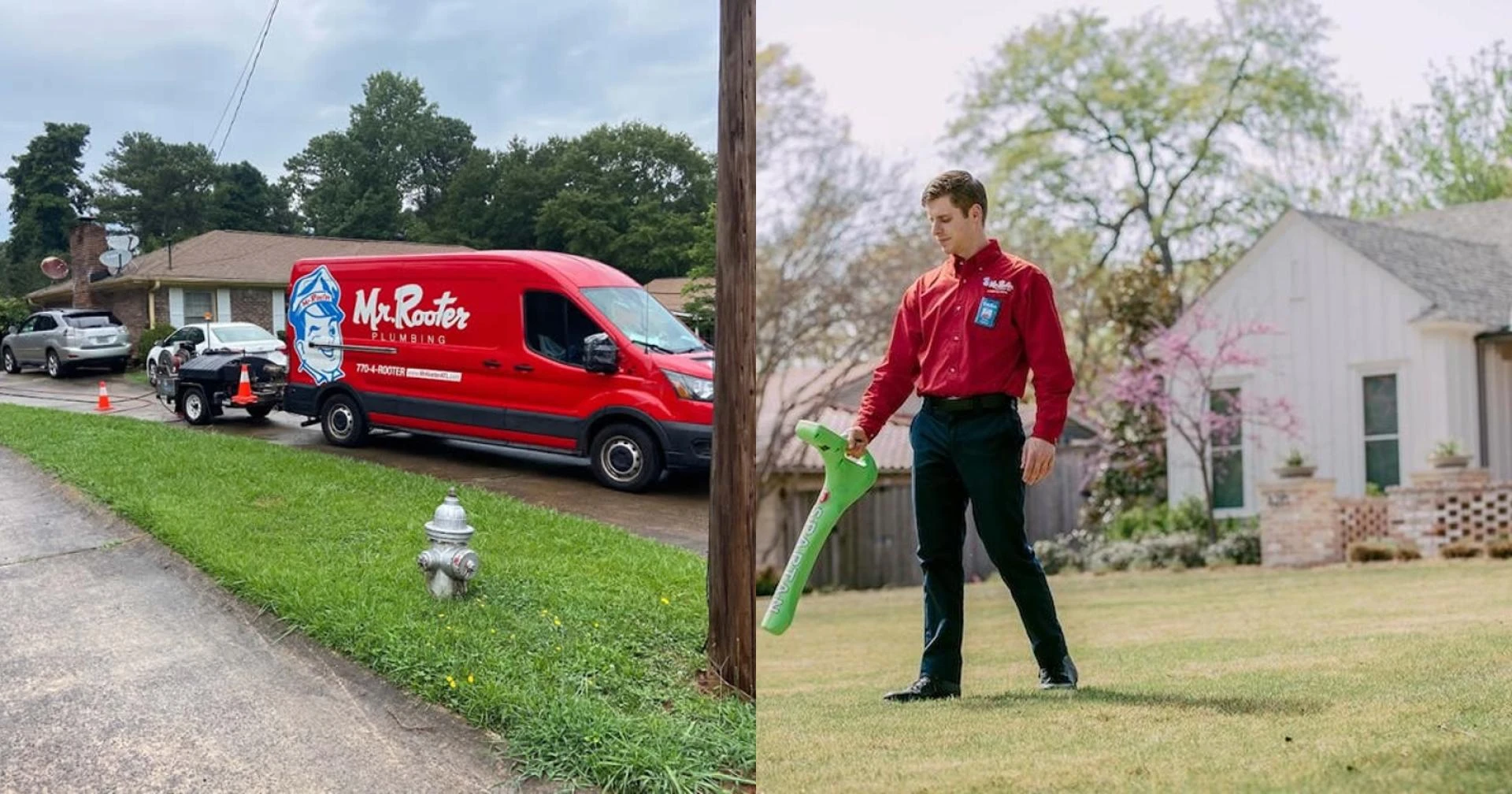
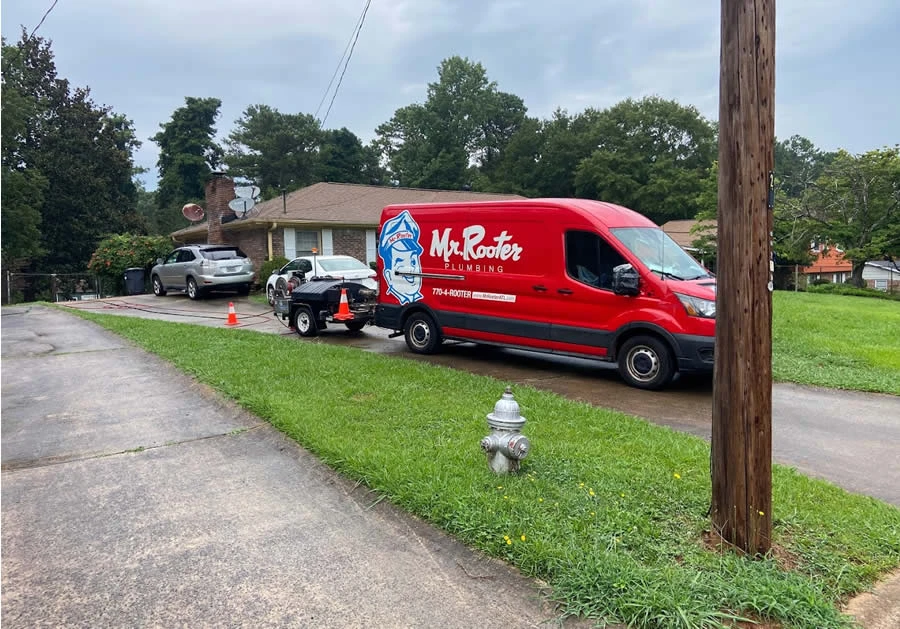
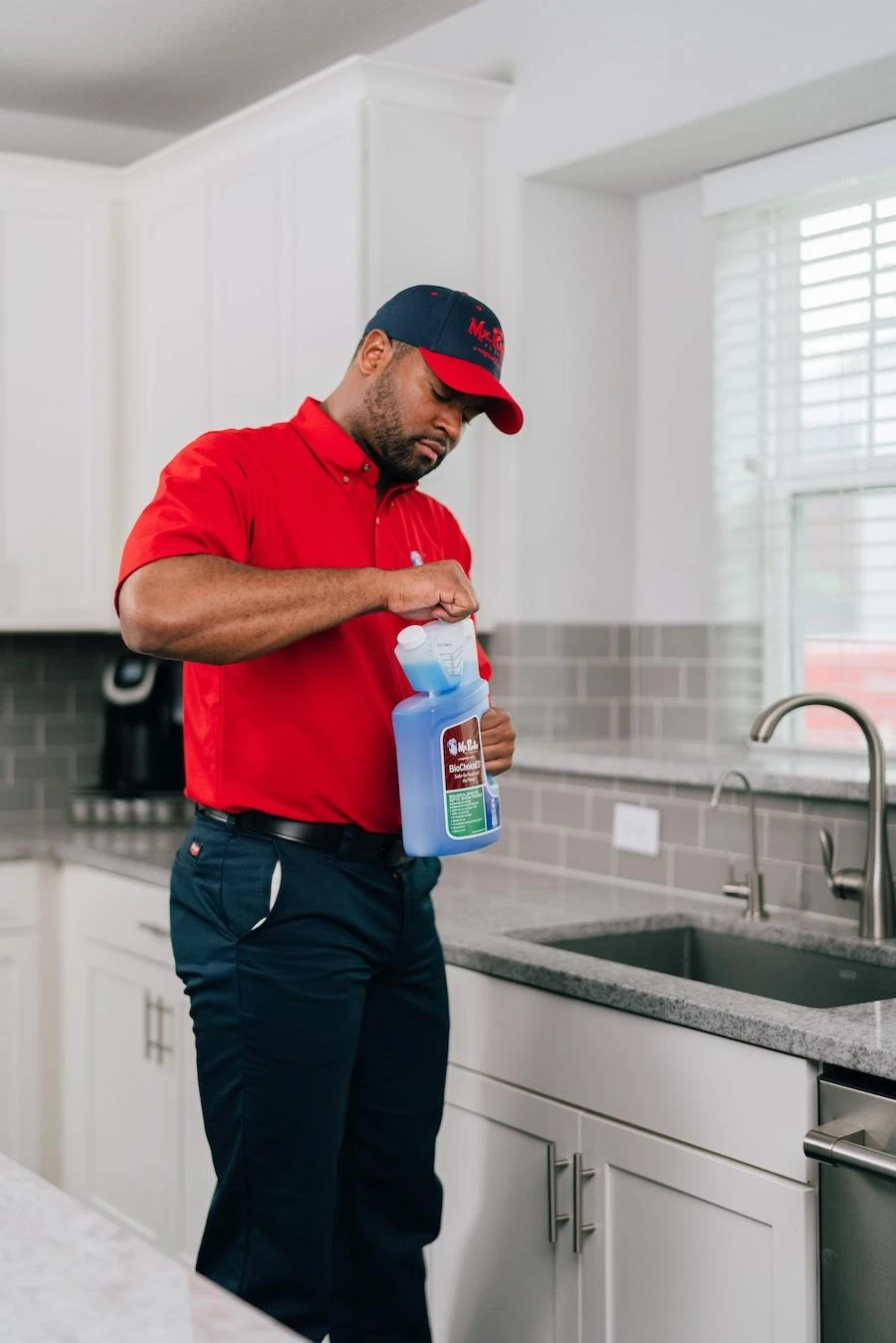
A licensed plumbing service such as Mr. Rooter Plumbing of Savannah can inspect sewer lines and recommend the best repair solution for homeowners in the area.
Expert Insight
Many plumbing professionals emphasize the importance of early detection.
John Wood, former CEO of American Water Works Association, once explained in discussions about infrastructure maintenance:
“Underground water and sewer systems are often ignored until something breaks, but early inspection and maintenance can prevent costly failures.”
This idea applies to residential plumbing as well. Regular checks can help avoid emergency repairs.
Simple Prevention Tips for Homeowners
Preventing sewer problems is often easier than repairing them.
Here are a few habits that can protect your sewer system:
- Never pour grease down the sink
- Avoid flushing wipes or hygiene products
- Schedule occasional plumbing inspections
- Plant trees away from underground pipes
- Pay attention to unusual drain behavior
Small habits like these can extend the life of your plumbing system.
Conclusion
Sewer line damage usually doesn’t appear overnight. The system often gives early warning signs, but they can be easy to miss if homeowners are not paying attention.
Slow drains, sewer odors, soggy lawns, and gurgling pipes are all signals that something may be wrong underground. Recognizing these problems early can help prevent serious damage and expensive repairs.
For homeowners noticing these issues, getting a professional inspection can save time, money, and stress. Acting quickly ensures the problem is handled before it affects the entire plumbing system.
According to the United States Environmental Protection Agency, household plumbing leaks waste nearly 1 trillion gallons of water each year in the United States, showing how important early maintenance and repair can be.
If you notice any of the signs mentioned in this guide, consider having your sewer system checked before the problem becomes bigger.
FAQs
1. What are the most common signs of sewer line damage?
The most common signs include slow drains, sewer odors, multiple clogged fixtures, soggy yard areas, gurgling pipes, and frequent toilet backups.
2. How much does sewer repair usually cost?
The cost of sewer repair varies depending on the damage and repair method. Simple repairs may cost a few hundred dollars, while full sewer line replacements can cost several thousand dollars.
3. Can tree roots really damage sewer pipes?
Yes. Tree roots naturally grow toward moisture and can enter small cracks in sewer pipes. Over time, they expand and block or break the pipe.
4. How often should sewer lines be inspected?
Experts recommend sewer inspections every 1–2 years, especially for older homes or properties with large trees nearby.








Sign in to leave a comment.