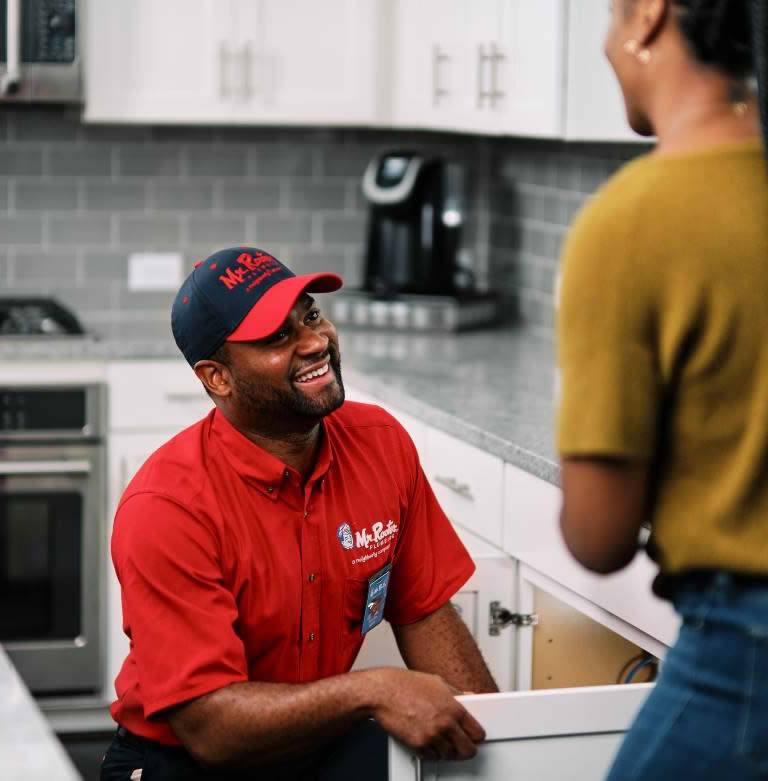

Every home in Bloomingdale depends on steady plumbing to stay comfortable and safe. Small habits make a big difference in how long pipes, drains, faucets, and fixtures last. Many issues start quietly, often from things most homeowners do every day without thinking. Simple upkeep can prevent bigger headaches later. Advice from a trusted plumber in Bloomingdale GA often focuses on easy routines that keep water flowing smoothly and systems working without stress.
Plumbing stays healthier when routine moments at home include a little care. Water temperature, cleaning habits, and what goes down drains all matter. Each small step creates long-term protection. Homes age better when plumbing is treated gently, and minor checks help homeowners avoid major repair bills. The goal isn’t complicated work, just steady habits that protect pipes, drains, and appliances.
Why Simple Maintenance Matters
Plumbing wears down slowly when ignored. Mineral buildup forms quietly. Hidden leaks waste money and damage walls or floors long before anyone notices. Drains narrow as everyday debris gathers inside. Small issues grow when they stay out of sight too long. Basic maintenance stops problems before they form, keeping the home running normally.
Homes in areas with changing weather often see shifting ground, pipe pressure changes, and seasonal expansion and contraction. These simple factors raise the odds of leaks, loose connections, blocked drains, and water heater trouble. Regular care helps homeowners stay ahead of natural changes instead of reacting after damage shows up.
1. Keep Drains Clear with Simple Habits
Drains stay clean longer with a few small habits. Hot water after washing dishes helps flush grease before it cools and sticks to the pipe walls. A drain strainer in kitchen and bathroom sinks keeps hair, food scraps, and small debris from slipping through. Most slow drains start with items that should never enter the plumbing system.
Grease, coffee grounds, eggshells, flour, and sticky food scraps cause thick buildup inside pipes. Even tiny amounts over time create a heavy layer inside drain lines. Instead of rinsing these items down the sink, a trash can or compost bin keeps the plumbing safe. A weekly rinse of hot water and a monthly flush with a mix of vinegar and baking soda helps drains stay fresh and open.
Showers and bathroom sinks benefit from the same routine. Hair traps avoid clog troubles. Bath products like oils and heavy soaps leave residue behind. A quick wipe of the drain area and a monthly hot water flush help prevent early blockages. When drains slow down, early action stops them from turning into backups later.
2. Protect Pipes with Smart Water Temperature Settings
Water heaters set at very high temperatures can damage pipes, create mineral buildup faster, and raise monthly bills. Most homes work best with water heaters set around 120°F. This temperature protects pipes and fixtures, saves energy, and helps extend the heater’s lifespan.
Hot water that is too high also stresses faucet parts, seals, and connectors. Lower settings keep everything running more smoothly. Sediment collects at the bottom of water heaters over time, especially in areas with harder water. A simple flush of the tank once or twice a year helps the unit heat more efficiently and reduces noise or discoloration in the water.
3. Avoid Chemical Drain Cleaners
Chemical drain cleaners may seem like a quick fix, but the damage they cause often shows later. Most store-bought liquids use strong acids that eat away at metal pipes, rubber seals, and joints. Over time, these chemicals weaken plumbing and shorten the life of drain lines.
Natural cleaning mixtures or mechanical tools like plungers and drain snakes are safer options. When buildup becomes too heavy for home tools, professional cleaning methods remove the blockage without harming the pipes. Routine prevention keeps drains clear, reducing the need for harsh chemicals.
4. Watch Water Pressure
Water pressure that is too high wears out plumbing faster than normal. High pressure puts strain on pipes, water heaters, washing machines, and dishwashers. Most homes benefit from pressure levels staying between 40 and 60 psi. A simple pressure gauge from a hardware store connects to an outdoor spigot and gives quick readings.
If pressure is too high, a pressure regulator installed near the main line protects the entire plumbing system. Controlled pressure helps pipes last longer and reduces the chance of leaks or bursts. Regular checks once every few months help homeowners catch pressure problems early.
5. Check for Leaks in Common Trouble Spots
Leaks often hide in places homeowners rarely look. Under sinks, behind toilets, near water heaters, and around washing machines are common places for moisture, drips, or damp spots. A quick check every week helps catch small issues immediately. Even a tiny drip adds large costs to a water bill over time.
Loose connections, worn seals, and old hoses are easy to replace before they break completely. Look for discoloration, rust, soft flooring, water stains, or musty smells. Early detection prevents structural damage to cabinetry, flooring, and walls.
6. Treat Garbage Disposals with Care
Garbage disposals handle light food waste, not heavy or sticky items. Ice cubes help clean the blades, and lemon peels keep odors down. A short burst of cold water before and after grinding food helps move waste smoothly through the drain.
Foods like fibrous vegetables, starchy items, bones, pasta, and large scraps should stay out of the disposal. These items often jam the blades or expand inside pipes. A few minutes of smart use protect both the disposal and the drain system.
7. Maintain Toilets to Avoid Hidden Problems
Toilets face wear from regular use. Simple checks help prevent leaks, clogs, and running water. Lift the tank lid once a month to check the flapper, float, and fill valve. A worn flapper often causes constant running water, raising bills and wasting gallons daily.
Avoid flushing wipes, paper towels, hygiene products, and cotton items. Even “flushable” wipes cause trouble in sewer lines. A mild cleaner keeps the bowl fresh without damaging the plumbing. Toilet clogs often start small, so early plunging helps prevent larger blockages.
8. Keep Outdoor Plumbing Healthy
Outdoor faucets, hose bibs, and sprinkler lines need regular checks. Seasonal changes can create cracks or leaks. Hoses left connected in colder weather trap water inside, which expands and damages fittings. A quick disconnect before colder months helps prevent problems.
Gutters and downspouts also affect plumbing by guiding rainwater away from the home. Clear gutters reduce the chance of water pooling near the foundation, which protects underground pipes. Outdoor maintenance supports the entire indoor system too.
9. Know When a Water Heater Needs Attention
Strange noises, rusty water, slow heating, or sudden cold showers often signal a water heater in need of care. Sediment buildup forces the heater to work harder, raising energy costs. Simple flushing removes much of this debris.
Anode rods inside heaters protect the tank from corrosion. These rods wear down slowly and need replacement every few years. A healthy anode rod helps the heater last much longer. Regular checks improve performance, save energy, and reduce the risk of unexpected failure.
10. Prevent Sewer Line Problems
Tree roots, old pipes, and heavy buildup cause slow drains, gurgling toilets, and strange smells. Early signs appear subtly, often starting with occasional backups or slow drains. Avoid planting trees with aggressive roots near sewer lines. Simple awareness of yard layout helps reduce risks.
A sewer camera inspection once every few years gives homeowners a clear understanding of pipe condition. Cleaning systems regularly prevents emergencies and protects the home from sewage backups.
11. Seasonal Plumbing Tips for Bloomingdale Homes
Bloomingdale’s weather patterns shift between warm seasons and occasional cold spells. Seasonal habits protect plumbing year-round:
Spring
• Check outdoor faucets after winter
• Inspect irrigation systems for leaks
• Clean gutters for better drainage
Summer
• Monitor water usage during high-demand months
• Check pressure relief valves
• Clear bathroom and kitchen drains regularly
Fall
• Flush water heaters
• Disconnect outdoor hoses
• Insulate exposed pipes
Winter
• Keep indoor temperatures steady
• Open cabinet doors during cold nights
• Let a small stream of water run from a faucet to prevent freezing
Seasonal steps reduce avoidable repairs and keep the home running smoothly.
Homeowners Benefit from Consistent Habits
Plumbing performs best when small tasks become part of weekly or monthly routines. Simple steps, checking for leaks, running hot water through drains, cleaning strainers, and monitoring water pressure, protect pipes from early wear. Consistency helps homeowners avoid sudden failures and expensive repairs. Knowing when fixtures start showing problems also helps, and topics like “replace or repair? signs your toilet needs upgrading” remind homeowners to watch for early warning signs before issues grow.
Regular care supports every part of the system, from faucets to outdoor connections. The home stays healthier when plumbing receives steady attention. Issues caught early remain simple and manageable. A little time spent each month creates peace of mind and long-term savings.
Need Reliable Support?
When plumbing issues grow beyond basic maintenance or when deeper help is required, Mr Rooter Plumbing of Savannah offers dependable service and professional solutions for all types of home plumbing needs.
FAQs
1. How often should drains be cleaned at home?
A basic monthly flush with hot water, vinegar, and baking soda helps remove buildup. Heavier cleaning may be needed if drains slow down often.
2. What is the best water pressure for a home?
Most houses perform best with pressure between 40–60 psi. Readings above 70 psi usually require a regulator to protect pipes.
3. How can homeowners prevent clogged toilets?
Only toilet paper should be flushed. Items like wipes, cotton pads, and paper towels cause early blockages.
4. Is a water heater flush necessary every year?
Yes. Flushing removes sediment that collects at the bottom of the tank, helping the heater work better and last longer.
5. What are early signs of a hidden leak?
Common signs include higher water bills, soft flooring, moldy smells, dripping sounds, or small puddles under sinks.
6. Can chemical cleaners damage pipes?
Yes. Many chemicals break down seals and metal over time. Mechanical cleaning or natural mixtures are safer.
7. How often should outdoor faucets be checked?
A quick check every season helps catch cracks, loose connections, or leaks caused by changing weather.
8. What objects should never go down a kitchen drain?
Grease, oil, coffee grounds, pasta, rice, flour, and large food scraps should be kept out of sinks to prevent buildup.
9. How can homeowners protect pipes during cold weather?
Insulate exposed pipes, keep indoor temperatures consistent, and let a small stream of water run during freezing nights.
10. What is a simple way to avoid sewer line issues?
Avoid planting trees with large root systems near sewer lines. Schedule routine inspections to catch wear early.


























Sign in to leave a comment.