
If you’ve noticed your sink draining slower than usual or a foul odor coming from your pipes, you’re not alone. Many Savannah homeowners deal with sluggish or smelly drains, especially in our region’s older homes and humid climate. These problems may start small, but if ignored, they can turn into expensive plumbing headaches. With professional drain cleaning in Savannah, you can quickly eliminate buildup, stop bad odors, and restore smooth water flow before it leads to bigger plumbing issues.
Here’s how you can identify the cause of the issue, fix it fast, and keep your drains flowing cleanly all year long.
Why Drains Slow Down or Start to Smell
Slow or smelly drains are usually caused by one or more of these common culprits:
1. Grease and Food Buildup
Kitchen sinks often collect oils, fats, and food particles. Over time, this buildup coats the inside of your pipes, narrowing them and trapping odors.
2. Hair and Soap Scum
In bathrooms, hair and soap residue combine to form sticky clogs that slow water flow and release musty odors.
3. Bacteria and Biofilm
Warm, moist conditions inside drains create the perfect environment for bacteria growth. This biofilm produces that familiar “rotten egg” or “musty” smell.
4. Blocked Vent Pipes
Your home’s plumbing system uses vent pipes to release sewer gases. If they become clogged with debris or nests, odors can back up into your home.
5. Old or Damaged Pipes
In many older Savannah homes, corroded or cracked pipes can trap debris, leak water, and even let in unpleasant smells from the sewer system.
DIY Fixes for Slow or Smelly Drains
If the problem isn’t too severe, you can often clear or freshen drains with a few simple home remedies.
1. Flush with Boiling Water and Baking Soda
Pour a pot of boiling water down the drain, followed by ½ cup of baking soda. Wait five minutes, then add a cup of vinegar. The fizzing reaction helps loosen grime and neutralize odors. Finish with another flush of hot water.
2. Use a Drain Snake or Plunger
For hair or debris clogs, a basic hand auger or plunger can help dislodge blockages. Be gentle to avoid damaging older pipes.
3. Clean the P-Trap
If odors persist from a specific sink, remove and clean the P-trap under the drain. This curved pipe section often traps grease, hair, or gunk.
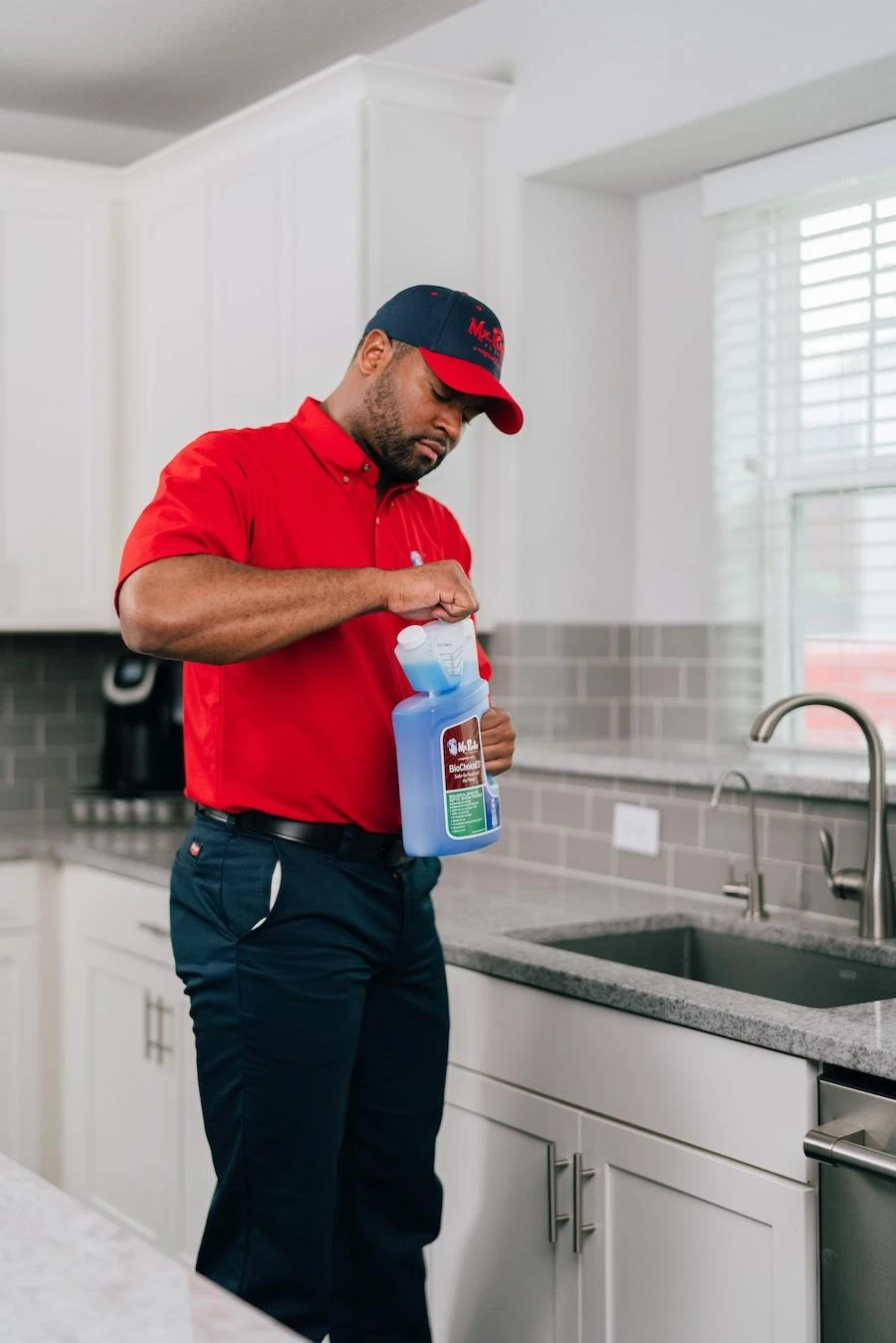
4. Try an Enzyme Cleaner
Instead of harsh chemicals, opt for a biodegradable enzyme-based cleaner. These products use natural bacteria to eat away organic buildup safely.
What NOT to Do
While it’s tempting to reach for chemical drain cleaners, they can do more harm than good. These corrosive products may damage your pipes, harm the environment, and only offer a temporary fix.
If you’ve tried home remedies several times with no lasting results, it’s time to call in a professional.
When to Call a Professional Plumber
Some drain problems go beyond simple clogs. You should contact a professional plumber in Savannah if:
- Drains back up frequently or in multiple fixtures
- You notice gurgling sounds or foul odors throughout the house
- DIY methods only provide short-term relief
- You suspect tree root intrusion or a sewer line issue
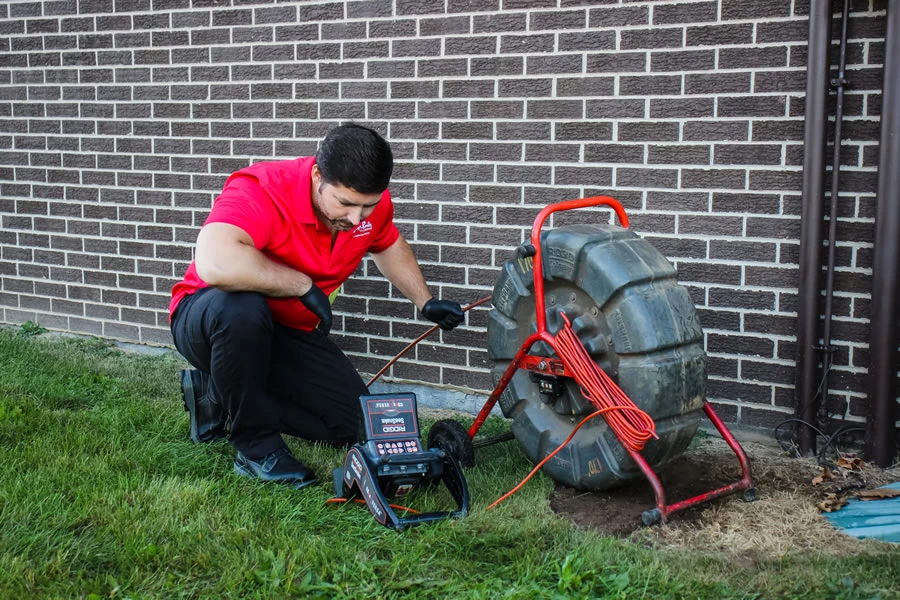
Professional plumbers use specialized tools such as drain cameras, hydro jetters, and high-pressure cleaning systems to identify and remove even the toughest blockages.
How Professionals Fix Stubborn Drain Problems
A trained plumbing technician will first inspect your drain system to locate the source of the problem. Depending on the severity, they might use:
- Snaking or Augering: To remove deep blockages caused by hair, food, or debris.
- Hydro Jetting: A powerful cleaning method that uses pressurized water to blast away buildup without harming your pipes.
- Video Camera Inspection: To detect cracks, leaks, or hidden root intrusion in sewer lines.
- Sewer Line Repair or Replacement: If the issue lies beyond your home’s internal plumbing.
These advanced methods not only clear existing clogs but also prevent future blockages, keeping your drains clean for longer.
Preventive Maintenance for Long-Term Results
You can avoid most drain problems by incorporating these easy maintenance habits:
- Dispose of grease properly instead of pouring it down the sink.
- Use drain strainers in kitchens and bathrooms to catch debris.
- Flush drains monthly with baking soda and vinegar.
- Schedule annual professional drain cleaning to keep pipes in top condition.
Slow drains may start as a minor inconvenience, but they can quickly become a larger plumbing issue if ignored, especially in older Savannah homes. With simple maintenance habits and quick action, you can prevent costly repairs and keep your plumbing system running smoothly.
Final Thoughts
Clogged or smelly drains aren’t just unpleasant, they’re a sign that your plumbing needs attention. Whether you’re dealing with a stubborn clog or recurring odors, timely cleaning and professional inspection can make all the difference. With a few simple steps and the right tools, you can often find a quick fix for a slow sink drain before it becomes a bigger problem. If you’re tired of slow or smelly drains, schedule expert drain cleaning in Savannah today. Call Mr. Rooter Plumbing of Savannah, your trusted local team for fast, friendly, and reliable plumbing solutions!













Sign in to leave a comment.