When it comes to maintaining a home in Savannah, few systems are as crucial, and often overlooked, as your sewer line. It’s out of sight, underground, and rarely thought about until something goes wrong. Yet, when issues arise, they can quickly turn into costly, messy, and even hazardous situations. Understanding the essentials of sewer repair in Savannah services can help homeowners prevent major damage, save money, and keep their property running smoothly.
Let’s dive into ten important things every homeowner in Savannah should know about sewer repair, from early warning signs to prevention tips and professional solutions.
1. Early Warning Signs Can Save You Thousands
One of the biggest mistakes homeowners make is ignoring the early signs of sewer line trouble. Problems rarely appear overnight, most develop gradually. The sooner you recognize them, the easier and cheaper they are to fix.
Common warning signs include:
- Slow-draining sinks, tubs, or toilets
- Gurgling noises when water drains
- Foul sewer odors coming from drains or the yard
- Frequent clogs across multiple drains
- Wet or sunken patches in your yard
If you notice these symptoms, it’s time to call a professional plumber for an inspection. Catching small blockages or cracks early prevents full-scale pipe collapse or sewage backups that could cost thousands in repairs and cleanup.
2. Savannah’s Environment Affects Sewer Lines
Savannah’s charm comes from its historic homes, lush trees, and humid coastal environment—but those same qualities can wreak havoc on your sewer system.
The city’s older neighborhoods often have clay or cast-iron sewer lines, materials that deteriorate with time and moisture. Heavy rainfall and high groundwater levels can shift the soil, causing pipes to crack or misalign.
Additionally, the abundant tree cover, especially live oaks, means roots naturally seek moisture and nutrients from nearby sewer lines. Once inside, roots expand and cause major blockages.
That’s why local knowledge matters when it comes to sewer repair services in Savannah. A local expert understands the soil conditions, root patterns, and seasonal challenges specific to this region.
3. Regular Sewer Inspections Are a Smart Investment
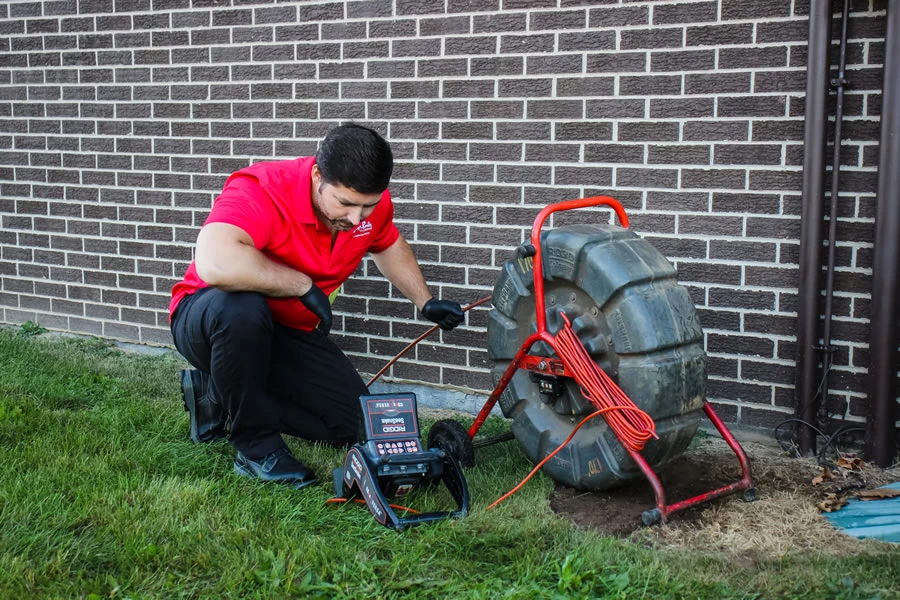
A sewer inspection may not sound exciting, but it’s one of the best investments you can make for your home. Using advanced camera technology, plumbers can snake a waterproof camera through your line to spot cracks, corrosion, root intrusion, and buildup before a major issue develops.
In Savannah, where many homes are 30+ years old, experts recommend scheduling a sewer inspection every 18–24 months.
The benefits include:
- Early detection of hidden problems
- Preventing costly emergency repairs
- Peace of mind before buying or selling a property
- Extending the lifespan of your sewer line
A simple inspection can turn a potential $10,000 replacement into a $300 cleaning or patch repair.
4. Modern Trenchless Technology Minimizes Damage
Gone are the days when sewer repair meant tearing up your entire yard or driveway. Modern trenchless sewer repair methods allow plumbers to fix underground lines with minimal disruption.
Two of the most common techniques include:
- Pipe bursting – The old pipe is broken apart while a new one is pulled into place.
- Pipe lining (CIPP) – A resin-coated liner is inserted and cured inside the old pipe, forming a new, seamless inner wall.
These methods are not only faster but also more environmentally friendly. They require smaller access points, reduce labor costs, and preserve your landscaping, perfect for homeowners who want effective results without property damage.
5. Aging Homes Need Special Attention
Savannah’s historic homes are beautiful but come with plumbing systems that can be decades, sometimes over a century, old. Clay, cast iron, and even Orangeburg pipes (a tar-paper material used in mid-century homes) were once standard but are now prone to cracking, collapsing, or root invasion.
If your home was built before 1980, it’s wise to have your sewer line evaluated. Even if it’s currently functional, an inspection can reveal areas of concern that should be monitored or replaced soon.
Replacing outdated materials with modern PVC or HDPE piping provides a longer-lasting, corrosion-resistant solution that can handle Savannah’s humid climate and shifting soils.
6. Tree Roots Are the Hidden Enemy
Tree roots are one of the most common causes of sewer line blockages in Savannah. They seek moisture and nutrients and easily find their way into even the tiniest pipe cracks. Once inside, they grow rapidly, creating a dense web that traps debris and restricts flow.
Signs of root intrusion include:
- Frequent drain backups
- Gurgling noises in multiple fixtures
- A lush patch of grass over the sewer line
Professional plumbers use specialized tools like root cutters and hydro-jetting systems to remove roots safely. In some cases, trenchless repair can reline the pipe, sealing out future root growth.
To prevent this, avoid planting large trees too close to your sewer lines, and consider installing root barriers if necessary.
7. DIY Fixes Often Make Things Worse
While it’s tempting to grab a bottle of chemical drain cleaner or rent a snake from the hardware store, DIY sewer repairs often cause more harm than good.
Chemical cleaners can corrode older pipes and fail to address deeper clogs or structural issues. Basic drain snakes may only punch a temporary hole through the blockage rather than removing it fully.
A professional plumber uses advanced diagnostic tools and techniques to find and fix the real issue safely. They can assess whether the problem lies in the main sewer line or within your home’s interior plumbing.
When it comes to sewer repair Savannah homeowners should always rely on licensed professionals for lasting results.
8. Sewer Backups Pose Serious Health Risks
A sewer backup isn’t just a plumbing problem, it’s a health hazard. Wastewater contains harmful bacteria, viruses, and contaminants that can spread quickly through your home.
Common causes of backups include root intrusion, heavy rain infiltration, grease buildup, or pipe collapse. When sewage backs up, it can damage floors, walls, and belongings, leaving behind strong odors and potential mold growth.
If you experience a backup:
- Avoid contact with the water.
- Turn off your home’s water supply.
- Call an emergency plumber immediately.
Professional cleanup and disinfection are essential to protect your family’s health and ensure the system is safe to use again.
9. Permits and Codes Matter in Savannah
Sewer repair isn’t just about fixing pipes, it’s also about complying with local regulations. In Savannah, certain types of repairs, replacements, or connections require city permits and must follow municipal plumbing codes.
This ensures safety, environmental compliance, and proper connection to the public sewer system. Hiring a local plumber familiar with Savannah’s permitting process saves time and prevents potential fines.
Professionals handle all paperwork, coordinate with inspectors, and ensure the work meets all legal standards, so homeowners can relax knowing everything is done correctly.
10. Professional Repairs Protect Your Investment
Your home is one of your biggest investments, and the sewer system is a vital part of it. Professional sewer repair offers more than just functional pipes, it provides peace of mind.
Certified plumbers don’t just patch issues; they diagnose the cause, fix it correctly, and provide warranties for their work. This ensures long-term reliability and helps maintain property value.
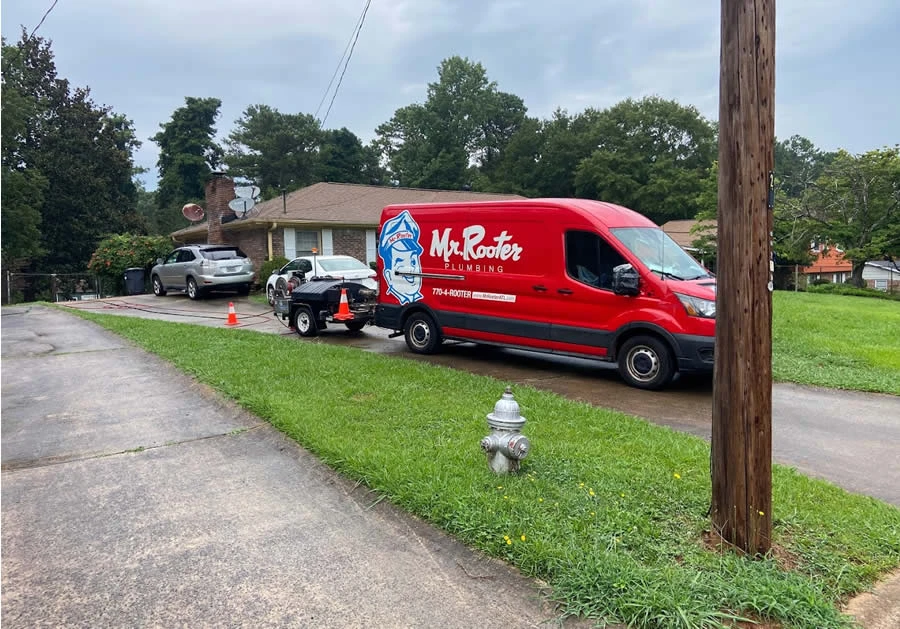
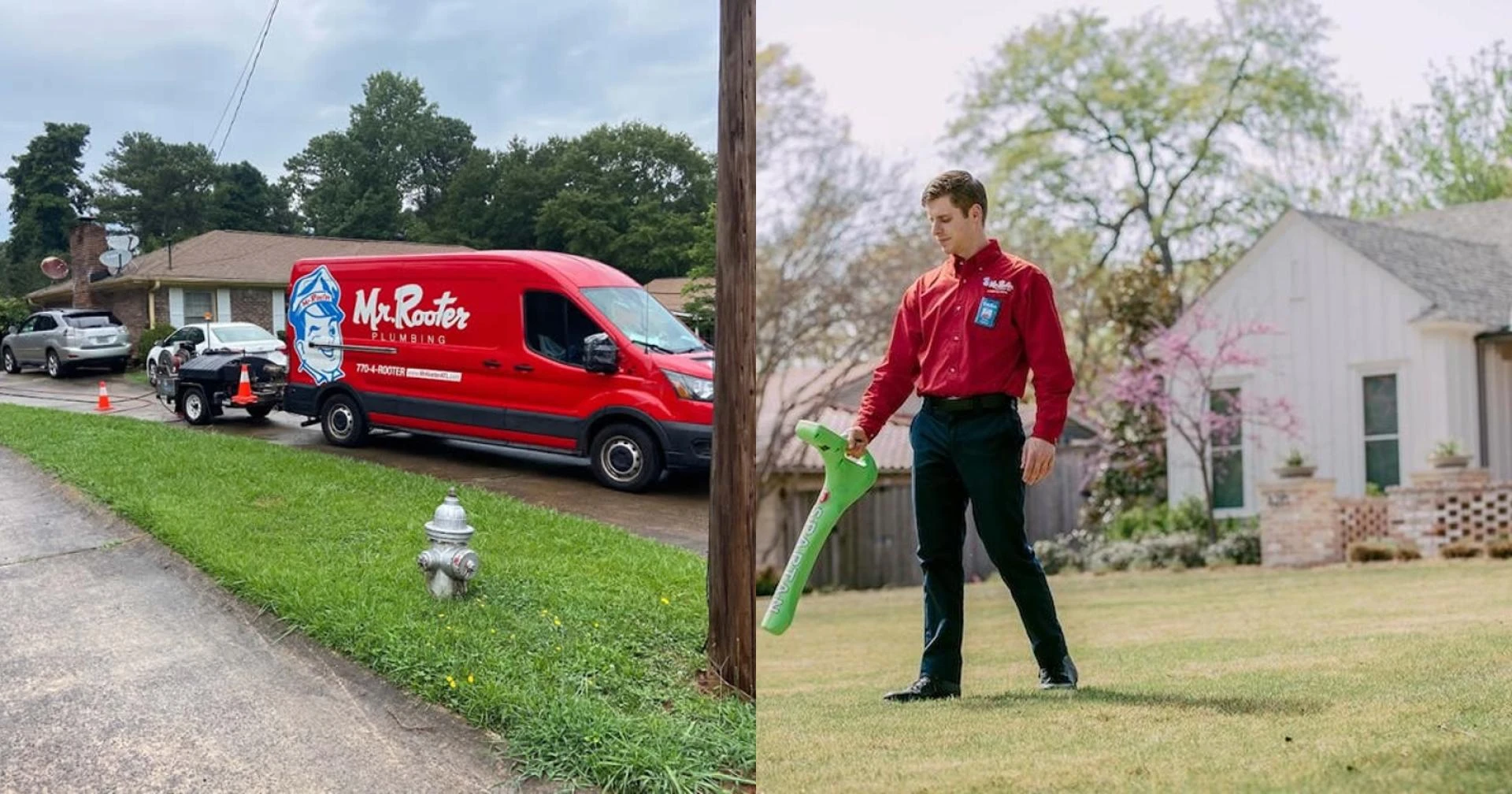
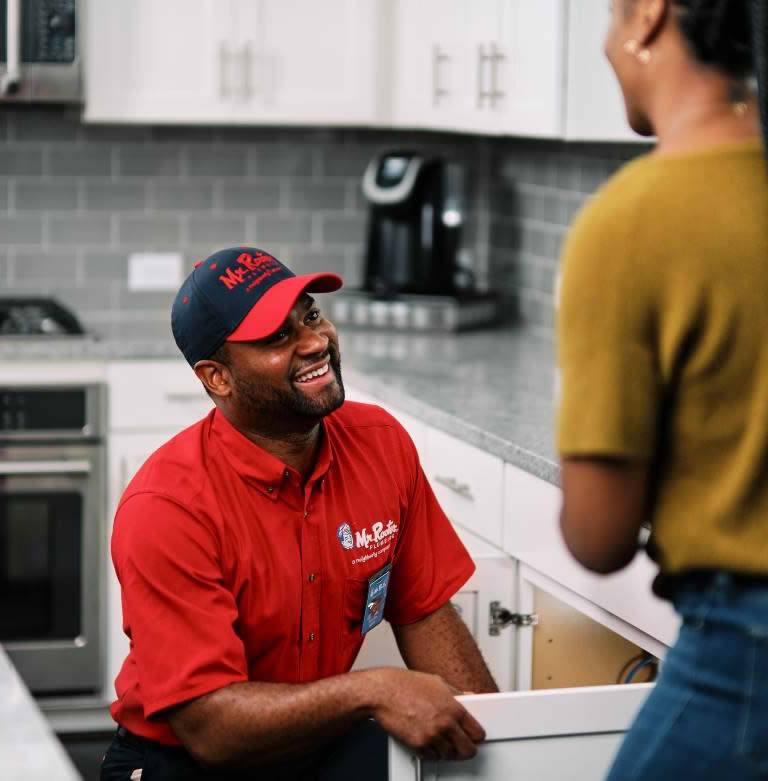
When you choose a trusted local company like Mr. Rooter Plumbing of Savannah, you get expert care, honest pricing, and cutting-edge technology. Their experienced technicians understand Savannah’s unique plumbing challenges and deliver dependable solutions tailored to your home’s needs.
Whether it’s a small clog or a full replacement, professional sewer repair keeps your home safe, sanitary, and worry-free.
Preventive Tips for Homeowners
Beyond repairs, prevention is the best way to avoid future sewer troubles. Here are a few simple steps:
- Schedule regular sewer inspections.
- Avoid flushing wipes, grease, or hygiene products.
- Install a backflow prevention valve if your home is prone to flooding.
- Keep large trees away from sewer lines.
- Fix minor leaks or slow drains immediately.
With these habits, you can extend your sewer line’s lifespan and reduce the risk of costly emergencies.
Frequently Asked Questions About Sewer Repair in Savannah
1. How often should I have my sewer line inspected?
Every 18–24 months is ideal, especially for older homes or properties surrounded by trees.
2. How long does trenchless sewer repair take?
Most trenchless jobs can be completed in a single day, depending on the length and condition of the line.
3. Is sewer repair covered by homeowners insurance?
Coverage varies—most policies don’t cover wear-and-tear but may include sudden damage from events like root intrusion or collapse.
4. How can I tell if my sewer line needs replacement?
Frequent backups, foul odors, and slow drains across multiple fixtures usually point to a damaged main line that may need replacing.
5. Why choose a local company for sewer repair?
Local plumbers understand Savannah’s soil conditions, permitting process, and typical sewer system challenges, ensuring more effective and compliant solutions.
Conclusion
Sewer problems are never convenient, but with the right knowledge and trusted professionals, they’re manageable. Understanding the early signs, local challenges, modern repair methods, and preventive steps can save you stress and money. Whether you’re facing a major backup or simply dealing with sewer smells from your toilet, it’s important to act quickly before small issues become serious ones.
If you suspect a problem or simply want peace of mind, reach out to Mr. Rooter Plumbing of Savannah for expert sewer repair services in Savannah. Their team combines advanced technology with local expertise to restore your home’s plumbing system quickly and efficiently, so you can get back to enjoying the comfort and beauty of your home, worry-free.











Sign in to leave a comment.