Sewer line problems can quickly turn into a homeowner’s nightmare if not addressed promptly. From slow drains to major backups, issues in your sewer line affect both your property and daily life. In Savannah, homeowners face unique challenges due to the region's soil, climate, and aging infrastructure. This blog breaks down common sewer line problems, explains how experts diagnose and fix them, and provides practical tips to keep your sewer system running smoothly. By the end, you'll understand how handle professionals sewer repair in Savannah and what steps you can take to protect your home.
Understanding Sewer Line Problems
Your home’s sewer system is a network of pipes that carries wastewater from your toilets, sinks, showers, and appliances to the municipal sewer or septic system. When a problem arises, it can lead to serious damage, unpleasant odors, and health hazards.
In Savannah, homeowners often encounter specific issues like tree root intrusions, pipe corrosion, and ground shifting due to the region’s clay-heavy soil. Recognizing the early signs of trouble can prevent costly repairs.
Common Signs of Sewer Line Trouble
- Slow Drains: When multiple drains in your home are sluggish at the same time, it’s often more than a clog in a single pipe. This can indicate a blockage further down in the main sewer line.
- Gurgling Sounds: Bubbling or gurgling noises coming from drains or toilets can signal trapped air caused by a partial blockage.
- Sewage Backup: Any sewage coming up in your home is an urgent red flag that requires immediate attention.
- Foul Odors: Persistent sewer smells around your yard or basement suggest a broken or leaking sewer line.
- Lush Spots in the Yard: Surprisingly, extra green or soggy patches in your lawn may indicate a leaking sewer line beneath the surface.
Why Sewer Lines Fail in Savannah
Sewer lines don’t fail overnight. Several factors contribute to their deterioration over time:
Age of Pipes
Older homes in Savannah may still have clay or cast-iron pipes, which are prone to cracking and corrosion. Over decades, these pipes can shift, break, or collapse.
Tree Root Intrusion
Savannah’s lush trees can create hidden damage. Roots naturally seek water and can infiltrate sewer pipes, causing blockages and cracks.
Ground Shifting and Soil Conditions
Savannah has clay-heavy soil that expands when wet and contracts when dry. This movement can stress underground pipes, leading to misalignment or breaks.
Heavy Rain and Flooding
Frequent rainfall can overwhelm sewer systems, causing backups into your home. Clogged storm drains can exacerbate the problem.
How Experts Diagnose Sewer Line Problems
Professional sewer repair in Savannah begins with a thorough diagnosis. Technicians use specialized tools and methods to pinpoint the exact issue without unnecessary digging.
Video Camera Inspections
A small, flexible camera is inserted into the sewer line to visually inspect the interior. This helps identify blockages, cracks, root intrusion, and collapsed pipes. Video inspections reduce guesswork and ensure targeted repairs.
Pipe Locating and Mapping
Technicians can trace the exact path of your sewer pipes, identifying hidden problem areas. This is particularly useful in older homes where original blueprints may be outdated or missing.
Hydro Jetting Assessment
If drains are consistently slow, experts may test using high-pressure water jets to clear and assess blockages. This process can reveal stubborn debris, grease buildup, and mineral deposits.
Solutions for Sewer Line Problems
Once the issue is diagnosed, professionals choose the most effective repair method.
1. Trenchless Sewer Repair
Modern technology allows for repairing or replacing pipes without extensive digging. Techniques include:
- Pipe Lining (Cured-in-Place Pipe): A resin-coated liner is inserted into the damaged pipe and hardened in place, creating a new pipe within the old one.
- Pipe Bursting: A new pipe is pulled through the old one, breaking the damaged pipe outward and replacing it simultaneously.
Benefits of trenchless repair: minimal yard disruption, faster completion, and long-lasting results.
2. Traditional Sewer Repair
In cases of severe damage or complex layouts, conventional excavation may be required. Experts dig to access the damaged section, remove it, and replace it with new piping. While more invasive, this method is sometimes necessary for older or heavily damaged systems.
3. Hydro Jetting and Root Removal
For minor blockages or root intrusion, hydro jetting can clear pipes efficiently. In some cases, roots are removed mechanically, and pipe coatings or liners are applied to prevent future growth.
4. Preventative Maintenance
Regular maintenance is key to avoiding emergency repairs. Experts recommend:
- Periodic video inspections
- Avoiding flushing grease or large solids
- Trimming trees near sewer lines
- Scheduling professional cleanings every few years
Costs and Considerations
Sewer repair costs in Savannah vary depending on the method, pipe condition, and accessibility. While trenchless repair may have a higher upfront cost, it often saves money by reducing labor, landscaping restoration, and property damage. Traditional excavation may be less expensive initially but can require extensive yard restoration. If you find yourself dealing with frequent plumbing issues, it might be time to repipe, as ongoing repairs can quickly add up and affect your home’s plumbing efficiency.
Insurance coverage may apply in certain cases, particularly if damage is caused by sudden failure rather than gradual wear. Homeowners should consult their provider before major repairs.
Additional Tips for Homeowners
- Know Your Sewer Layout: Understanding where your main line runs helps identify problem areas and can save time during repairs.
- Monitor Water Usage: Sudden spikes in water bills can indicate leaks or pipe issues.
- Use Drain Screens: Prevent debris from entering the system and forming blockages.
- Schedule Regular Maintenance: Even if everything seems fine, periodic inspections help catch small problems before they escalate.
Key Takeaways
- Sewer line problems are common but manageable with prompt action.
- Signs include slow drains, gurgling sounds, sewage backups, foul odors, and soggy lawn spots.
- Savannah’s soil, tree roots, and aging pipes contribute to unique sewer challenges.
- Professional diagnosis using video inspections, pipe mapping, and hydro jetting ensures accurate repairs.
- Modern solutions like trenchless repair minimize disruption while providing durable results.
- Preventative maintenance and awareness of your sewer system are crucial for avoiding costly emergencies.
Conclusion
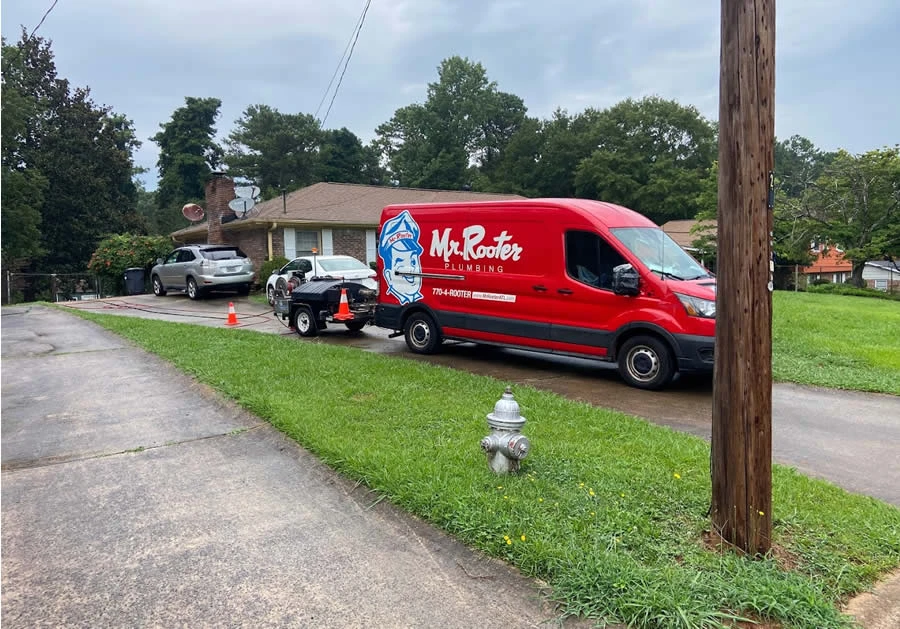
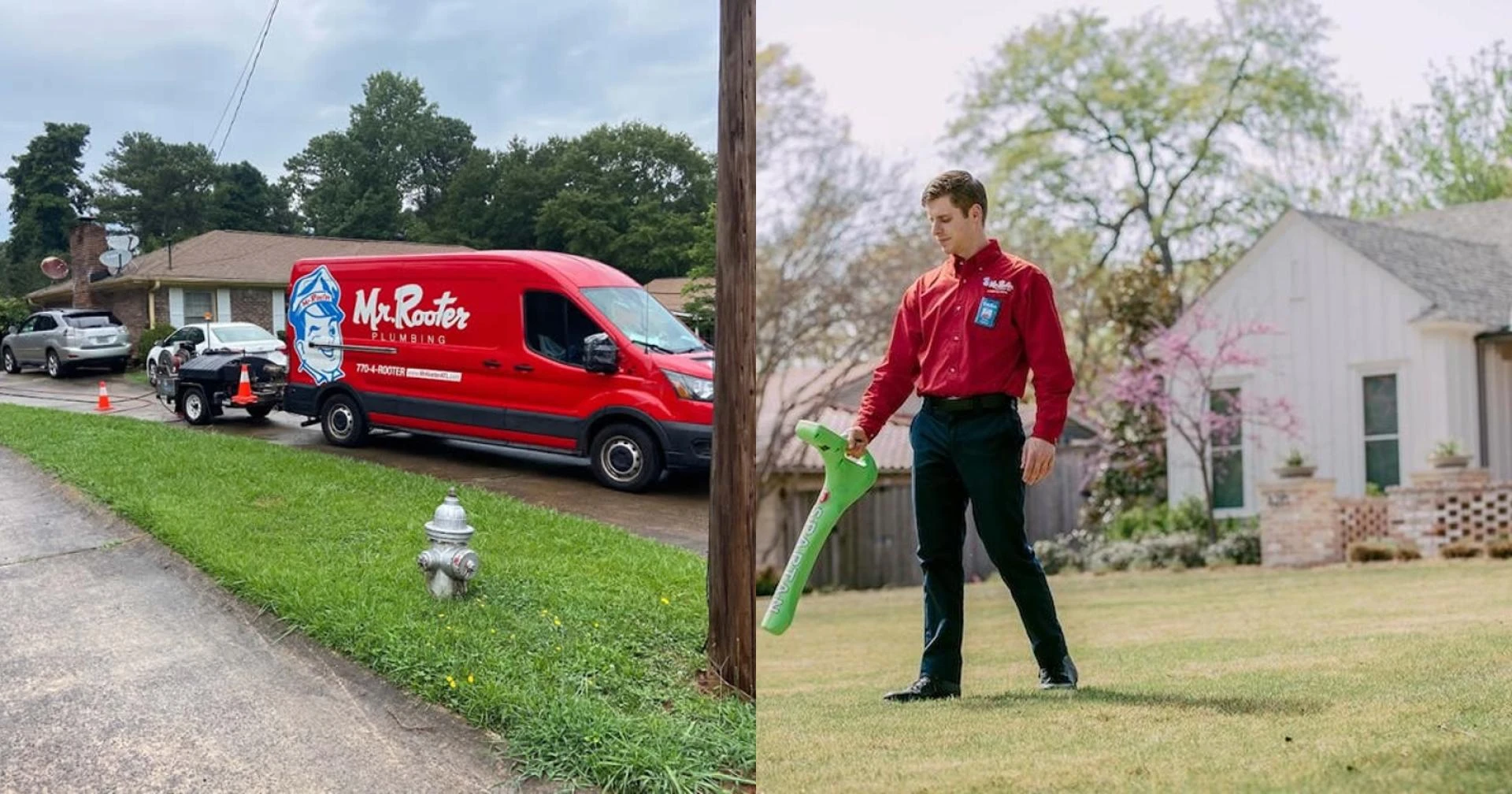
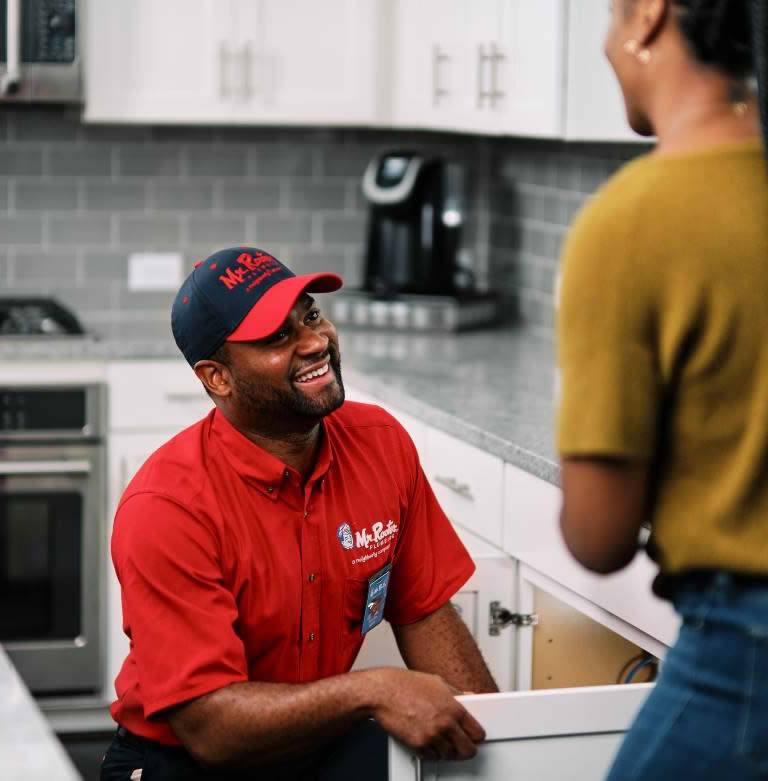
Sewer issues in Savannah don’t have to disrupt your life or damage your property. By recognizing early warning signs, understanding how professionals diagnose problems, and choosing the right repair method, you can maintain a healthy and efficient sewer system. For reliable, efficient, and thorough sewer repair in Savannah, trust Mr. Rooter Plumbing of Savannah. Their team combines modern technology with local expertise to protect your home and restore your peace of mind.
People Also Ask: Common Questions About Sewer Repair in Savannah
How long does a sewer line last?
Most sewer pipes last 50-100 years, depending on material. Clay pipes tend to last 50-60 years, cast-iron around 75 years, and modern PVC can exceed 100 years.
Can tree roots really damage sewer lines?
Yes, roots can infiltrate small cracks and expand within pipes, causing blockages, leaks, and eventual collapse if untreated.
Is trenchless sewer repair safe?
Absolutely. Trenchless methods are designed to minimize property disruption while restoring or replacing damaged pipes. They are widely recognized as safe and effective.
How often should I have my sewer line inspected?
Homeowners should schedule inspections every 2-5 years or sooner if there are signs of trouble like slow drains or foul odors.
Can I prevent sewer line issues?
While you can’t prevent all problems, proper maintenance—like not flushing grease or avoiding planting large trees near sewer lines—can reduce risk.























Sign in to leave a comment.