
Introduction
Earwigs are common insects that many homeowners notice around gardens, patios, and damp areas of their property. While they are not considered dangerous, large numbers of earwigs can become a nuisance. Their presence indoors often causes concern because people are unsure where they came from or how to prevent them from returning.
These insects prefer moist environments and usually remain hidden during the day. They become active at night when they search for food and shelter. Understanding their habits can help property owners reduce the chances of an infestation and maintain a more comfortable living environment.
Learning how earwigs survive, where they hide, and what attracts them is the first step toward effective pest management. With proper prevention and maintenance, it is possible to limit their activity and keep them away from living spaces.
What Are Earwigs?
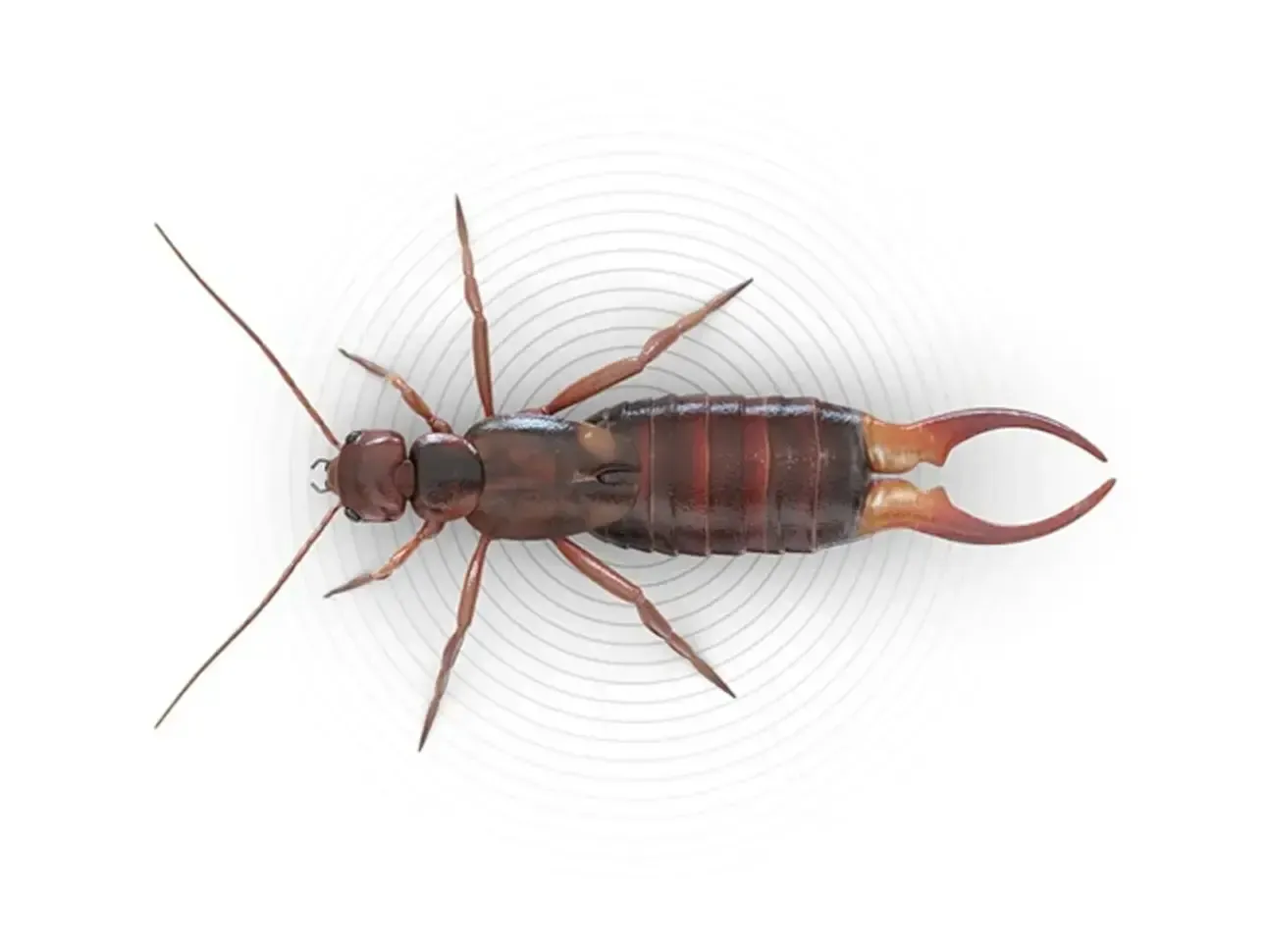
Earwigs are small insects that are easily recognized by the pair of pincers located at the end of their abdomen. These pincers may look intimidating, but earwigs rarely pose any threat to people. They use them mainly for defense, hunting small insects, and protecting themselves from predators.
Most earwigs have a dark brown body and prefer cool, damp environments. They are mainly active during the night and spend daylight hours hidden beneath objects that provide moisture and protection.
Although earwigs are often found outdoors, changing weather conditions or environmental factors can encourage them to move closer to homes and buildings.
Signs of an Earwig Problem
One of the most obvious signs of earwig activity is regularly spotting them around the property. Homeowners often notice them near entryways, patios, gardens, and basement areas.
Earwigs may also be found hiding beneath flower pots, mulch, rocks, and outdoor furniture. In some cases, they enter homes through cracks and openings, especially when outdoor conditions become too dry or too wet.
Garden damage can sometimes indicate a growing earwig population. These insects feed on certain plants, flowers, fruits, and vegetables. Small holes in leaves or damaged seedlings may be signs that earwigs are active nearby.
Finding multiple earwigs indoors over a short period often suggests that outdoor populations are increasing around the property.
Common Places Where Earwigs Hide
Earwigs seek dark and moist locations where they can avoid sunlight and predators. Outdoor environments provide many suitable hiding places.
Mulch beds are among their favorite locations because they retain moisture and provide shelter. Piles of leaves, wood, and yard debris can also create ideal hiding spots.
Around homes, earwigs frequently gather beneath rocks, landscaping materials, and garden decorations. They may hide under outdoor furniture, storage containers, and decks where moisture levels remain high.
Indoors, they are often found in basements, laundry rooms, crawl spaces, and bathrooms. These areas usually offer the damp conditions they need for survival.
Why Earwigs Are Attracted to Properties
Moisture is one of the primary reasons earwigs gather around homes and businesses. Areas with poor drainage, leaking faucets, or excessive watering create favorable conditions.
Dense vegetation near structures can also attract these insects. Overgrown plants provide shade and moisture, making the environment more comfortable for earwigs.
Outdoor lighting may indirectly contribute to earwig activity because lights attract smaller insects that serve as a food source. Earwigs often gather in locations where food is easily available.
Properties with large amounts of organic material such as mulch, compost, and leaf litter may experience higher levels of activity because these materials provide shelter and protection.
Potential Problems Caused by Earwigs
Although earwigs are not known for spreading diseases, they can still create several problems. Large populations may damage ornamental plants, vegetable gardens, and young seedlings.
Gardeners often notice irregular feeding marks on leaves and flowers. While minor damage may not affect plant health, larger infestations can impact the appearance and growth of certain plants.
Inside homes, earwigs can become an unwanted nuisance. Discovering insects in bathrooms, kitchens, or bedrooms can be frustrating for residents. Their presence may also indicate excess moisture issues that should be addressed.
Because earwigs tend to gather in groups, a small problem can quickly become more noticeable if environmental conditions remain favorable.
Effective Prevention Methods
Preventing earwig activity starts with reducing moisture around the property. Fixing leaks, improving drainage, and limiting standing water can make the environment less attractive.
Property owners should regularly inspect gutters and downspouts to ensure water flows away from the structure. Proper drainage helps eliminate damp areas where earwigs thrive.
Landscape maintenance is also important. Trimming vegetation away from the building creates better airflow and reduces moisture retention near foundations.
Removing yard debris, leaf piles, and unnecessary clutter eliminates many of the hiding places that earwigs prefer. Using mulch sparingly and keeping it away from foundation walls can further reduce risk.
Sealing cracks and gaps around doors, windows, and utility openings helps prevent insects from entering indoor spaces.
The Role of Regular Property Inspections
Routine inspections help identify conditions that support earwig activity before populations increase. Homeowners should check both indoor and outdoor areas for signs of excessive moisture and insect activity.
Paying attention to basements, crawl spaces, storage areas, and landscaping features can reveal potential problems early. Monitoring these areas allows property owners to make corrections before infestations develop.
Regular inspections also provide an opportunity to identify structural issues that may allow pests to enter buildings. Addressing these concerns improves overall pest prevention efforts.
Why Professional Earwig Management Can Help
When earwig activity becomes difficult to control, professional pest management services can provide valuable assistance. Specialists understand insect behavior and know where to look for hidden populations.
A thorough inspection can identify contributing factors such as moisture problems, landscape conditions, and structural vulnerabilities. Addressing these factors often produces better long-term results than temporary solutions.
Professional treatment plans focus on reducing current populations while helping prevent future infestations. This comprehensive approach supports ongoing protection and peace of mind.
Frequently Asked Questions
Are earwigs dangerous to humans?
Earwigs are generally not dangerous. They rarely bite people and are mainly considered a nuisance pest.
Why do earwigs enter homes?
They usually enter buildings while searching for moisture, shelter, or protection from changing weather conditions.
Can earwigs damage plants?
Yes. Earwigs may feed on leaves, flowers, fruits, and vegetables, especially when populations become large.
What attracts earwigs to a property?
Moisture, dense vegetation, mulch, leaf piles, and sheltered outdoor areas commonly attract earwigs.
How can I reduce earwig activity around my home?
Improving drainage, reducing moisture, removing debris, trimming vegetation, and sealing entry points are effective prevention methods.
Conclusion
Earwigs may not be the most harmful pests, but large populations can create problems for homeowners and gardeners. Understanding what attracts these insects and where they hide can help prevent unwanted activity. Regular maintenance, moisture control, and early detection play important roles in reducing infestations. For reliable pest management solutions and expert guidance, visit My Pest Exterminator to learn more about protecting your property from common household pests.

























Sign in to leave a comment.