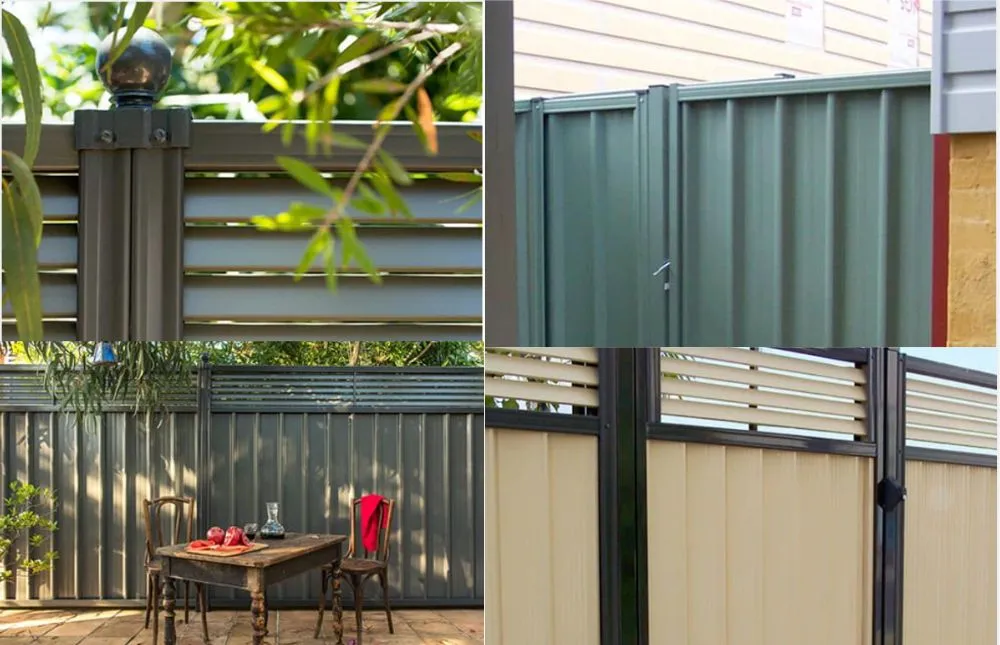
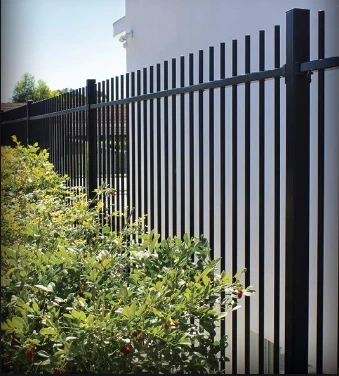
Salt sprays look great on postcards, but not on residential boundary lines at all, where they look absolute hell. Across coastal Australia, wind-borne salinity and brutal UV rays strip paint, warp wood and rot traditional steel footings faster than in inland conditions. Selecting a generic fencing setup without accounting for microclimates means facing a costly replacement job in just a couple of years. Future-proofing a boundary requires looking past initial price tags and understanding local material science.
THINK BEYOND TODAY'S CONDITIONS
One common mistake homeowners make is choosing fence installations based solely on appearance. This is a serious mistake because a timber or aluminium fence looks good when installed, but 5 years later you notice fasteners corroding, the coating fading, and some sections needing repairs. According to the Australian Government's Your Home Guidance, coastal environments are the most aggressive factors that contribute to the super-fast speed of degradation of fence installations across the nation. Materials that perform really well inland will surely struggle when closer to the coastal areas due to airborne salt and moisture. This is where future-proofing becomes important, as it means planning fence installations so they withstand everyday calamities.
ALUMINIUM FENCE SYSTEMS ARE GAINING GROUND
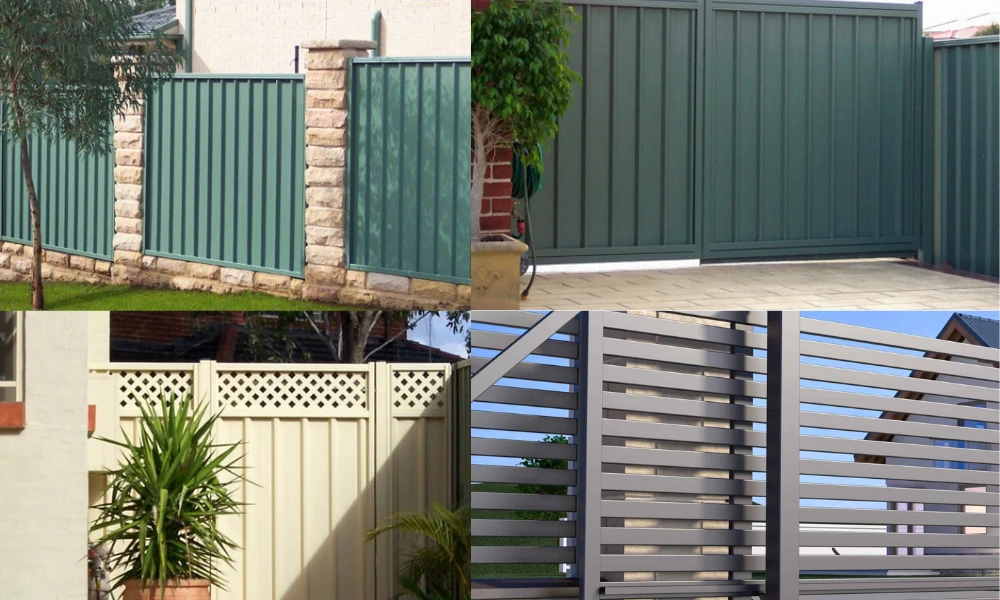
Homeowners living in coastal properties are confident about choosing aluminium fences and consider this metal as a practical option. However, there is a trade-off: the initial cost is higher than that of PVC and timber fence installations. The good thing is that ongoing maintenance is far lower than the other counterparts. Homeowners also take into account the labour cost associated with aluminium fence installations. Top benefits of aluminium fence installations are –
- Resistance to rust
- Lower repainting requirements
- Reduced risk of warping
- Better long-term appearance retention
- Recyclable material options
DON'T UNDERESTIMATE WIND LOAD
One important fact to understand is that not every fencing failure is caused by corrosion. Wind can be a major factor, particularly in coastal regions. Open-style fencing designs often outperform solid panels in exposed locations and coastal regions because they allow airflow to pass through rather than striking and creating excessive pressure. Fence services offered by fence installation experts can be very valuable here. They also understand what works well on sheltered blocks and what suits a property overlooking the coast. These experts also provide a simple future-proofing checklist to property owners getting fencing installed.
- Distance from the coastline
- Prevailing wind direction
- Drainage around fence posts
- Material warranties
- Replacement part availability
- Council requirements
The logic is simple: small decisions here often prevent expensive corrections later.
BETTER HARDWARE CHOICES ARE MANDATORY
Apart from air and corrosion, hardware failure is also a major cause of the premature breakdown of aluminium fence installations or fencing made from other materials. Even if the panels are corrosion-resistant, cheaper screws, hinges, or brackets will deteriorate quickly and fail prematurely.
A PRACTICAL RULE OF THUMB FOR FENCE INSTALLATIONS
For most coastal properties, the strongest decisions are the most boring ones:
- Use an aluminium fence or other corrosion-resistant system where exposure is high.
- Choose coated or marine-suitable fixings, not bargain hardware
- Seal cut edges properly
- Keep dissimilar metals apart where possible
- Allow for inspection and maintenance access
MAINTENANCE STILL MATTERS
Future-proofing fence installations don't mean they become completely maintenance-free. Even with the most premium materials used in manufacturing, these fencing installations benefit from periodic washing that removes entire salt deposits and other elements that contribute towards rusting and premature wearing down. Properties within a few 100 m of the shoreline need maintenance more in the form of frequent hosing. Ignoring basic maintenance can shorten the lifespan of even the most premium aluminium fences.
FAQs
WHAT IS THE BEST FENCING FOR COASTAL AUSTRALIA?
Aluminium fencing is often a strong choice because it handles salt exposure better than many plain steel setups, provided the hardware and finish are also suitable.
ARE FENCING SERVICES WORTH PAYING EXTRA FOR NEAR THE COAST?
Usually, yes. Better fencing services tend to specify the right coating, fixings and spacing for the site instead of just installing a standard product.
DO FENCE INSTALLATIONS NEED SPECIAL HARDWARE IN COASTAL AREAS?
They should. Cheap screws, hinges and brackets are often the first parts to corrode in salty conditions.
HOW LONG SHOULD AN ALUMINIUM FENCE LAST?
That depends on exposure and installation quality. In coastal sites, the finish and fixings often matter as much as the frame itself.
CAN A FENCE BE TOO CLOSE TO THE BEACH?
Yes. NSW coastal guidance notes that structures closer to the beach are more exposed to storm-wave damage.
IS ALUMINIUM FENCE BETTER THAN STEEL NEAR THE OCEAN?
Often, yes. Aluminium has better natural corrosion resistance in many marine settings, though it can still pit under harsh exposure.
WHAT IS THE BIGGEST MISTAKE WITH FENCE INSTALLATIONS ON THE COAST?
Buying for price, then discovering the fixings and coating were not built for salt air.
CONCLUSION
The best coastal fence is usually the one that costs a bit more upfront and a lot less over the next ten years. For a fence that actually suits the site, it is worth comparing materials and finishes before the first post goes in.



























Sign in to leave a comment.