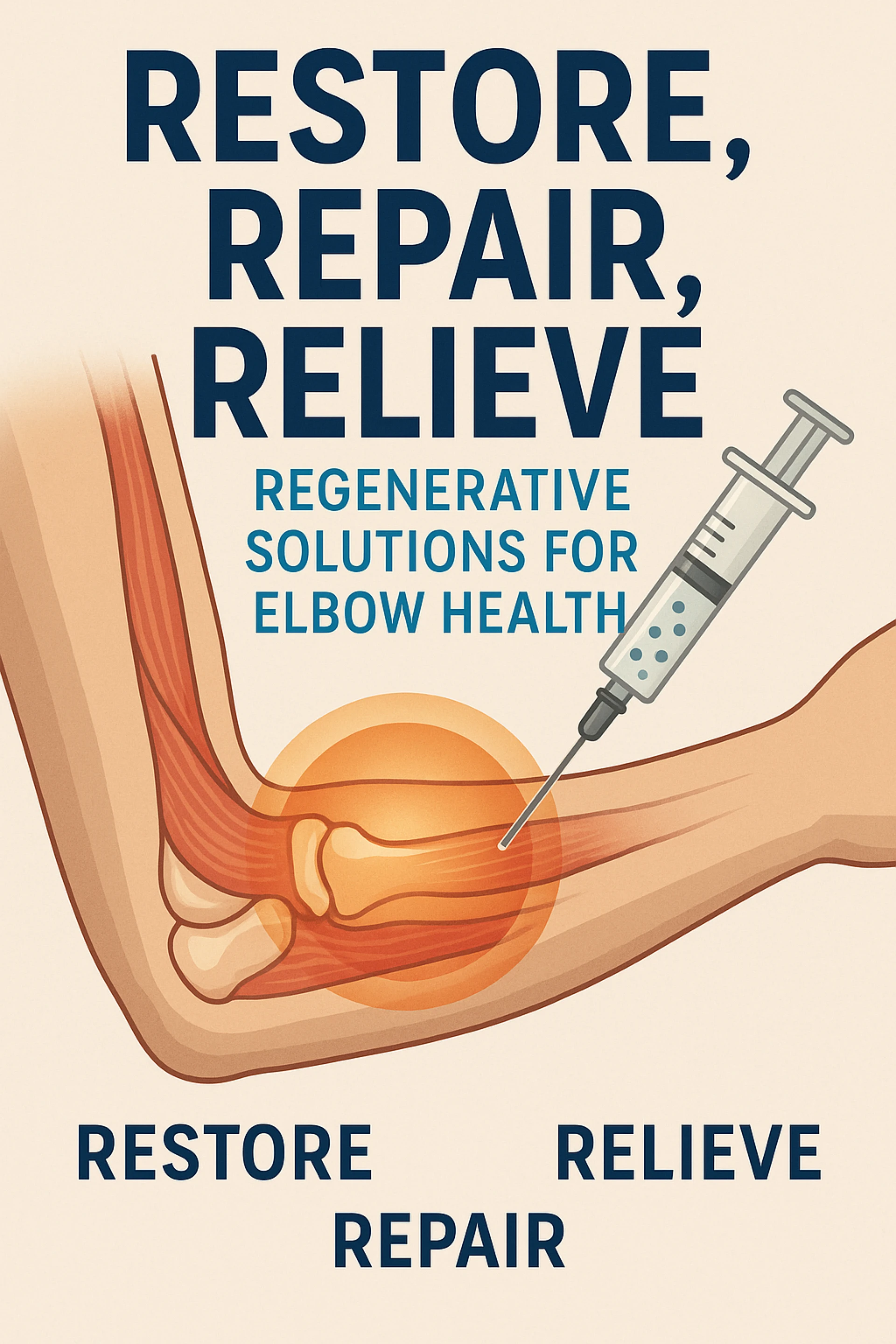

Discover the most effective elbow pain relief strategies for sports professionals. Learn expert tips on prevention, recovery, and long-term elbow health to keep your performance at its peak.
Introduction
elbow joint pain treatment athletics can be a significant hurdle for sports professionals. Whether you're a tennis player, golfer, weightlifter, or baseball pitcher, repetitive motion and strain can lead to debilitating conditions like tennis elbow, golfer’s elbow, and ligament injuries. Finding effective strategies for elbow pain relief is crucial not only for recovery but also for maintaining peak performance. In this article, we’ll explore the best treatments, preventive measures, and long-term care practices to help sports professionals manage and overcome elbow pain.
Common Causes of Elbow Pain in Athletes
Understanding the root cause of elbow pain is the first step toward effective treatment. Common conditions include:
- Tennis Elbow (Lateral Epicondylitis): Caused by repetitive wrist and arm motions.
- Golfer’s Elbow (Medial Epicondylitis): Triggered by overuse of the forearm muscles.
- Ligament Sprains and Tears: Common in throwing sports and heavy lifting.
- Bursitis: Inflammation of the elbow bursa due to trauma or overuse.
- Nerve Compression (e.g., Cubital Tunnel Syndrome): Nerve irritation from repetitive bending.
Identifying the specific cause ensures the most appropriate relief strategy is chosen.
Immediate Pain Relief Techniques
When elbow pain strikes, immediate action can prevent further damage and speed up recovery:
1. Rest and Activity Modification
Taking a break from the activities that caused the pain is essential. Modify your technique or reduce intensity to avoid worsening the injury.
2. Ice Therapy
Applying ice packs for 15–20 minutes every few hours can reduce inflammation and numb the pain.
3. Compression and Elevation
Use an elbow brace or compression sleeve to minimize swelling, and elevate your arm above heart level when possible.
4. Over-the-Counter Pain Relief
Non-steroidal anti-inflammatory drugs (NSAIDs) like ibuprofen can temporarily relieve pain and reduce inflammation.
Long-Term Elbow Pain Management Strategies
For sustained recovery and prevention, sports professionals should adopt these proven strategies:
1. Physical Therapy
A tailored physical therapy program strengthens muscles around the elbow, improves flexibility, and corrects movement patterns that cause strain.
2. Correct Technique and Ergonomics
Working with a coach or trainer to refine technique can significantly reduce repetitive stress on the elbow joint.
3. Gradual Load Increase
When returning to sports, increase intensity gradually to allow the tendons and muscles to adapt.
4. Regular Stretching and Strengthening
Focus on forearm, wrist, and shoulder exercises to create a strong kinetic chain that supports elbow movement.
5. Proper Equipment Use
Using the right gear — such as racquets, gloves, and protective braces — can alleviate unnecessary stress on the elbow.
Advanced Treatment Options
In cases where conservative measures fail, advanced interventions may be necessary:
- Corticosteroid Injections: To rapidly reduce severe inflammation.
- Platelet-Rich Plasma (PRP) Therapy: Stimulates healing using your own blood components.
- Surgical Intervention: Reserved for cases involving significant tendon damage or persistent nerve compression.
Consult a sports medicine specialist to explore these options if elbow pain persists despite initial treatment efforts.
Prevention Tips for Sports Professionals
Preventing elbow pain is far better than dealing with its consequences. Here’s how sports professionals can protect their elbows:
- Warm up thoroughly before activity.
- Cool down and stretch after exercise.
- Cross-train to avoid overuse of specific muscles.
- Maintain a balanced strength program for the entire upper body.
- Listen to your body and address minor pains early.
Also Read: Elbow Ligament Tear: Understanding the Different Types and Their Impact on Your Mobility
Conclusion
Elbow pain doesn’t have to sideline your sports career. By implementing immediate relief techniques, committing to long-term management strategies, and prioritizing injury prevention, sports professionals can stay strong, agile, and pain-free. If you’re experiencing persistent elbow discomfort, consult a healthcare professional for a personalized recovery plan. Take proactive steps today and keep your athletic future bright!




























Sign in to leave a comment.