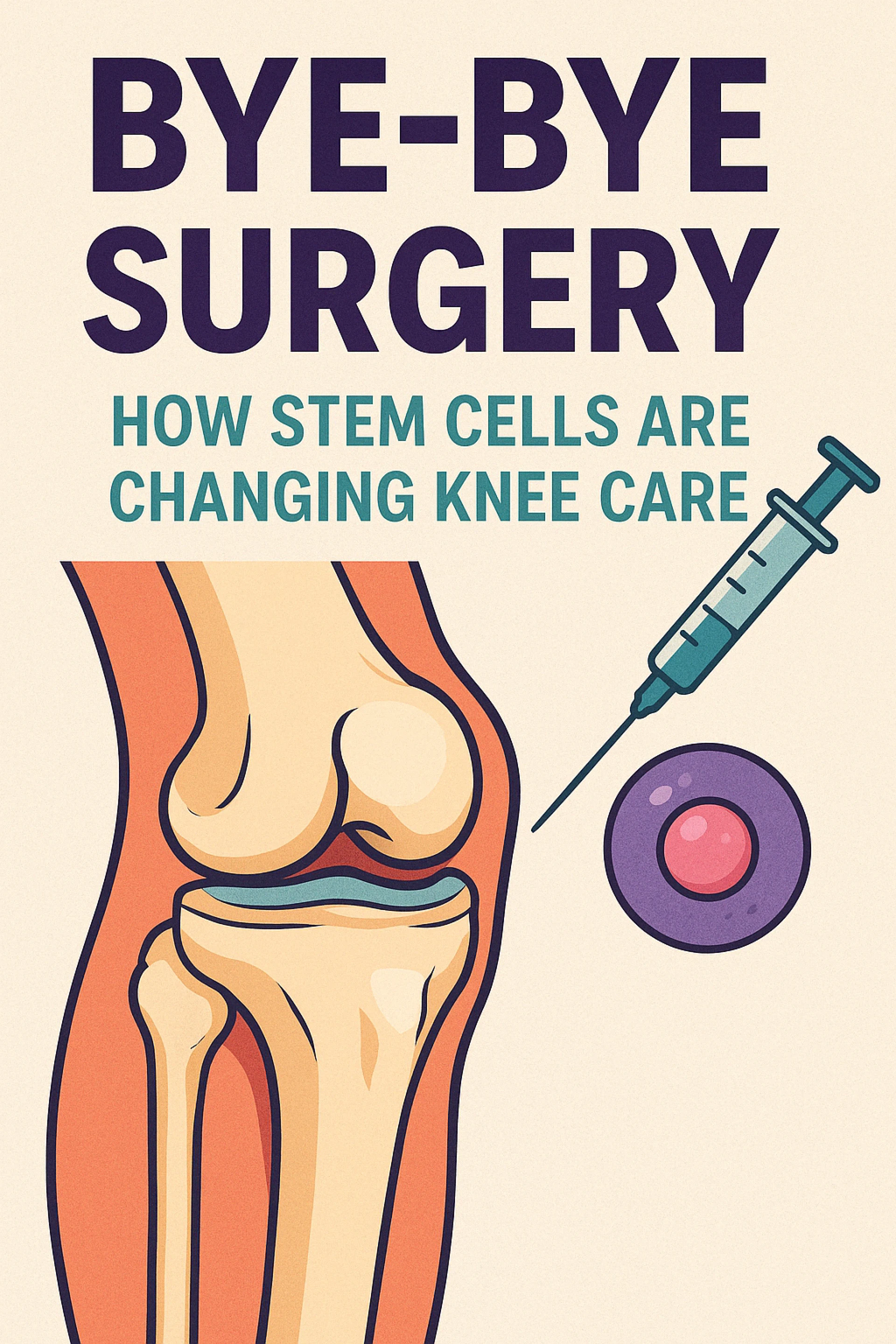
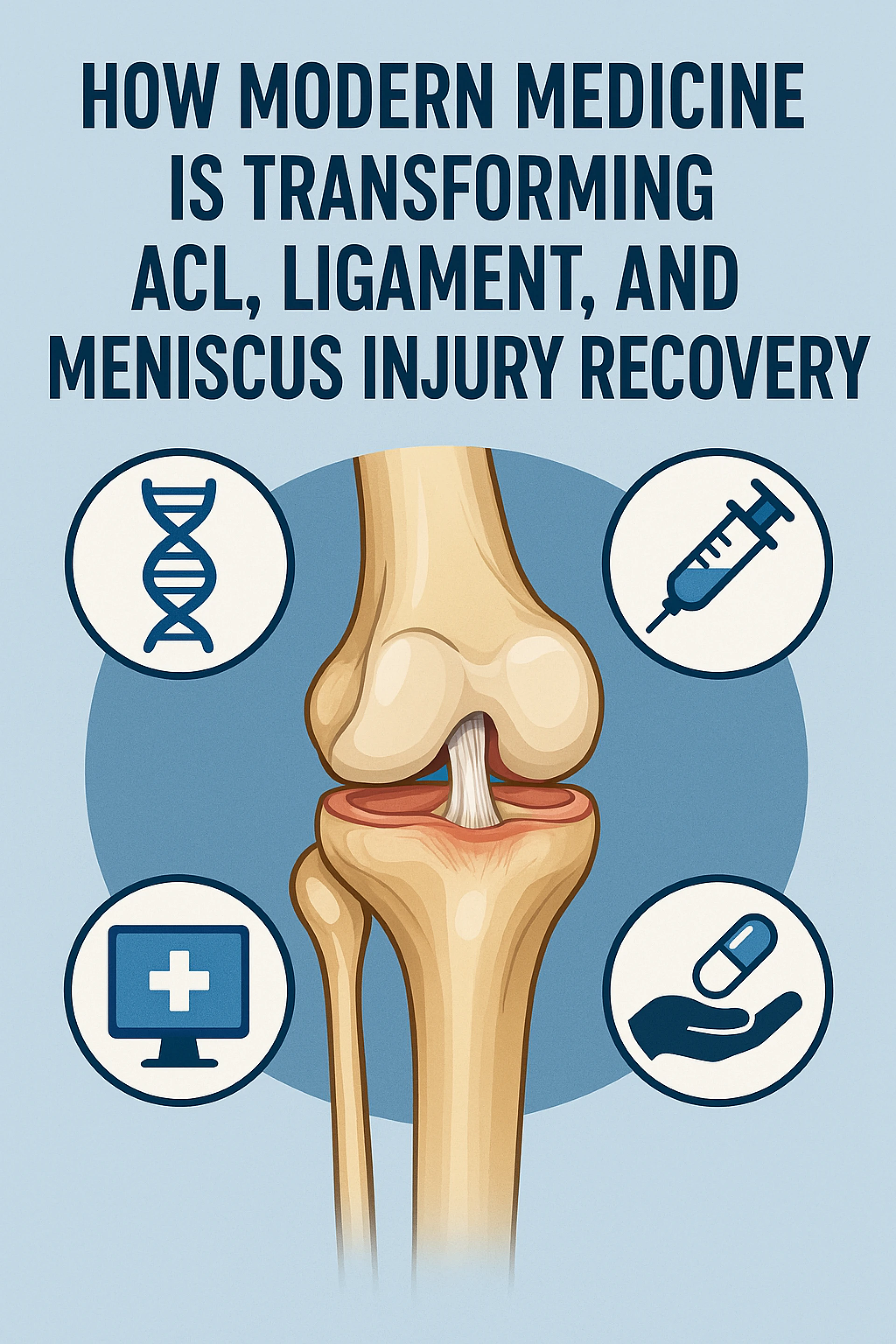
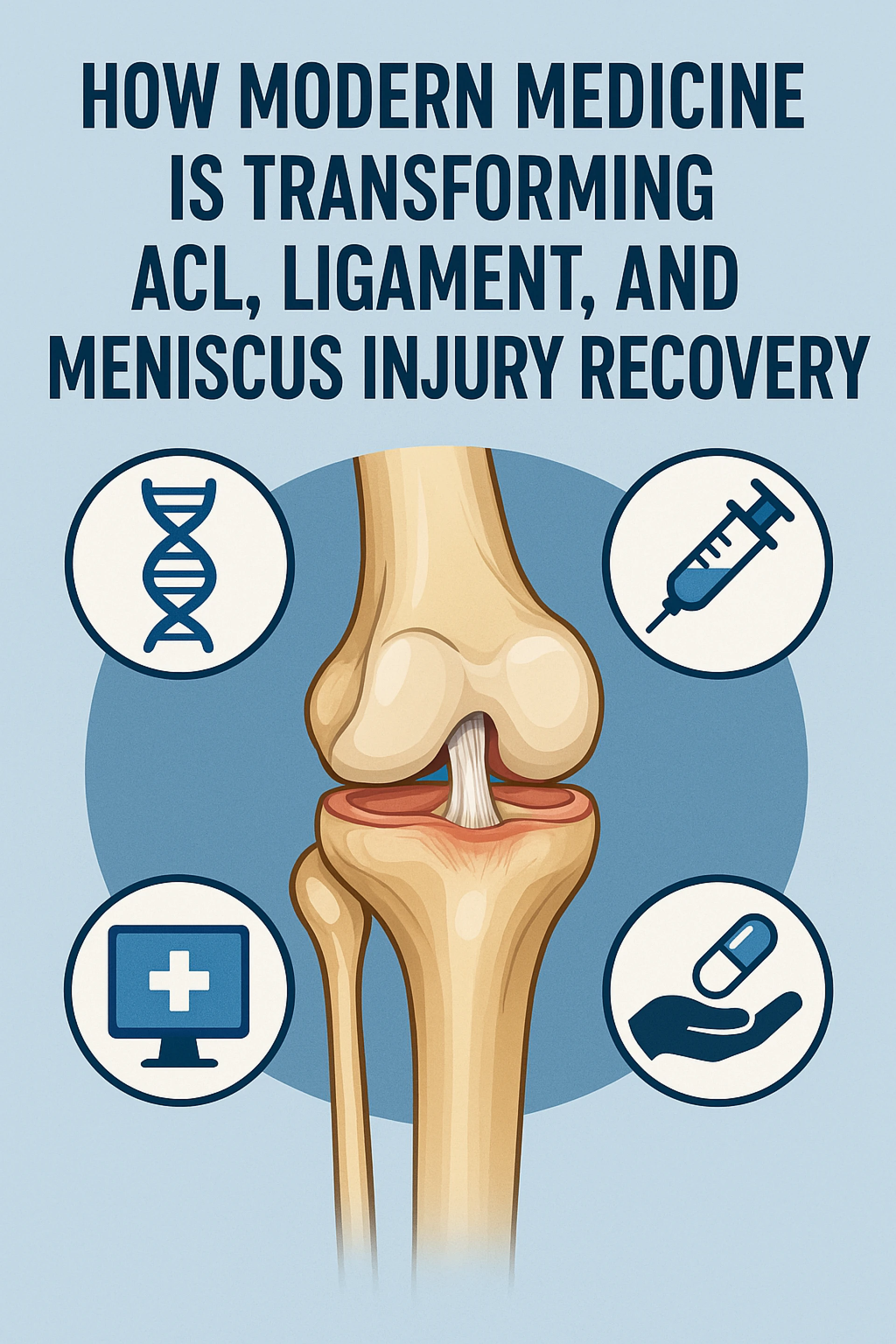
Injuries to the ACL (anterior cruciate ligament), ligaments, and meniscus are among the most common and debilitating conditions affecting athletes, active individuals, and even older adults. Traditionally, treatment options have focused on surgical intervention or prolonged physical therapy. However, regenerative medicine is emerging as a powerful, minimally invasive alternative that supports natural healing and speeds up recovery.
Understanding ACL, Ligament, and Meniscus Injuries
These types of injuries typically occur due to sports-related trauma, sudden twisting movements, or overuse. Here’s a quick breakdown:
- ACL Tears: These affect the stability of the knee, often requiring reconstructive surgery.
- Ligament Injuries: Including MCL (medial collateral ligament) or PCL (posterior cruciate ligament) injuries, which can vary in severity.
- Meniscus Tears: Cartilage damage that can cause pain, swelling, and restricted movement in the knee joint.
Limitations of Traditional Treatments
Conventional treatments, including rest, physical therapy, corticosteroid injections, and surgery, often come with limitations:
- Long recovery times
- Potential for incomplete healing
- Risk of arthritis or further injury
- Surgical complications or failure rates
This has paved the way for newer, cutting-edge treatments through regenerative medicine.
What is Regenerative Medicine?
Regenerative medicine refers to therapies that stimulate the body’s natural healing processes to repair or replace damaged tissues. It includes biologic therapies such as:
- Platelet-Rich Plasma (PRP) Injections
- Stem Cell Therapy
- Exosome Therapy
- Prolotherapy
These treatments can significantly reduce inflammation, enhance tissue regeneration, and improve joint function—often without the need for invasive surgery.
Regenerative Treatments for ACL, Ligament & Meniscus Tears
1. Platelet-Rich Plasma (PRP) Therapy
PRP is derived from a patient’s own blood and contains concentrated platelets rich in growth factors. When injected into the injured area:
- It accelerates tissue repair
- Reduces inflammation
- Promotes collagen production
Ideal for: Partial ligament tears, meniscus damage, post-surgical healing support.
2. Stem Cell Therapy
Mesenchymal stem cells (MSCs), typically harvested from bone marrow or adipose (fat) tissue, have the ability to differentiate into cartilage, bone, and ligament tissues.
- Enhances regeneration of damaged tissues
- May help avoid or delay surgery
- Shown to improve knee function and reduce pain
Ideal for: Chronic ligament injuries, ACL tears, severe meniscus degeneration.
3. Exosome Therapy
Exosomes are small extracellular vesicles that facilitate cell communication and promote healing. Derived from stem cells, they deliver growth factors and proteins to injured tissues.
- Anti-inflammatory
- Accelerates cellular repair
- Enhances PRP or stem cell therapy results
Ideal for: Enhancing results in complex or chronic injuries.
4. Prolotherapy
This involves the injection of an irritant solution (usually dextrose) into the injury site to stimulate a healing response.
- Triggers natural inflammation to promote repair
- Strengthens weak ligaments and tendons
- Often combined with PRP for enhanced results
Ideal for: Chronic ligament laxity, mild to moderate injuries.
Also Read: Knee Ligament Tear: Causes, Symptoms, and Treatment Options
Benefits of Regenerative Medicine for Joint Injuries
- Minimally Invasive: Non-surgical procedures with low risk
- Natural Healing: Uses the body’s own biological materials
- Faster Recovery: Reduced downtime compared to surgery
- Long-Term Results: Potential for durable healing and reduced recurrence
- Outpatient Treatments: Performed in-clinic without hospital stays
Who is a Good Candidate?
Regenerative treatments are suitable for:
- Athletes seeking faster recovery without surgery
- Patients with partial tears or early degenerative changes
- Individuals who want to avoid or delay knee surgery
- People who didn’t respond to traditional physical therapy
A proper diagnosis through MRI, physical examination, and medical history is essential to determine the best approach.
Conclusion
Regenerative medicine is revolutionizing the way we treat ACL, ligament, and meniscus injuries. Whether you're recovering from a sports injury or managing chronic joint pain, therapies like PRP and stem cell injections offer promising results—with fewer risks and a faster return to your active lifestyle.Before deciding on surgery, consult a regenerative medicine specialist to explore these advanced treatment options.





























Sign in to leave a comment.