
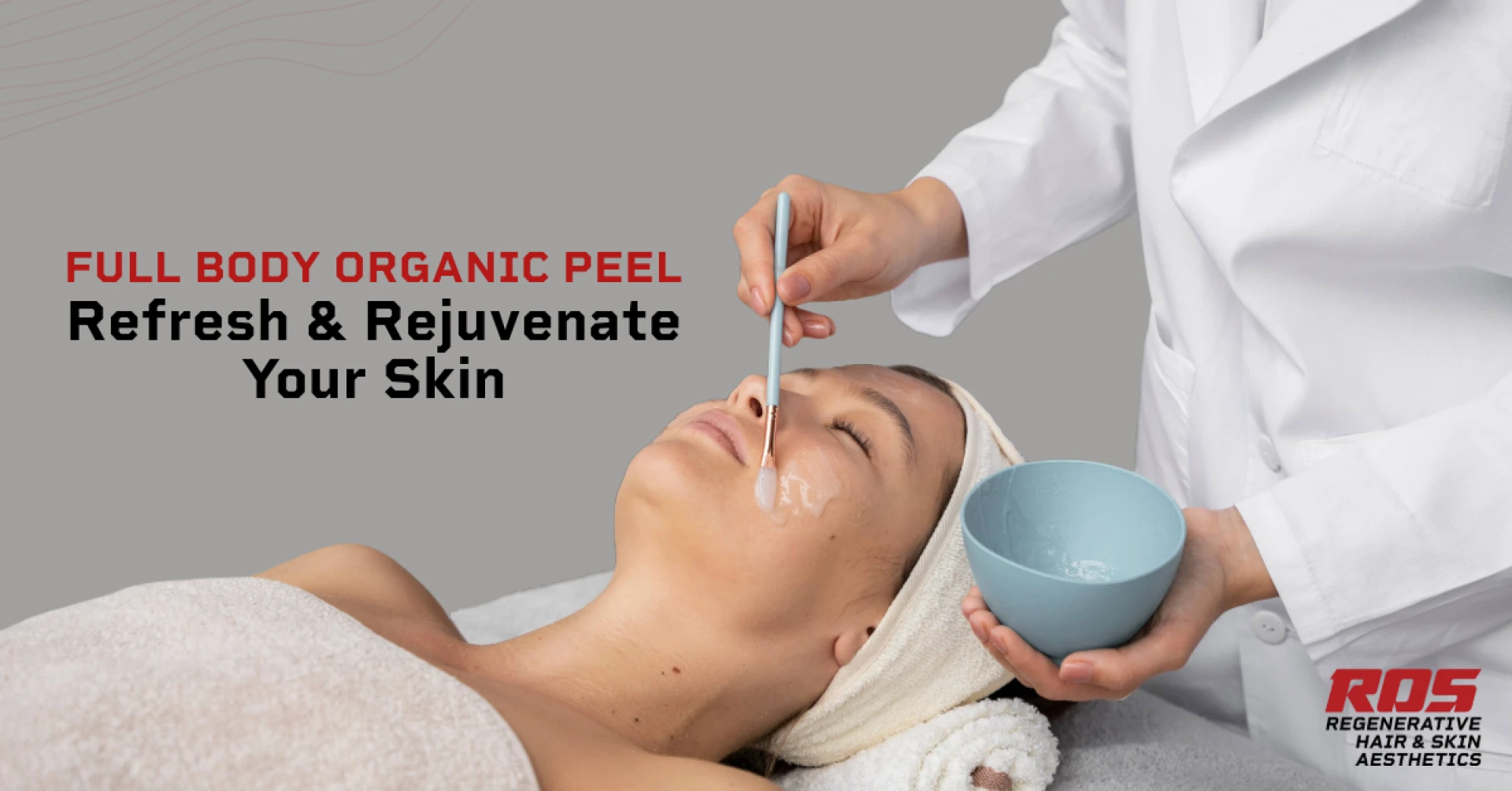

When it comes to achieving healthy, radiant skin, proper skincare is only part of the equation. Dermatology treatments, performed by licensed professionals, offer targeted solutions that go far beyond over-the-counter products. Whether you're battling acne, aging, pigmentation, or other skin conditions, dermatological care can significantly improve your skin's health and appearance.
In this article, we’ll explore how professional dermatology treatments can help you achieve clearer, healthier skin and why they’re a smart investment in your overall well-being.
What Is Dermatology?
Dermatology is a medical specialty focused on diagnosing and treating conditions of the skin, hair, and nails. Dermatologists are trained to identify a wide range of issues—from minor cosmetic concerns to serious medical conditions—and offer personalized treatment plans to restore and maintain skin health.
Benefits of Dermatology Treatments for Skin Health
1. Acne and Blemish Control
Persistent acne can be painful, frustrating, and damaging to self-esteem. Dermatologists can prescribe treatments like topical medications, oral antibiotics, hormone therapy, and in-office procedures such as chemical peels or laser therapy to reduce acne and prevent scarring.
2. Anti-Aging Solutions
Fine lines, wrinkles, and age spots are natural signs of aging, but dermatology treatments can slow their progression. Procedures like Botox, dermal fillers, microneedling, and laser resurfacing rejuvenate the skin, boost collagen production, and restore a youthful glow.
3. Even Skin Tone and Texture
Hyperpigmentation, rosacea, and uneven skin texture can make your complexion appear dull or blotchy. Dermatologists can recommend targeted treatments like IPL (intense pulsed light), chemical peels, or prescription-strength lightening agents to restore balance and clarity to your skin.
4. Skin Cancer Detection and Prevention
Regular dermatology check-ups are essential for early detection of skin cancer. Dermatologists are trained to identify suspicious moles and lesions that may not be visible to the untrained eye. Early detection saves lives and can minimize invasive treatments.
5. Treatment for Chronic Conditions
Chronic skin issues like eczema, psoriasis, and rosacea require expert care. Dermatologists can tailor a treatment plan involving topical therapies, lifestyle adjustments, and oral medications to manage flare-ups and maintain comfort.
6. Personalized Skincare Guidance
Everyone’s skin is different. A dermatologist can evaluate your skin type, assess underlying concerns, and create a customized skincare regimen that optimizes results while avoiding unnecessary irritation.
Popular Dermatology Treatments That Improve Skin Health
- Chemical Peels: Exfoliate dead skin cells and stimulate cell turnover.
- Laser Therapy: Targets pigmentation, redness, and scarring with precision.
- Microneedling: Boosts collagen and improves skin texture.
- Hydrafacial: A non-invasive treatment that cleanses, extracts, and hydrates the skin.
- Photodynamic Therapy (PDT): Treats precancerous spots and severe acne.
When Should You See a Dermatologist?
If you experience persistent skin issues, sudden changes in moles or skin appearance, or you're simply looking to enhance your skin’s health and appearance, it’s time to book a dermatology appointment. Early intervention often leads to better outcomes and prevents long-term skin damage.
Conclusion
Investing in dermatology treatments isn’t just about aesthetics—it’s about your overall skin health. From diagnosing serious conditions to enhancing your complexion, dermatologists provide expert care tailored to your unique needs. With professional treatments and the right skincare strategy, achieving healthy, glowing skin is well within reach.



























Sign in to leave a comment.