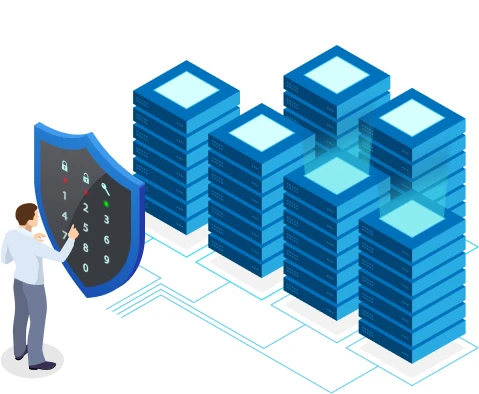

In today's digital age, where online presence is pivotal for businesses, ensuring the security of web applications is of paramount importance. Cyber threats loom large, with hackers constantly devising new tactics to exploit vulnerabilities and compromise sensitive data. In this landscape, Web Application Firewall (WAF) solutions emerge as indispensable tools, offering a shield against a myriad of cyber threats. Let's delve into how WAF solutions simplify security measures, providing businesses with effortless protection against evolving threats.
Understanding Web Application Firewalls (WAFs):
At its core, a Web Application Firewall (WAF) is a security solution designed to protect web applications from a variety of cyber threats, including but not limited to SQL injection, cross-site scripting (XSS), and distributed denial-of-service (DDoS) attacks. Unlike traditional firewalls that focus on network traffic, WAFs operate at the application layer, scrutinizing incoming traffic and filtering out malicious requests before they reach the web application.
Effortless Protection:
One of the primary benefits of WAF solutions is their ability to provide effortless protection for web applications. Unlike manual security measures that require constant monitoring and intervention, WAFs operate autonomously, analyzing traffic in real-time and blocking malicious activity without the need for human intervention. This automated approach not only enhances security but also frees up valuable resources, allowing businesses to focus on their core operations without compromising on security.
Comprehensive Threat Protection:
WAF solutions offer comprehensive protection against a wide range of cyber threats, including known vulnerabilities as well as zero-day exploits. By leveraging advanced heuristics and machine learning algorithms, WAFs can detect and mitigate emerging threats in real-time, ensuring that web applications remain secure against evolving attack vectors. Additionally, WAFs can provide granular control over incoming traffic, allowing businesses to enforce security policies tailored to their specific needs.
Scalability and Flexibility:
Another key advantage of WAF solutions is their scalability and flexibility. Whether you're running a small-scale website or managing a complex web infrastructure, WAFs can scale to accommodate your needs. With cloud-based WAF solutions, businesses can easily adjust capacity to handle fluctuations in traffic and scale resources on-demand, ensuring optimal performance and security at all times.
Streamlined Compliance:
In today's regulatory landscape, compliance with industry standards and data protection regulations is non-negotiable. WAF solutions can streamline compliance efforts by providing features such as logging, monitoring, and reporting, allowing businesses to demonstrate adherence to regulatory requirements. By implementing WAF solutions, organizations can mitigate the risk of data breaches and fines associated with non-compliance, safeguarding both their reputation and bottom line.
Conclusion:
In conclusion, Web Application Firewall (WAF) solutions offer businesses a robust and effortless means of protecting their web applications against a myriad of cyber threats. By leveraging advanced techniques such as real-time traffic analysis, machine learning, and granular access controls, WAFs provide comprehensive security without compromising on performance or scalability. As cyber threats continue to evolve, WAF solutions remain an essential component of any organization's security posture, ensuring that web applications remain secure and resilient in the face of emerging threats.



























Sign in to leave a comment.