
Electrical issues don’t just trip fuses—they trip up your whole life. Whether it’s flickering lights, short circuits, or a mysterious burning smell behind the walls, one thing’s for sure: when your wiring is outdated, your home is at risk. Welcome to the no-fluff guide every Sydney homeowner needs on Electrical Rewiring.
Why Electrical Rewiring Should Be a Priority
We renovate kitchens. We replace flooring. But we tend to forget what’s behind the walls—the wiring that powers everything.
Electricity isn’t something you see, so it’s easy to ignore. But old, worn-out wiring is a fire hazard. It’s also inefficient, overloaded, and often completely non-compliant with today’s safety codes.
Sydney homes built before the early 1990s were never meant to handle modern appliances, gaming setups, home offices, or electric vehicle chargers. That’s why so many of them desperately need rewiring—and most homeowners don’t even know it.
What Exactly Is Electrical Rewiring?
Rewiring is the process of removing your old electrical cables, outlets, switches, and distribution board—and replacing them with modern, compliant components.
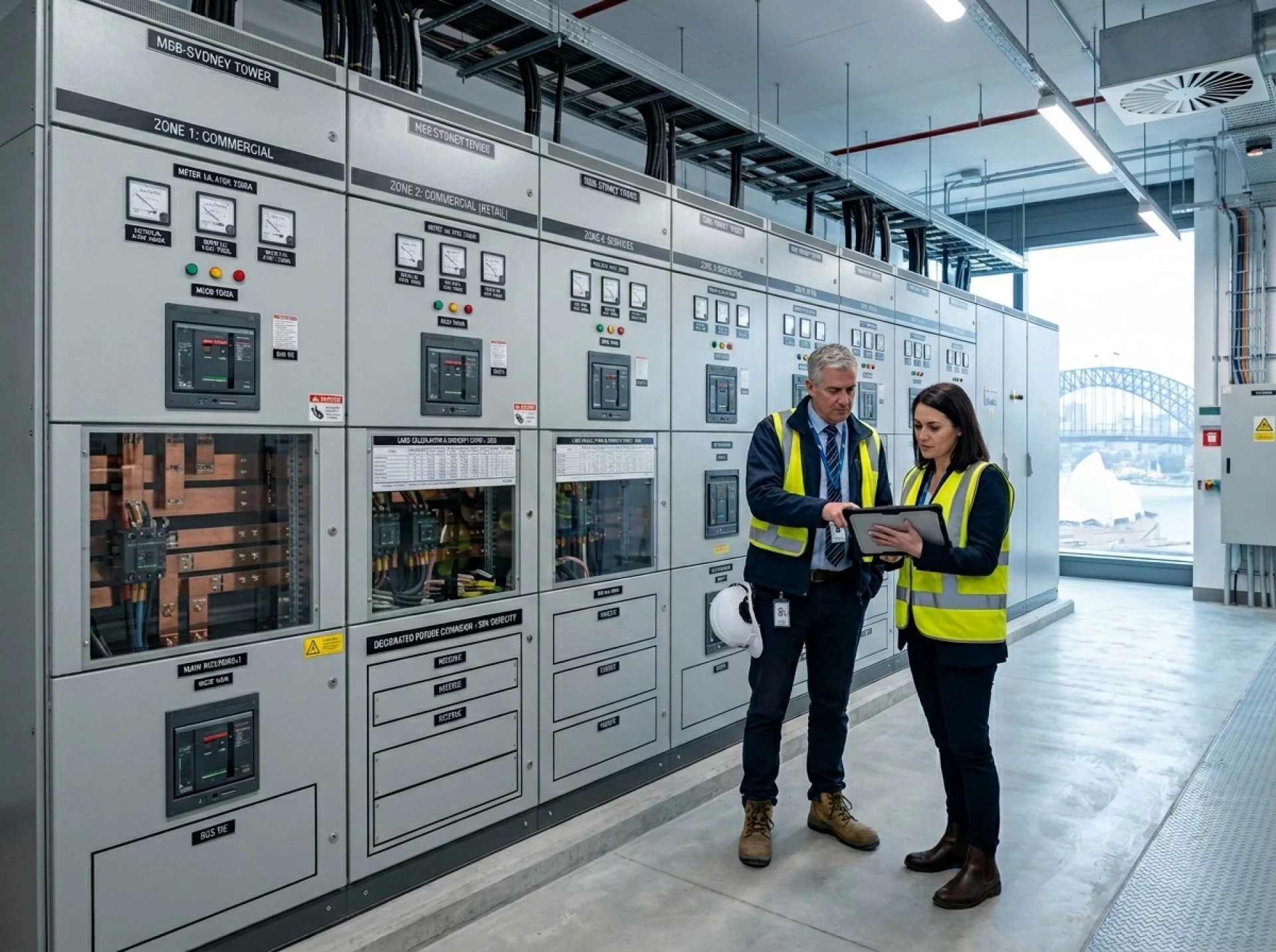
It sounds simple, but it’s a serious job. It involves cutting access into walls and ceilings, replacing switchboards, updating safety switches, and ensuring the entire property meets Australian Electrical Standards (AS/NZS 3000).
This is not a quick-fix service. It’s a full-scale upgrade to your home’s power foundation.
Common Warning Signs That Your Home Needs Rewiring
Let’s get straight to the symptoms. If you experience any of these, stop waiting and start acting:
- Fuses constantly blowing
- Lights dimming when using high-powered devices
- Discolored or cracked outlets
- Electric shocks from switches
- A burning smell with no clear source
- Switchboard older than 20 years
- No safety switches (RCDs) installed
- Sockets with two prongs (un-earthed)
Most of these problems aren’t minor—they’re early warning signs of catastrophic failure.
The Real Cost of Delaying Rewiring
Ignoring your wiring won’t make it safer. In fact, every year you wait increases the odds of:
- House Fires: One of the leading causes of residential fires is faulty wiring.
- Insurance Issues: If your home’s electricals aren’t up to code, insurers might deny your claims.
- System Failures: Power outages become common, and your devices pay the price.
- Decreased Home Value: Smart buyers in Sydney are getting savvy. They check electricals.
Waiting doesn’t save money. It compounds the risk—and the eventual repair bill.

How the Electrical Rewiring Process Works
Thinking it’ll destroy your house? Think again. A skilled team will get it done efficiently and cleanly with minimal disruption.
Step 1: Full Inspection & Quoting
Your electrician inspects your current wiring, tests circuits, and identifies hazards. You’ll get a detailed quote outlining exactly what needs to be replaced and why.
Step 2: Disconnect & Access
The power is shut off in sections. Wall panels are removed where needed. Cabling routes are planned for maximum efficiency.
Step 3: Replacement
Old wiring is removed, and new cabling is run throughout the home. All sockets, switches, and circuit breakers are replaced with compliant versions.
Step 4: Switchboard Upgrade
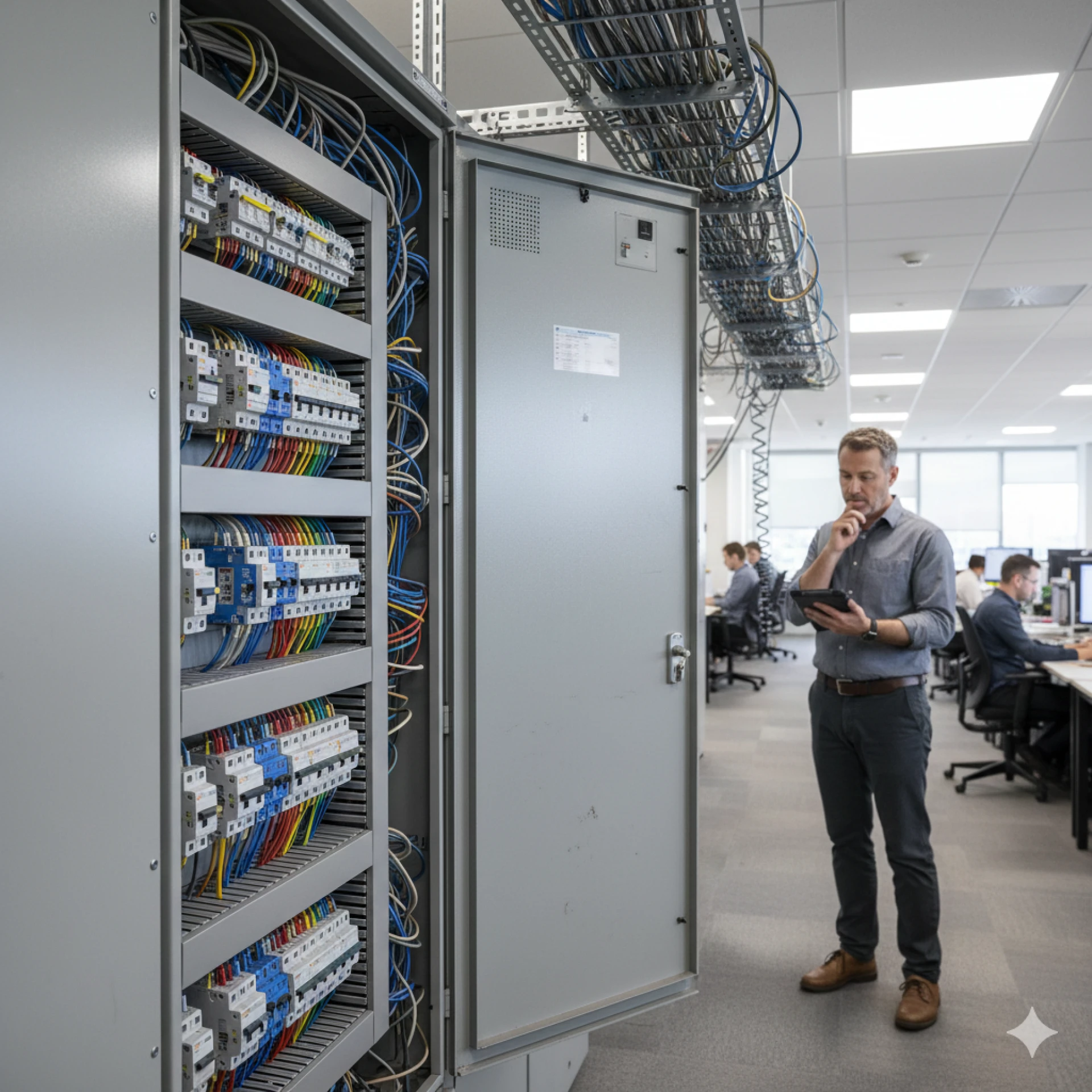
A modern switchboard is installed to handle current power needs and future upgrades like solar or EVs.
Step 5: Safety Testing & Certification
Once rewiring is complete, everything is tested. You’ll receive certification confirming your home now meets legal safety standards.
Modern Wiring = Modern Living
Electrical rewiring isn’t just about avoiding hazards. It’s about upgrading your entire way of living.
Better Energy Flow
New circuits reduce the load on individual outlets. Your appliances run smoother and more efficiently.
Smart Home Compatibility
Thinking of installing smart lights, thermostats, or home automation systems? You’ll need the infrastructure to support it.
Lower Energy Bills
Modern wiring reduces resistance and energy loss. Over time, you’ll notice savings that add up.
Property Resale Boost
Buyers pay attention. A rewired home is more attractive, safer, and easier to insure.
The Right Time to Rewire
So when should you do it? Here are a few ideal windows:
- During major renovations
- When buying a home (before moving in)
- Before installing solar panels or EV chargers
- If your home hasn’t been inspected in 25+ years
Waiting until after a kitchen or bathroom reno to address the wiring means tearing up brand-new work. Don’t double-handle it—rewire first.
How Much Does Electrical Rewiring Cost in Sydney?
This depends on your home’s size, layout, and access points. But here’s a ballpark breakdown:
- 1–2 bedroom unit: $3,000–$5,000
- 3-bedroom house: $6,000–$10,000
- Larger homes: $10,000+
Other factors influencing price include:
- Type of walls (brick, timber, plasterboard)
- Whether ceilings are accessible
- Number of circuits needed
- Smart or specialty power points
Keep in mind: this is a one-time investment that lasts decades. And when you choose qualified experts like those at Electrical Rewiring, you ensure it’s done right the first time.
Choosing the Right Electrician
Not every sparky is cut out for full-scale rewiring. Here’s what to look for:
- Licensed & insured
- Experience with full residential rewiring
- Clear, upfront quoting
- Compliance knowledge
- Respect for your home and schedule
Ask for references. Look at their past jobs. And don’t just chase the lowest quote—cheaper often means shortcuts.
What About Partial Rewiring?
Not ready for a full overhaul? Partial rewiring is a solid option for some.
Maybe only part of your home is affected—say, the second floor or the kitchen. An electrician can isolate and update only those sections. It won’t solve all future issues, but it can buy time and eliminate the most urgent risks.
This can be a staged approach—room by room, floor by floor.
How Long Will It Take?
Most rewiring projects take between 3 to 10 days. During that time, your electrician may work room by room to minimize disruption.
You can often stay in the home while it’s being done. But for larger projects, temporary accommodation may be worth considering—especially if you work from home or have young kids.
Rewiring and Compliance in Sydney
Electrical rewiring isn’t just a suggestion—it’s required if your system doesn’t meet Australian standards.
NSW law mandates safety switches (RCDs) on all power and lighting circuits in residential homes. Your switchboard must also comply with AS/NZS 3000 standards.
Failing to meet these? You could face insurance issues or legal consequences in case of an incident.
Your Home Deserves Safe, Reliable Power
You wouldn’t drive a car with faulty brakes. So why live in a house with faulty wiring?
Electrical rewiring isn’t glamorous, but it’s one of the most important upgrades you’ll ever do. It makes your home safer, more efficient, and ready for the future.
Final Thoughts: Rewire Once, Relax for Decades
There’s peace of mind in knowing your home is powered safely. No flickering lights, no burnt outlets, no risks behind the walls. Just stable, reliable energy where and when you need it.
If your Sydney home hasn’t been rewired—or even inspected—in 25 years or more, it’s time to act. Call a licensed professional and get your home the power upgrade it deserves.
Don’t wait until something sparks disaster. Future-proof your home today.





























Sign in to leave a comment.