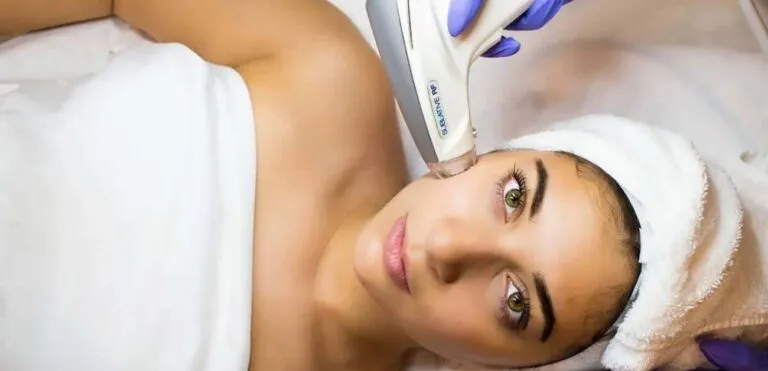

In modern skin rejuvenation, two popular procedures often come up in comparison: traditional laser resurfacing and fractional radiofrequency-based technologies. Among them, ematrix treatment has gained attention for its ability to improve skin texture, scars, and wrinkles with a different energy approach than lasers. While both aim to renew the skin and stimulate collagen, their methods, recovery profiles, and ideal candidates can differ significantly.
Understanding these differences helps you choose a solution that aligns with your skin concerns, sensitivity level, and downtime expectations.
What Is eMatrix Treatment?
A non-laser skin resurfacing approach
eMatrix treatment is a fractional radiofrequency (RF) procedure designed to remodel the deeper layers of the skin without relying on traditional light-based laser energy. Instead of targeting pigment or surface color, it delivers controlled RF heat beneath the skin’s surface.
This heat stimulates natural collagen and elastin production, gradually improving:
- Acne scars
- Fine lines and wrinkles
- Uneven skin texture
- Enlarged pores
- Mild skin laxity
Unlike many aggressive resurfacing options, this approach focuses on controlled dermal remodeling rather than surface ablation.
What Is Laser Resurfacing?
Light-based skin renewal technology
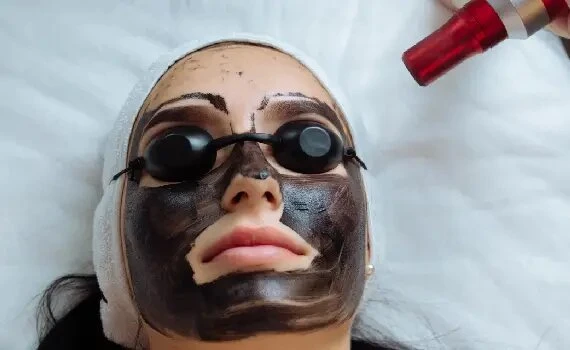
Laser resurfacing uses concentrated beams of light energy to remove or damage outer layers of skin, triggering the body’s healing response. It can be broadly divided into:
- Ablative lasers (more intensive, remove skin layers)
- Non-ablative lasers (less aggressive, target deeper layers without removing skin)
Laser resurfacing is commonly used for:
- Deep wrinkles
- Sun damage
- Pigmentation issues
- Acne scars
- Skin tightening
Because it directly interacts with skin pigmentation and surface layers, it can be highly effective but also more demanding in terms of recovery.
Key Difference in Technology
RF energy vs laser energy
The biggest distinction lies in how each treatment delivers energy into the skin.
- eMatrix treatment: Uses fractional radiofrequency energy that bypasses the skin surface and heats deeper layers without relying on light absorption.
- Laser resurfacing: Uses focused light energy that targets skin pigments and water content in tissue.
This difference affects everything from safety on different skin tones to how the skin heals afterward.
Skin Type Compatibility
Which works better for different skin tones?
One of the most important distinctions is suitability across skin types.
- eMatrix treatment: Generally considered safer for a wider range of skin tones because it does not depend on melanin absorption. This reduces the risk of post-inflammatory hyperpigmentation in deeper skin tones.
- Laser resurfacing: Certain laser types can be more suitable for lighter skin tones, while others require more caution on darker complexions due to pigment interaction.
This makes RF-based treatments appealing for individuals who may be concerned about discoloration risks.
Downtime and Recovery Differences
Healing experience varies significantly
Recovery time is a major deciding factor between these two options.
- eMatrix treatment:
- Moderate redness and swelling
- Shorter visible downtime
- Skin feels rough or sandpaper-like for a few days
- Gradual improvement over weeks
- Laser resurfacing:
- Can involve significant redness, peeling, or crusting (especially ablative lasers)
- Longer recovery period
- More noticeable healing phase
For those who prefer a less intense recovery process, RF-based resurfacing is often seen as more manageable.
Effectiveness for Skin Concerns
Different strengths for different problems
Both treatments are effective, but they excel in slightly different areas.
- eMatrix treatment is particularly strong for:
- Acne scars (especially atrophic scars)
- Skin texture refinement
- Mild to moderate wrinkles
- Enlarged pores
- Laser resurfacing is often preferred for:
- Deep wrinkles
- Sun damage and pigmentation issues
- More advanced skin resurfacing needs
In many cases, laser treatments may provide faster visible results, while RF-based treatments often work more gradually but steadily.
Treatment Sensation and Comfort
Heat vs light impact on the skin
Comfort levels during procedures can vary.
- eMatrix treatment: Often described as a warm or prickling sensation as RF energy penetrates the skin. Cooling systems are commonly used to improve comfort.
- Laser resurfacing: Can feel more intense, especially with ablative lasers, as the skin surface is directly affected by high-energy light pulses.
Pain tolerance and sensitivity often play a role in choosing between the two.
Collagen Remodeling Process
How skin improves over time
Both treatments stimulate collagen, but they do so differently:
- eMatrix treatment: Gradual collagen remodeling occurs in deeper skin layers, leading to progressive improvements in firmness and texture over several weeks.
- Laser resurfacing: Triggers a faster surface-level healing response along with collagen production, which can lead to more immediate visible changes in some cases.
The pace of improvement is often a key differentiator for users choosing between the two.
Risk Profile and Side Effects
Safety considerations
While both treatments are widely used, their risk profiles differ.
- eMatrix treatment:
- Lower risk of pigmentation issues
- Mild redness and temporary texture changes
- Generally well-tolerated across skin types
- Laser resurfacing:
- Higher risk of redness, swelling, and peeling
- Potential pigmentation changes in some skin types
- Requires careful aftercare
Choosing the right method often depends on balancing desired results with acceptable downtime and risk tolerance.
Long-Term Results
Which lasts longer?
Both treatments aim to create long-term improvements by boosting collagen, but:
- eMatrix treatment: Results develop gradually and can improve further over time as collagen rebuilds. Maintenance sessions may be recommended for sustained effects.
- Laser resurfacing: Often delivers more immediate visible change, especially in skin texture and tone, with results that can last long when properly maintained.
Long-term success in both cases depends heavily on skincare habits and sun protection.
Final Thoughts: Which One Should You Choose?
Choosing between these two skin rejuvenation methods depends on your priorities:
- If you want gentler recovery, broader skin compatibility, and gradual improvement, RF-based resurfacing like eMatrix treatment may be more suitable.
- If you want faster, more dramatic resurfacing results and can handle longer downtime, laser resurfacing might be a better fit.
Ultimately, both technologies are powerful tools in modern skin rejuvenation. The key difference lies not in which is “better,” but in which is better for your specific skin goals, sensitivity, and lifestyle.

















Sign in to leave a comment.