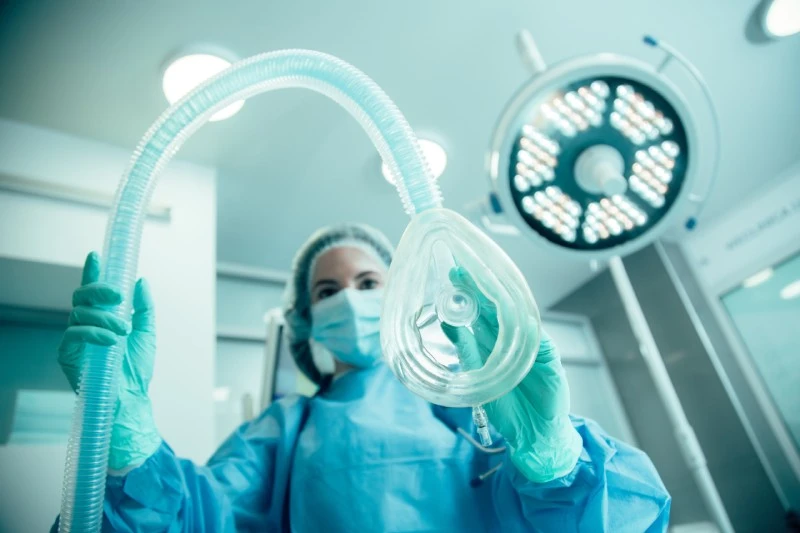

A vital team member frequently works in the background to safeguard the patient's safety and comfort throughout surgical procedures in the fast-paced world of healthcare. In this context, the job of anesthesia technicians is crucial, and their knowledge is important in preserving the delicate balance between delivering the anesthetic and keeping track of patient well-being. Look no further if working on this specialist subject intrigues you. We'll go into great detail about the curriculum, skill development, and career opportunities that await aspiring professionals in this blog post about anesthesia technician courses provided by technical colleges.
An Overview of Courses for Anesthesia Technicians
Vocational training institutions painstakingly create Anesthesia Technician Courses to give students the information, abilities, and practical experience they need to succeed in the anesthesia care industry. Depending on the institution and the curriculum, this program normally lasts between 6 and 12 months.
Examining the Course Modules: A Deep Dive into the Curriculum
Introduction to Anesthesia: This introductory course provides students with an overview of the development, theories, and applications of anesthesia, laying the groundwork for more in-depth study. Pharmacology: It's critical to comprehend the medications utilized in anesthesia. The mechanisms of numerous anesthetic drugs, as well as their effects, interactions, and safe administration, are studied in depth by students. Anatomy and Physiology: To administer anesthesia safely, one must have a solid understanding of the human body. The respiratory, circulatory, and neurological systems are covered in this module. Equipment and Technology: Anesthesia professionals use complex equipment. Students learn how to use, diagnose, and maintain anesthetic equipment to ensure optimal performance. Patient Monitoring: It's important to monitor the patient's vitals while operated on. Students learn the value of ongoing observation and data analysis in this subject. Medical Emergencies: Acting quickly under duress is crucial. Technicians in anesthesia are prepared to address situations quickly and effectively. Infection Control and Safety: Keeping healthcare facilities hygienic is crucial. Students receive instruction on safety precautions and infection control procedures. Clinical Practicum: Practical experience is combined with theory during clinical rotations. Under adult supervision, students see and participate in anesthetic procedures in the real world. Ethics and professionalism: These qualities are crucial for healthcare practitioners. The significance of ethical conduct, effective communication, and patient-centered care is emphasized in this module. for Special Populations: Patients, including children and the elderly, call for specialist treatment. Students are taught how to adjust anesthetic methods suitably.Skills Development: Extracurricular Activities
The anesthesia technician courses emphasize the development of actual skills rather than only theoretical knowledge.
Technical Proficiency: Students grasp the technical nuances of their function by becoming skilled at using anesthetic machines, ventilators, and monitoring devices. Critical Thinking: Because surgeries are unpredictable, fast thinking and decision-making are crucial. Students can evaluate situations and make wise decisions. Communication Skills: Anesthesia technicians work closely with anesthesiologists, surgeons, and other medical personnel. Cohesive collaboration is ensured by effective communication. Pay Attention to Details: Administering anesthetic requires accuracy. Students develop a sharp eye for detail to avoid mistakes and maintain patient safety.Future Outlook: Career Possibilities
Anesthesia Technician Course graduates are prepared for a variety of fascinating job prospects, including the following:
Hospital Anesthesia Departments: Many technicians support anesthesiologists during operations in medical facilities. Surgical Centers: To ensure surgical treatments are safe and effective, ambulatory surgery centers and outpatient clinics also need anesthesia technicians. Emergency Rooms: Technicians with anesthesia knowledge can assist in stabilizing patients before surgery in emergency settings. Teaching and Research: Some graduates decide to work as teachers or researchers at educational or research institutes, advancing their fields. Professional Growth: With training and experience, technicians can take on managerial responsibilities, work in quality assurance, or even continue their studies to work as anesthesiologist assistants.Final Thoughts
An exciting and significant profession in the field of healthcare is made possible by the anesthesia technician training courses provided by technical institutes. This course is a great alternative for those who want to change what happens behind the scenes of surgical procedures because of the thorough curriculum, practical skill development, and numerous career opportunities. Aspiring anesthesia technicians set out on a path that requires commitment, empathy, and a dedication to ensuring patient safety—a path that carries the possibility of a fruitful and meaningful professional life.



























Sign in to leave a comment.