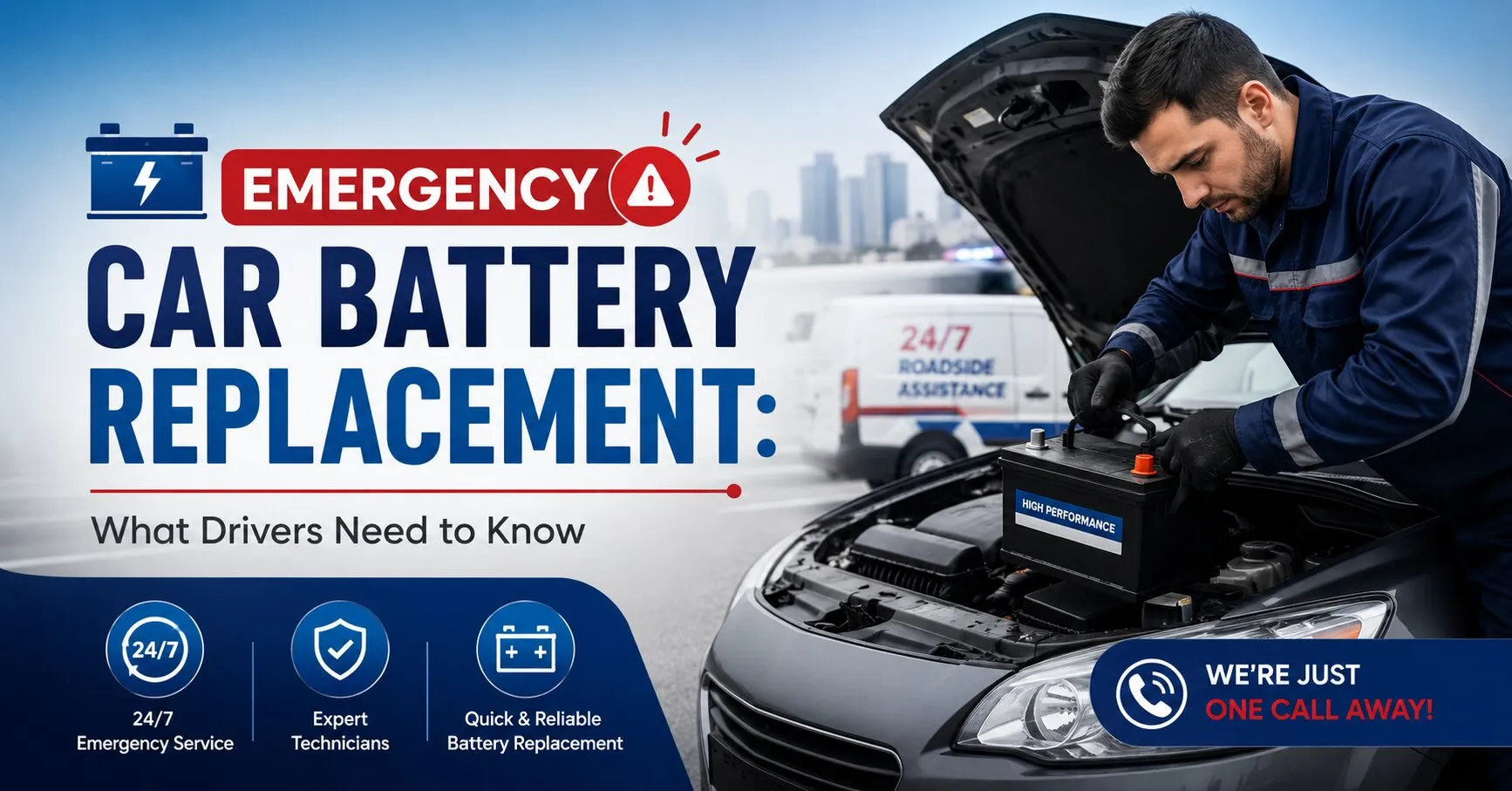

A vehicle battery is one of the most essential components of any car. It powers the engine start-up process, supports electrical systems, and ensures smooth vehicle performance. However, battery failures often occur unexpectedly, leaving drivers stranded at inconvenient times and locations. Understanding the importance of car battery replacement and knowing how to respond during a battery emergency can save time, reduce stress, and help avoid costly breakdowns.
Whether you're commuting to work, heading on a road trip, or running daily errands, being prepared for battery-related issues is crucial. This guide explains everything drivers need to know about emergency battery replacement, including warning signs, causes of battery failure, replacement options, maintenance tips, and how to handle emergencies effectively.
Understanding the Importance of Your Car Battery
A car battery serves as the primary power source for your vehicle. It provides the electricity needed to start the engine and powers essential systems such as headlights, dashboard controls, infotainment units, power windows, and air conditioning components.
Without a properly functioning battery, even the most advanced vehicle becomes inoperable. Modern vehicles rely heavily on electronic systems, making battery health more important than ever before.
When a battery reaches the end of its lifespan or experiences sudden failure, immediate action may be necessary to restore vehicle functionality and prevent further inconvenience.
Common Reasons for Car Battery Failure
Battery failure can happen for various reasons. Understanding these causes can help drivers take preventive measures.
1. Battery Age
Most car batteries have a lifespan of approximately three to five years. As batteries age, their ability to hold a charge gradually decreases, making them more susceptible to failure.
2. Extreme Weather Conditions
Both hot and cold temperatures can negatively affect battery performance.
- Excessive heat accelerates internal battery degradation.
- Cold weather reduces battery efficiency and starting power.
Drivers living in regions with extreme temperatures should pay extra attention to battery health.
3. Electrical Drain
Leaving headlights, cabin lights, or electronic accessories on when the engine is off can drain the battery quickly.
Even a small electrical drain over several hours can leave a vehicle unable to start.
4. Faulty Charging System
A malfunctioning alternator or charging system may prevent the battery from receiving adequate charge while driving.
In such cases, the battery may appear faulty even though the actual problem lies elsewhere.
5. Corroded Battery Terminals
Corrosion around battery terminals can interfere with electrical connections and reduce charging efficiency.
Regular inspection and cleaning help prevent this issue.
6. Frequent Short Trips
Short drives may not provide enough time for the alternator to fully recharge the battery, leading to gradual discharge over time.
Warning Signs That You Need a Battery Replacement
Recognizing early warning signs can help prevent a complete breakdown.
Slow Engine Cranking
One of the most common indicators is a sluggish engine start. If the engine takes longer than usual to crank, the battery may be weakening.
Dim Headlights
Weak or flickering headlights often indicate reduced battery performance.
Dashboard Warning Light
Many vehicles feature a battery warning light on the dashboard. If this light remains illuminated, it may indicate battery or charging system issues.
Electrical System Malfunctions
Problems with power windows, infotainment systems, central locking, or dashboard displays can signal battery trouble.
Swollen Battery Case
Exposure to extreme temperatures can cause the battery casing to swell, indicating internal damage and the need for immediate replacement.
Frequent Jump Starts
If you repeatedly need jump-start assistance, the battery may have reached the end of its useful life.
What to Do During a Battery Emergency
A dead battery can happen unexpectedly. Following the right steps helps ensure safety and minimizes inconvenience.
Stay Calm and Assess the Situation
If your vehicle won't start:
- Turn off all electrical accessories.
- Check dashboard indicators.
- Listen for clicking sounds when turning the ignition.
These clues can help determine whether the battery is the likely cause.
Move to a Safe Location
If possible, move your vehicle away from traffic and activate hazard lights.
Safety should always be the top priority.
Contact Professional Assistance
Professional roadside assistance services can diagnose the issue and provide immediate battery replacement if necessary.
Many mobile battery replacement providers carry a wide range of battery models and can install a new battery on-site.
Avoid Repeated Start Attempts
Repeatedly attempting to start a vehicle with a dead battery can place additional strain on electrical components and worsen the problem.
Benefits of Emergency Car Battery Replacement Services
Modern roadside assistance services have transformed how drivers handle battery emergencies.
Fast Response Times
Emergency technicians can often arrive within a short period, reducing downtime and inconvenience.
On-Site Installation
Instead of towing the vehicle to a repair shop, mobile technicians can replace the battery wherever the vehicle is located.
Professional Testing
Technicians perform diagnostic tests to ensure the battery is truly the issue and not another electrical component.
Proper Battery Selection
Experts help choose the correct battery type and specifications for your vehicle.
Warranty Coverage
Many emergency battery replacement services offer warranties for added peace of mind.
How Professionals Replace a Car Battery
The battery replacement process involves several important steps.
Inspection and Diagnosis
Technicians first test:
- Battery voltage
- Charging system performance
- Alternator functionality
- Electrical connections
This ensures accurate diagnosis.
Battery Removal
The old battery is carefully disconnected and removed while following safety procedures.
Terminal Cleaning
Battery terminals are cleaned to remove corrosion and improve electrical conductivity.
New Battery Installation
The replacement battery is securely installed and connected according to manufacturer specifications.
Final Testing
Technicians verify proper charging and starting performance before completing the service.
Choosing the Right Replacement Battery
Selecting the correct battery is essential for reliable performance.
Battery Size
Every vehicle requires a specific battery size that fits securely within the battery tray.
Cold Cranking Amps (CCA)
CCA measures the battery's ability to start the engine in cold temperatures.
Higher CCA ratings are generally beneficial in colder climates.
Reserve Capacity
Reserve capacity indicates how long a battery can provide power if the charging system fails.
Brand Reputation
Choosing a reputable battery brand often results in better reliability and longer service life.
Warranty Terms
A strong warranty reflects manufacturer confidence in product quality.
How Long Does a Car Battery Last?
Several factors influence battery lifespan:
- Climate conditions
- Driving habits
- Vehicle type
- Maintenance practices
- Electrical system health
Most batteries last between three and five years, though some premium batteries may perform well beyond this range.
Regular testing helps identify declining performance before complete failure occurs.
Preventive Maintenance Tips for Longer Battery Life
Proper maintenance significantly extends battery lifespan.
Regular Inspections
Check for:
- Corrosion
- Loose connections
- Physical damage
- Fluid leaks
Monthly inspections help identify potential issues early.
Keep Terminals Clean
Cleaning terminals improves conductivity and charging efficiency.
Drive Regularly
Vehicles left unused for extended periods may experience battery discharge.
Regular driving helps maintain battery charge levels.
Limit Electrical Usage
Avoid running accessories when the engine is off.
This reduces unnecessary battery drain.
Test the Battery Annually
Professional battery testing can detect declining performance before failure occurs.
The Risks of Ignoring Battery Problems
Many drivers delay battery replacement until complete failure occurs.
This approach can lead to:
Unexpected Breakdowns
Battery failure often occurs at the most inconvenient times.
Towing Expenses
Ignoring warning signs may result in costly towing charges.
Missed Appointments
A dead battery can disrupt work schedules, meetings, and travel plans.
Additional Vehicle Stress
Weak batteries can place additional strain on the alternator and starter motor.
Prompt replacement reduces the risk of secondary component failures.
Emergency Battery Replacement for Different Vehicle Types
Battery requirements vary based on vehicle type.
Passenger Cars
Most standard vehicles use conventional lead-acid batteries.
SUVs
SUVs often require larger batteries with higher reserve capacity.
Luxury Vehicles
Modern luxury vehicles feature advanced electronics requiring specialized batteries.
Commercial Vehicles
Commercial fleets rely on heavy-duty batteries designed for continuous operation.
Hybrid Vehicles
Hybrid systems use specialized batteries and require trained technicians for service.
How Technology Is Improving Battery Services
The automotive industry continues to innovate battery technology and roadside assistance solutions.
Mobile Diagnostic Tools
Advanced scanners allow technicians to identify battery issues quickly and accurately.
GPS-Based Dispatching
Emergency services use GPS technology to reduce response times.
Enhanced Battery Designs
Modern batteries offer:
- Longer lifespan
- Improved durability
- Better temperature resistance
- Faster charging capabilities
Digital Service Tracking
Customers can monitor technician arrival times and service updates through mobile apps.
Preparing for a Battery Emergency
Drivers can take several steps to stay prepared.
Keep Emergency Contact Numbers Handy
Store roadside assistance numbers in your phone.
Carry Essential Safety Equipment
Consider keeping:
- Flashlight
- Reflective warning triangle
- Jumper cables
- Portable battery booster
Schedule Routine Maintenance
Regular inspections help identify battery issues before emergencies occur.
Replace Aging Batteries Proactively
If your battery is nearing the end of its expected lifespan, replacement before failure is often the safest option.
Conclusion
Battery failure is one of the most common causes of vehicle breakdowns, but it doesn't have to become a major inconvenience. By understanding the warning signs, maintaining your battery properly, and knowing how emergency services work, drivers can stay prepared for unexpected situations. Regular inspections, prompt attention to battery issues, and proactive maintenance all contribute to improved reliability and peace of mind on the road. When signs of battery weakness appear, timely car battery replacement can prevent breakdowns, protect your vehicle's electrical systems, and ensure you remain safe and mobile wherever your journey takes you.





















Sign in to leave a comment.