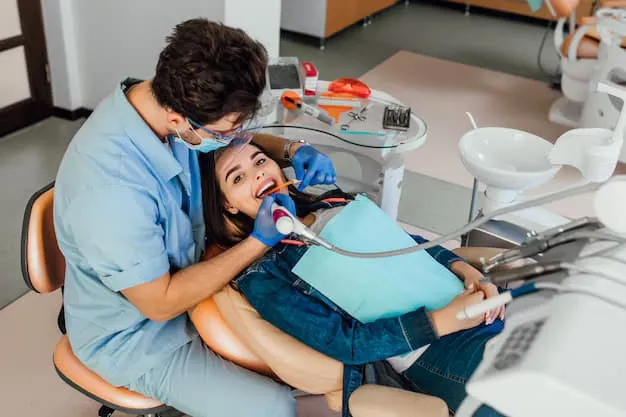

Dental emergencies can happen without warning and often bring discomfort, anxiety, and uncertainty. Whether it is a sudden toothache, a broken tooth, or an unexpected injury, knowing how to respond quickly can make a significant difference in preserving oral health. A Longwood dentist often emphasizes the importance of staying calm and taking the right steps during such situations. With the proper knowledge, individuals can manage pain, prevent further damage, and improve the chances of successful treatment.
This article provides essential emergency dental tips that anyone can follow when faced with urgent oral health issues. These insights are designed to help individuals act confidently and protect their smiles until professional care is available.
Understanding What Counts as a Dental Emergency
Recognizing Common Dental Emergencies
A dental emergency is any situation involving the teeth, gums, or mouth that requires immediate attention. Common examples include severe toothaches, knocked out teeth, cracked or broken teeth, lost fillings or crowns, abscesses, and bleeding gums. Each of these conditions can escalate quickly if left untreated.
A Longwood dentist often advises that pain is a key indicator. If discomfort is intense, persistent, or accompanied by swelling, it should not be ignored. Quick action can prevent complications and reduce the risk of long term damage.
When to Seek Immediate Help
Not all dental issues require urgent care, but some situations demand prompt attention. Excessive bleeding, swelling that affects breathing or swallowing, and trauma to the face or jaw are serious concerns. In such cases, seeking emergency dental or medical care immediately is crucial.
Understanding the difference between urgent and non urgent issues can help individuals make informed decisions and avoid unnecessary delays.
How to Handle a Severe Toothache
Identifying the Cause of Pain
Toothaches can stem from various causes such as cavities, infections, gum disease, or trauma. The pain may be sharp, throbbing, or constant, and it can interfere with daily activities.
A Longwood dentist typically recommends rinsing the mouth with warm water to clean the area and checking for any trapped food particles. Sometimes, simple debris removal can provide relief.
Temporary Relief Techniques
Over the counter pain relievers can help manage discomfort, but they should be used as directed. Applying a cold compress to the outside of the cheek can reduce swelling and numb the area. It is important to avoid placing aspirin directly on the gums, as it may cause irritation.
Seeking professional care remains essential, especially if the pain persists or worsens.
What to Do if a Tooth Gets Knocked Out
Acting Quickly to Save the Tooth
A knocked out tooth is one of the most urgent dental emergencies. Immediate action can increase the chances of saving the tooth. The tooth should be picked up by the crown, not the root, to avoid damage.
If the tooth is dirty, it should be gently rinsed with water without scrubbing. A Longwood dentist often suggests placing the tooth back into its socket if possible. If that is not feasible, storing it in milk or a tooth preservation solution can help keep it viable.
Time Sensitivity Matters
The first hour after a tooth is knocked out is critical. Seeking dental care within this time frame significantly improves the likelihood of successful reattachment. Delays can reduce the chances of saving the tooth.
Managing a Cracked or Broken Tooth
Assessing the Damage
Cracked or broken teeth can result from biting hard objects, accidents, or weakened enamel. The severity of the damage can vary, from minor chips to deep fractures that expose the inner layers of the tooth.
Rinsing the mouth with warm water helps clean the area, while a cold compress can reduce swelling. A Longwood dentist may also recommend saving any broken pieces and bringing them to the appointment.
Protecting the Tooth Until Treatment
Avoid chewing on the affected side to prevent further damage. Covering sharp edges with dental wax or sugar free gum can protect the tongue and cheeks from injury.
Prompt dental evaluation is necessary to determine the appropriate treatment, which may include bonding, crowns, or more advanced procedures.
Dealing with Lost Fillings or Crowns
Temporary Solutions at Home
Losing a filling or crown can leave the tooth sensitive and vulnerable. In such cases, keeping the area clean is essential. Over the counter dental cement can be used as a temporary solution to protect the exposed tooth.
If a crown is lost, it should be kept safe and brought to the dentist. A Longwood dentist may be able to reattach it if it is still in good condition.
Preventing Further Damage
Avoid chewing on the affected side and stay away from sticky or hard foods. These precautions can help prevent additional complications until professional care is received.
Handling Dental Abscesses
Recognizing the Signs of Infection
A dental abscess is a serious infection that can develop at the root of a tooth or in the gums. Symptoms may include severe pain, swelling, fever, and a bad taste in the mouth.
A Longwood dentist often warns that abscesses should never be ignored, as the infection can spread to other parts of the body if left untreated.
Immediate Steps to Take
Rinsing the mouth with a mild saltwater solution can help reduce bacteria and alleviate discomfort. However, this is only a temporary measure. Professional treatment is necessary to address the underlying infection and prevent complications.
Managing Soft Tissue Injuries
Treating Cuts and Bleeding
Injuries to the lips, cheeks, gums, or tongue can cause bleeding and discomfort. Cleaning the area gently with water and applying pressure with a clean cloth or gauze can help control bleeding.
If bleeding does not stop after several minutes, seeking medical attention is important. A Longwood dentist may also evaluate the injury to ensure there is no damage to the teeth or underlying structures.
Reducing Swelling and Pain
Applying a cold compress can minimize swelling and provide relief. Avoiding spicy or acidic foods can prevent further irritation during the healing process.
Preventing Dental Emergencies
Practicing Good Oral Hygiene
Maintaining proper oral hygiene is one of the most effective ways to prevent dental emergencies. Regular brushing, flossing, and dental checkups can help identify potential issues before they become serious.
A Longwood dentist often emphasizes the importance of routine care in preserving oral health and reducing the likelihood of unexpected problems.
Using Protective Gear
Wearing a mouthguard during sports or physical activities can protect the teeth from injury. Similarly, avoiding habits such as chewing ice or using teeth as tools can prevent damage.
Taking these preventive measures can significantly reduce the risk of dental emergencies.
Preparing for Unexpected Situations
Creating a Dental Emergency Kit
Having a dental emergency kit at home can be helpful. Items such as gauze, a small container with a lid, saline solution, and over the counter pain relievers can make it easier to manage emergencies.
Being prepared allows individuals to respond quickly and effectively when unexpected situations arise.
Knowing Who to Contact
Keeping the contact information of a trusted dental professional readily available is essential. Quick communication can ensure timely guidance and treatment when needed.
A Longwood dentist can provide instructions over the phone and help determine the urgency of the situation.
The Importance of Prompt Professional Care
Avoiding Long Term Complications
Delaying treatment for dental emergencies can lead to more serious problems, including infections, tooth loss, and increased treatment costs. Seeking timely care helps preserve oral health and prevents complications.
A Longwood dentist is trained to diagnose and treat a wide range of emergency situations, ensuring that patients receive appropriate care.
Restoring Comfort and Function
Emergency dental care not only addresses pain but also restores the function and appearance of the teeth. Whether it involves repairing damage or treating infections, professional care plays a vital role in recovery.
Conclusion
Dental emergencies can be stressful, but knowing how to respond can make a significant difference. From managing toothaches to handling knocked out teeth, these practical tips provide valuable guidance for protecting oral health in urgent situations. Acting quickly, staying calm, and seeking professional care are key steps in ensuring the best possible outcomes.
By understanding these emergency strategies, individuals can feel more prepared and confident when faced with unexpected dental issues. For expert care and reliable support, tiralosi dental is available to assist with emergency dental needs and help patients maintain healthy, confident smiles.






























Sign in to leave a comment.