
Artificial Intelligence in 2025 is moving far beyond task automation into the era of autonomous decision-making. AI systems are no longer limited to responding to prompts or analyzing data; they are now capable of planning, reasoning, and executing complex workflows independently. Autonomous AI agents can manage projects, coordinate supply chains, optimize marketing campaigns, and even write and deploy software with minimal human intervention. This shift is redefining productivity, as professionals increasingly collaborate with AI systems as digital coworkers rather than simple tools. The focus is no longer on whether AI can perform tasks, but how effectively humans can guide, supervise, and ethically align these systems.
For professionals, this transformation demands a new skill set centered on AI oversight, prompt engineering, and strategic thinking. Understanding how to define objectives, set boundaries, and interpret AI-generated outcomes is becoming essential across industries. Roles in management, finance, healthcare, and engineering are evolving to include AI governance responsibilities. At the same time, ethical considerations such as bias, transparency, and accountability are gaining prominence. Professionals who can balance technical understanding with human judgment will be best positioned to thrive in an AI-driven workplace, making autonomous intelligence one of the most critical trends of 2025.
Generative AI Redefines Creativity and Knowledge Work
Generative AI has matured significantly by 2025, reshaping how content, design, and ideas are produced. Text, image, video, music, and code generation tools are now deeply integrated into everyday professional workflows. These systems can generate marketing campaigns, legal drafts, architectural designs, and educational materials in minutes rather than days. Instead of replacing creativity, generative AI is augmenting it by handling repetitive or technical elements, allowing professionals to focus on strategy, storytelling, and innovation. This evolution is making high-quality creative output more accessible across industries.
However, the widespread use of generative AI introduces new challenges related to originality, intellectual property, and quality control. Professionals must learn how to refine AI outputs, verify accuracy, and maintain brand or organizational voice. Critical thinking and editorial judgment are becoming more valuable than raw production skills. In 2025, success depends on the ability to collaborate effectively with generative systems while maintaining human authenticity and ethical standards. Those who master AI-assisted creativity will gain a competitive edge, while those who resist adaptation may find themselves struggling to keep pace.
Cybersecurity Shifts to Proactive and AI-Driven Defense
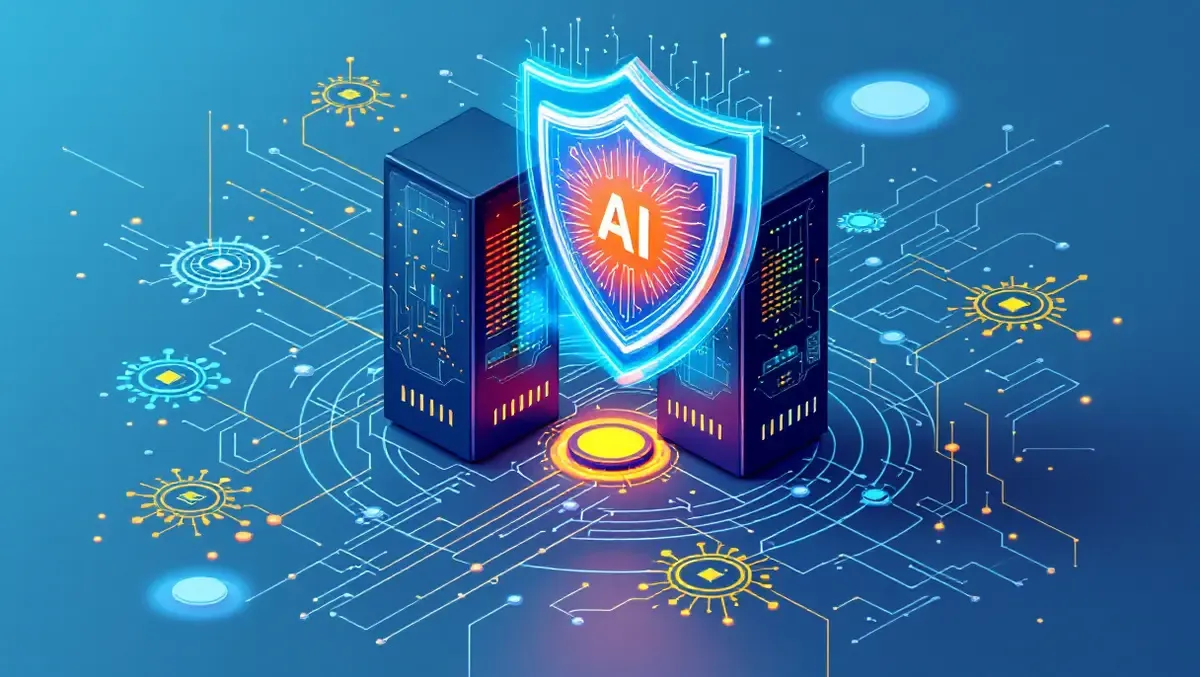
As digital systems grow more complex, cybersecurity threats in 2025 have become more sophisticated and persistent. Traditional reactive security models are no longer sufficient to protect organizations from evolving cyberattacks. Instead, AI-driven cybersecurity solutions are emerging that can predict threats, detect anomalies in real time, and respond automatically to breaches. These systems analyze vast amounts of data to identify patterns that indicate potential risks before damage occurs. For professionals, cybersecurity is no longer the responsibility of IT departments alone but a shared organizational priority.
This shift places greater emphasis on cybersecurity awareness and digital responsibility across all roles. Professionals must understand basic security principles, data privacy regulations, and safe digital practices. Industries such as finance, healthcare, and government are particularly impacted, as breaches can have severe financial and societal consequences. In 2025, cybersecurity skills are becoming a core competency, not a niche specialization. Those who understand how AI enhances digital defense will be better equipped to protect both organizational assets and personal data in an increasingly connected world.
The Rise of Spatial Computing and Immersive Experiences
Spatial computing, which blends physical and digital environments, is gaining mainstream traction in 2025. Technologies such as augmented reality (AR), virtual reality (VR), and mixed reality (MR) are transforming how professionals interact with information. Instead of flat screens, users can visualize data in three-dimensional spaces, conduct virtual meetings, and simulate real-world scenarios for training and design. Industries like healthcare, manufacturing, real estate, and education are adopting immersive tools to improve accuracy, collaboration, and learning outcomes.
For professionals, spatial computing introduces new ways of working that emphasize experiential understanding over abstract data. Training programs now include realistic simulations, reducing risk and improving skill retention. Designers and engineers can prototype and test products in virtual environments before physical production. As hardware becomes more affordable and software more intuitive, immersive technologies are becoming practical tools rather than experimental novelties. Professionals who adapt to spatial interfaces and immersive collaboration methods will be better prepared for the future of work, where digital and physical realities increasingly overlap.
Sustainable Technology and Green Innovation
Sustainability has moved from a corporate responsibility initiative to a technological imperative in 2025. Emerging technologies are increasingly designed with environmental impact in mind, focusing on energy efficiency, reduced waste, and carbon neutrality. Innovations such as green data centers, renewable energy integration, and AI-optimized resource management are reshaping how organizations operate. Professionals are now expected to consider sustainability not only in strategy but also in daily decision-making and technology adoption.
This trend is influencing job roles across industries, from engineering and product development to finance and operations. Understanding how technology can support sustainability goals is becoming a valuable professional skill. Regulatory pressures and consumer expectations are driving organizations to adopt greener solutions, making sustainability-focused innovation a competitive advantage. In 2025, professionals who can align technological progress with environmental responsibility will play a critical role in shaping resilient and future-ready organizations.
Blockchain Evolves Beyond Cryptocurrency
By 2025, blockchain technology has expanded far beyond its association with cryptocurrency. Decentralized systems are now being used for secure data sharing, supply chain transparency, digital identity verification, and smart contracts. These applications provide greater trust, traceability, and efficiency across industries. Professionals in logistics, finance, healthcare, and legal sectors are increasingly interacting with blockchain-based platforms as part of routine operations.
The growing adoption of blockchain requires professionals to understand decentralized systems and their implications. While deep technical expertise is not always necessary, familiarity with concepts such as smart contracts and distributed ledgers is becoming important. Blockchain’s ability to reduce intermediaries and enhance transparency is changing traditional business models. In 2025, professionals who grasp how blockchain creates value will be better positioned to participate in decentralized ecosystems and leverage trust-based technologies effectively.
Human Skills Become More Valuable Than Ever
As technology advances rapidly in 2025, human-centric skills are becoming increasingly important. Emotional intelligence, adaptability, ethical reasoning, and creative problem-solving are qualities that machines cannot replicate fully. While AI and automation handle technical and repetitive tasks, humans are needed to provide context, empathy, and moral judgment. Organizations are prioritizing professionals who can collaborate across disciplines and navigate complex social and ethical challenges.
This shift highlights the importance of continuous learning and personal development. Professionals must balance technical literacy with strong communication and leadership abilities. The future of work is not about competing with machines but complementing them. In 2025, those who combine technological awareness with distinctly human skills will be the most resilient and valuable contributors. Understanding emerging technology trends is essential, but knowing how to apply them thoughtfully and responsibly is what will truly define professional success.
Conclusion
As 2025 unfolds, emerging technologies are no longer distant concepts but practical forces reshaping how professionals work, think, and create value. From autonomous and generative AI to blockchain, cybersecurity, spatial computing, and sustainable innovation, these trends are transforming industries at an unprecedented pace. Technology is becoming more intelligent, immersive, and interconnected, demanding that professionals move beyond basic digital literacy toward deeper strategic understanding. Keeping up with these changes is not optional; it is essential for career growth, organizational relevance, and long-term competitiveness.
At the same time, the future of work in 2025 reinforces the importance of human strengths. While advanced systems can automate processes and analyze massive data sets, they still rely on human judgment, ethics, creativity, and emotional intelligence. Professionals who embrace continuous learning, adapt to new tools, and apply technology responsibly will stand out in an increasingly automated world. By understanding and leveraging these emerging technology trends, individuals and organizations can not only survive technological disruption but also shape a more innovative, sustainable, and human-centered future.

























Sign in to leave a comment.