

A doctor once wrapped up a consultation in under three minutes. Did everything right, diagnosis, prescription, the whole thing.
The patient still walked out feeling off.
That’s the gap no one talks about enough. We’ve gotten really good at speeding things up in healthcare, but somehow, people feel less heard than ever. If you work anywhere near healthcare tech, you’ve probably seen this play out more than once.
Efficiency is easy to track. Empathy? Not so much. But when it comes to patient interactions, empathy is the part that actually sticks with people.
Speed Looks Good on Paper; Until You’re the Patient
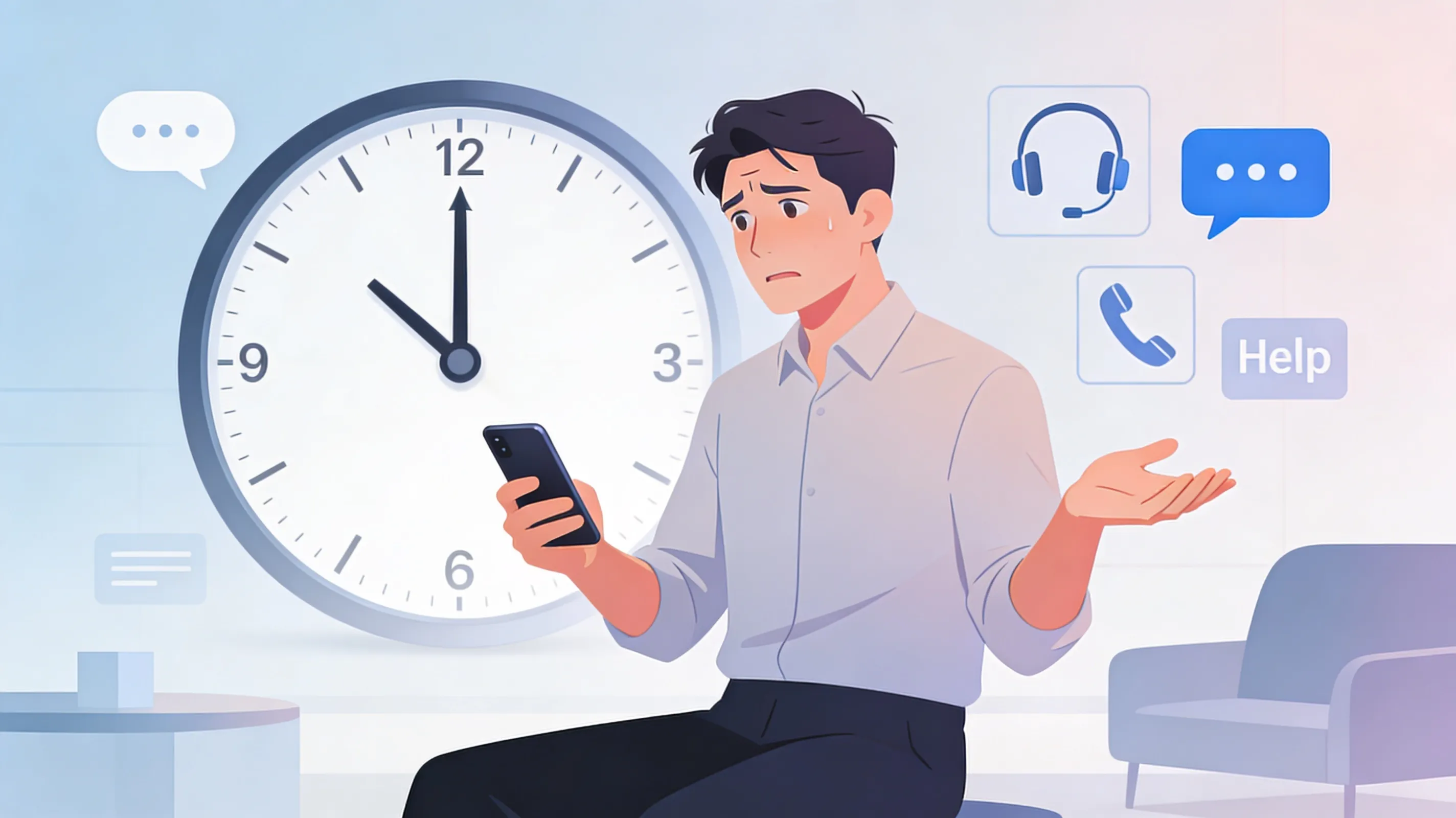
Everyone’s chasing faster workflows. Shorter calls. Less waiting. More patients handled per hour.
Sounds great… until you’re on the other end of it.
Most patient interactions aren’t just about getting answers. People are nervous, confused, and sometimes scared. They’re not calling in like they would to check a bank balance; they want reassurance.
When things feel rushed:
- Patients forget what they were told
- They hold back questions they should’ve asked
- They leave feeling like a number
And then they call again. Or worse, they don’t follow through on care.
So yeah, faster isn’t always better.
What People Really Remember After Patient Interactions
Here’s something I’ve noticed: patients rarely say, “That was quick, I loved it.”
They say, “They actually listened.”
That’s the difference.
Good patient interactions usually come down to small things:
- Someone doesn’t interrupt
- There’s a moment to think before answering
- The tone feels… human
None of that takes much time. It just takes attention.
And attention builds trust way faster than speed ever will.
When Systems Get Too Efficient, They Start Feeling Cold
This is where a lot of tech-driven healthcare systems get it wrong.
In trying to streamline everything, automated calls, rigid scripts, and tight time slots, we end up stripping out the human layer. The system works, sure. But the experience feels off.
And once patient interactions start feeling robotic, trust takes a hit.
And when trust drops, everything else gets harder. Patients don’t listen, don’t engage, and don’t come back.
That’s not just a “nice-to-have” problem. It affects outcomes.
A Scenario That’s Probably All Too Familiar
Someone calls in to reschedule an appointment.
In one setup, they go through endless menu options, sit on hold, and finally get a rushed answer.
In another, the system picks up on urgency, maybe the patient sounds worried, and responds a bit more thoughtfully.
Same request. Totally different patient interactions.
One just gets it done. The other actually helps.
Tech Isn’t the Problem; It’s How We Use It
Let’s be real, healthcare isn’t slowing down anytime soon. There’s too much demand, not enough time.
So, this isn’t about choosing empathy over efficiency. It’s about making sure empathy doesn’t get lost while we scale.
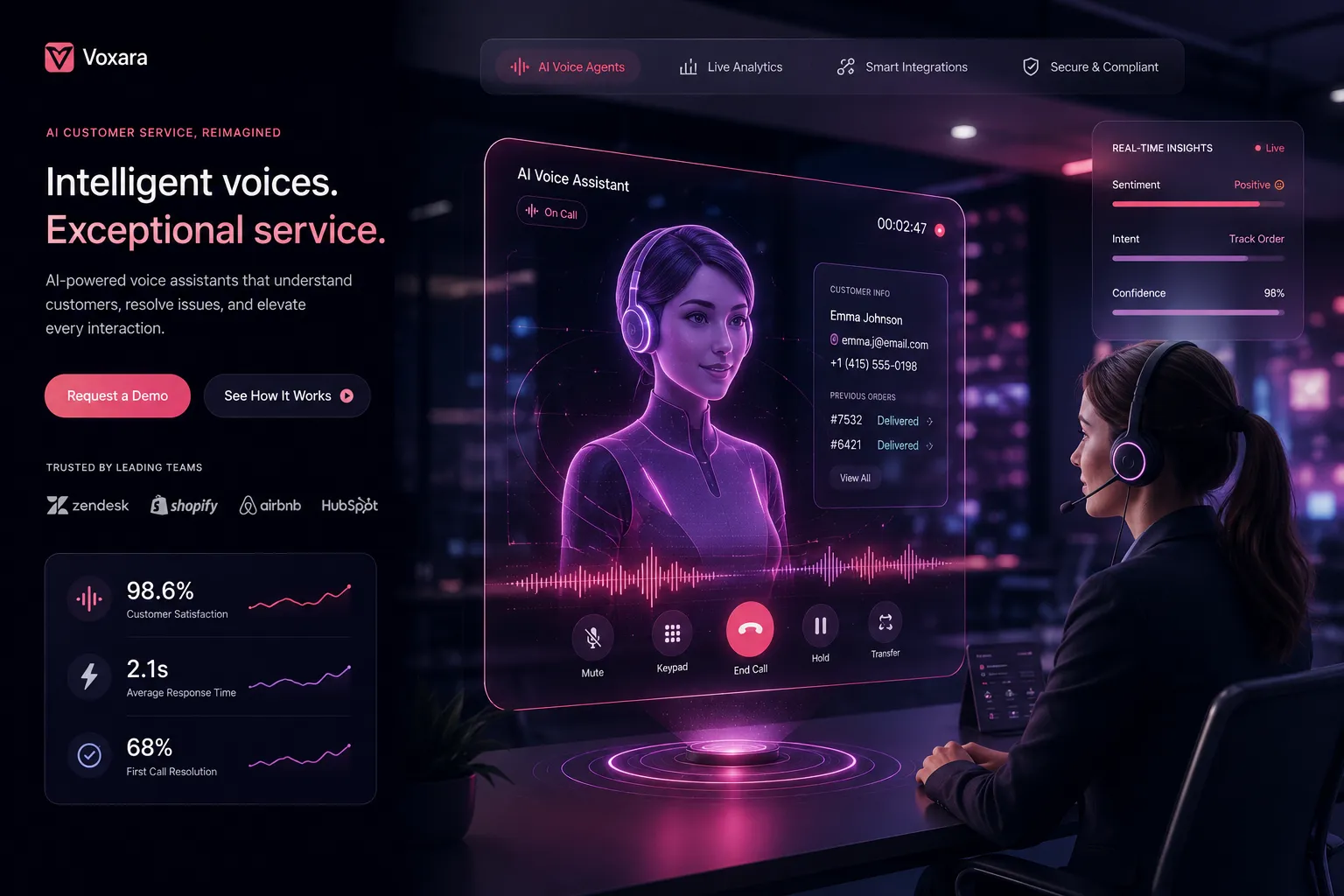
That’s where tools like a Voice AI for Healthcare solution can actually help if they’re designed right. They shouldn’t replace human connection; they should make room for more of it.
A good Voice AI Platform can:
- Pick up on what the patient actually means, not just what they say
- Adjust tone instead of sounding flat
- Take care of repetitive stuff so teams can focus on meaningful patient interactions
The goal isn’t to fake being human. It’s to respond in a way that feels natural when it matters.
Scripts Don’t Cut It Anymore
There’s a shift happening right now, and honestly, it’s overdue.
Healthcare is moving away from rigid scripts toward conversations that can flex a bit.
Because real patient interactions aren’t predictable. People don’t follow neat patterns; they ramble, they worry, they change topics halfway through.
And systems need to keep up with that.
Quick Gut Check: What Are You Actually Measuring?
Let me say this straight.
If you’re only tracking:
- Call times
- Tickets closed
- Response speed
…you’re missing what actually matters.
None of those tells you how the patient felt.
And that feeling? It drives everything that comes next.
Small Changes That Make Patient Interactions Feel More Human
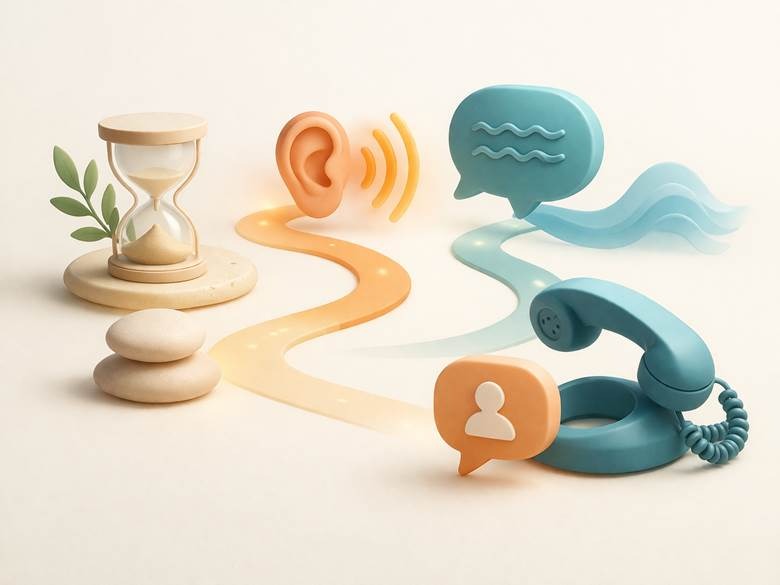
If you’re building or tweaking systems, here are a few things that genuinely help:
- Don’t rush the silence
Sometimes people just need a second to gather their thoughts. - Listen for emotion, not just keywords
“I’m worried” and “I need info” aren’t the same thing. - Make it easy to reach a real person
Some situations just need a human; don’t make that a struggle. - Pay attention to tone
You can be technically right and still come off wrong.
These aren’t huge changes, but they shift how patient interactions feel in a big way.
Funny Enough, Empathy Saves Time
This is the part people don’t expect.
When patient interactions feel more empathetic:
- Patients ask clearer questions
- They actually follow instructions
- They don’t keep calling back
So yeah, you might spend a few extra seconds upfront. But you save time across the board.
It’s not slower, it’s just smarter.
The Real Challenge: Scaling Something That Feels Personal
If you’re in tech, this is the tricky part.
How do you scale empathy without making it feel fake?
The answer isn’t to copy humans perfectly. It’s to figure out where empathy matters most in patient interactions and focus there.
Not every moment needs depth. But when someone’s anxious, confused, or overwhelmed, that’s where it counts.
And those are the moments systems need to handle better.
The One Thing Worth Remembering
People don’t care how fast the interaction was; they care how it made them feel.
If you get that right, everything else gets easier.
Where This Is Headed
Healthcare is getting faster, smarter, and more automated by the day.
But if patient interactions don’t feel more human along the way, it’s going to feel like something’s missing.
If you’re building in this space, this is where the real opportunity is.
Don’t just make things quicker. Make them feel better.
That’s what people remember, and that’s what actually keeps them coming back.


























Sign in to leave a comment.