The UK's energy landscape is rapidly shifting as a result of new technologies, aspirations for sustainability, and the desire for more intelligent infrastructure. The sector is currently in a progressive phase of innovative Energy-as-a-Service (EaaS), which will eventually transform how organisations energise their operations and workplaces.
Businesses will no longer need to own, maintain, and/or invest in energy assets, but instead, they will be able to access them and cleaner, more efficient future technology systems owned and operated by experts in the market. The discussion has now shifted toward flexible, resilient, and sustainable systems for modern energy needs.
What Is Energy-as-a-Service?
Energy-as-a-Service (EaaS) is a new model for energy procurement in which companies ultimately pay for energy-related outcomes and not for the physical system or system to supply energy. Instead of buying a solar panel, a battery, or a backup generator, customers sign a service contract with a provider. The provider will install, own, operate, and warranty the assets.
One might think of it like a subscription to power. Just as we pay for Netflix to access entertainment, under EaaS, you pay for reliable, efficient, low-carbon energy. The provider assumes all responsibility, including installation, maintenance, upgrades, and regulatory compliance, and you get the benefits like affordable bills, reduced emissions, and improved energy resiliency.
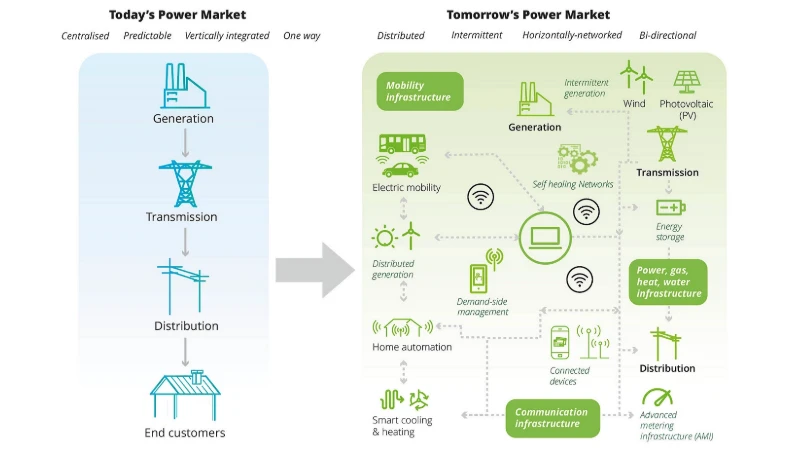
How Does EaaS Work?
Fundamentally, EaaS transforms energy assets from a capital expense to an operating expense. Companies will pay a recurring fee, either fixed, based on shared savings, or tied directly to performance for guaranteed energy projects.
Common examples of EaaS arrangements include:
- Solar PV systems for on-site energy generation.
- Battery Energy Storage Systems (BESS) for load shifting and energy backup.
- Smart building controls for energy efficiency and automation.
- Digital monitoring tools to improve performance in real time.
These systems operate in conjunction to create independent “microgrids” that can continue during grid outages and lessen reliance on a volatile energy supply.
Why Is EaaS Gaining Momentum?
Four predominant forces pushing the EaaS model are decarbonisation, electrification, digitalisation, and cost control.
In an environment of energy quotes and uncertainty in energy markets, EaaS relieves companies of the financial burden of upgrading their energy infrastructure. It removes the problem of upfront investment while also ensuring predictable monthly costs and quantifiable environmental outcomes.
For providers, the EaaS model represents reliable, long-term revenue. For customers, the model provides access to the newest clean technologies without the burdens of ownership, compliance, and maintenance headaches.
The Role of Battery Storage and Digital Innovation
Battery energy storage is a core element of most EaaS systems. Battery energy storage provides flexibility on-site, peak demand shaving, and energy independence from the grid.
However, as battery energy storage continues to proliferate, safety and reliability have risen to the forefront. Several modern battery storage solutions, such as immersion-cooled solutions, eliminate fire risk while increasing thermal stability and meeting the UK’s challenging permitting compliance requirements. Thus, combined with smart software platforms that have real-time data, predictive maintenance, and performance monitoring, these solutions not only allow for scalability but, with the addition of thermal benefits, can provide safe and secure EaaS solutions.
Benefits of Energy-as-a-Service
The benefits of EaaS are both financial and operational:
1.No capital outlay
The capital cost is replaced with a predictable subscription fee.
2. Reduced risk
The provider assumes the operational, maintenance, and compliance burden.
3. Sustainability improvement
The integration of renewables and emissions monitoring.
4. Energy resiliency
Improved backup availability during a power outage.
5. Operational simplicity
No internal management or engineering required.
For many UK organisations, and especially SMEs and industrial businesses, this mechanism provides flexibility and stability to remain competitive in an uncertain energy environment.
Challenges and Considerations
While EAAS is good, there are several deployments that must be considered carefully. Contracts are usually multi-year, so you will want to review provisions to understand uptime guarantees, ownership of data, and exit provisions.
The choice of provider is also very important. Opt for those with proven technology partners, good reporting capabilities, and solid safety credentials, especially with battery systems, as they will be governed by changing fire and environmental codes.
The Future of EaaS in the UK
As the UK progresses towards its goal of net-zero by 2050, EaaS will likely play a central role in clean, distributed energy systems. From manufacturer plants and retail chains to public infrastructure and data centres, an increasing number of organisations are moving to an EaaS model as they strive for resilience, transparency and sustainability. EaaS could fundamentally shift the way businesses see energy, not as an owned asset, but rather as an intelligent managed service that delivers performance, rather than just power, in the coming decade. EaaS will play a role in the energy future of the UK.


























Sign in to leave a comment.