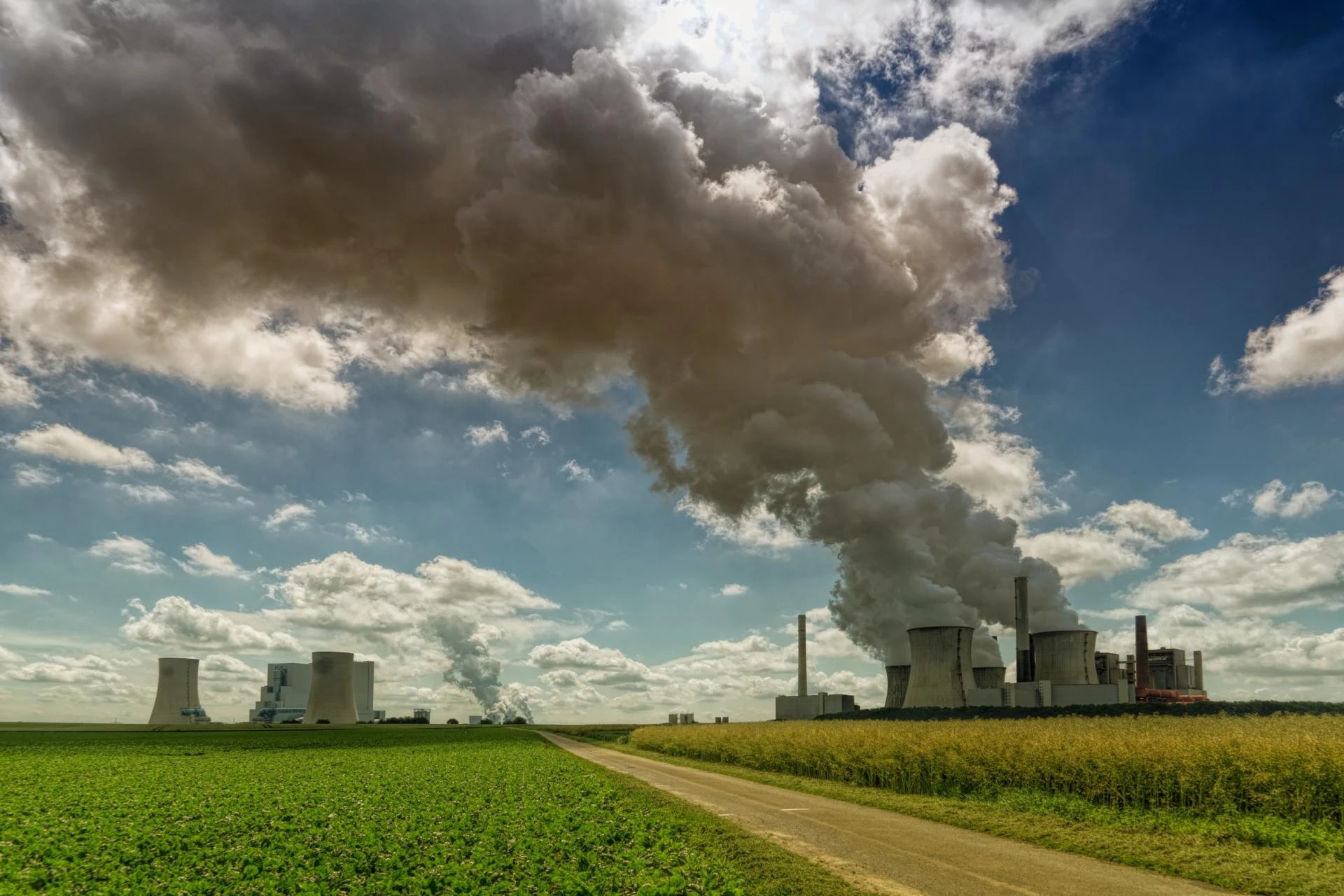
For decades, Energy from Waste (EfW) has been a practical solution for managing the things we cannot recycle, preventing them from ending up in landfill while generating power. But what if this process could do more than just manage waste? It could actively clean our atmosphere. New findings suggest this is not science fiction. The EfW sector in the UK can reach carbon negative by 2035, a truly revolutionary change in our fight against climate change.
This ambitious target revolves around a Carbon Capture Utilisation and Storage (CCUS) technology as implemented to existing and future energy from waste facilities. A recent assessment has suggested that by using CCUS technologies with these facilities that they could reduce carbon dioxide and remove as much as 10 million tonnes of CO₂ from the CO2 accumulated atmosphere on an annual basis.
Did You Know?
A carbon-negative process is one that removes more carbon dioxide from the atmosphere than it emits. By capturing CO₂ from biogenic waste, EfW plants with CCUS would achieve this, effectively turning rubbish into a tool for atmospheric clean-up.
How Can Burning Waste Remove Carbon?
The wonder of this process is found in the makeup of our waste. Much of the material sent to EfW facilities is biogenic, which is to say it derives from an organic source, such as food scraps, paper, wood, and green waste. As these materials grew, they also, of course, absorbed CO₂ from the atmosphere.
When this biogenic waste is processed in an EfW facility, the CO₂ is released. Without carbon capture, it re-enters the atmosphere for a carbon-neutral cycle. However, when CCUS technology is incorporated, we can capture this biogenic CO₂ before it exits the capital. The carbon we are capturing will then be stored permanently underground in geological formations or used to develop productive products such as low-carbon fuels or concrete. Ultimately, we are removing CO₂ from the atmosphere and creating a net negative emission..
Trivia Time!
The first commercial-scale EfW facility with carbon capture is planned to be developed at the Wilton International location in Teesside, UK. On full operation, it is anticipated to capture around 1.2 million tonnes of CO₂ each year, of which over half is likely to be captured from biogenic material.
Environmental and Economic Benefits
Achieving a carbon-negative waste sector would be a huge victory for the UK’s Net Zero ambitions. It redefines an entire industry, shifting it from a waste management service to a key player in environmental restoration. Instead of just dealing with a problem, we would be creating a solution.
The economic benefits are equally promising. The big project of revamping the existing EfW plants and developing new CCUS-ready plants will generate large-scale investments. That means there will be thousands of high-quality green jobs across the whole country, in areas such as engineering, manufacturing, and operations. This will also establish the UK's place as a world leader in sustainable technology, leading to new possibilities for innovation and export. In addition, generating reliable electricity from a domestic source-our rubbish-improves the UK's energy security and protects us against volatile global energy prices.
The Path Forward to a Greener Future
Even though the potential is there, turning a suitable vision into reality will require simultaneous effort from more than one area.
First and foremost will be the need for supportive government policy. This means providing clear backing for CCUS within the EfW sector and creating financial models that encourage the necessary private investment. A system that properly values the carbon removal service, perhaps through carbon credits, would incentivise operators to adopt the technology.
Secondly, the physical infrastructure for transporting and storing the captured CO₂ must be developed. This involves strategic planning to build a national network of pipelines and secure storage sites, many of which are proposed for locations under the North Sea.
Finally, public engagement remains essential. We must all continue to embrace the waste hierarchy is reduce, reuse, and recycle first. EfW is one way to address waste that is not recyclable in any way. By strengthening our recycling rate, we can enhance the overall biogenic content of waste that will be used for EfW. When we recycle more, the waste we send to EfW has richer biogenic material, which means we could generate carbon-negative energy.
A carbon-negative EfW sector showcases an exciting future in which the things we dispose of in a local waste facility can be used in ways that have real restorative possibilities for dealing with our planet’s issues.

























Sign in to leave a comment.