

In today’s healthcare landscape, patient outcomes and satisfaction are increasingly tied to the quality of services and support they receive outside the hospital walls. One critical component that has a significant impact on patient recovery, mobility, and overall well-being is the provision of durable medical equipment (DME). From wheelchairs and hospital beds to oxygen therapy devices and mobility aids, DME is indispensable for patients requiring long-term care. Yet, it is not merely the equipment itself that defines the quality of care—it is the DME experience that shapes patient satisfaction, adherence, and ultimately, clinical outcomes.
This article explores how healthcare providers, DME suppliers, and medical equipment manufacturers can optimize the DME experience to enhance patient care, streamline operations, and support better health outcomes.
Understanding the DME Experience
The DME experience encompasses every interaction a patient has with durable medical equipment—from prescription and delivery to training, usage, maintenance, and follow-up support. A superior DME experience ensures that patients not only receive the equipment they need but also understand how to use it correctly, feel supported throughout their recovery, and are confident in their care plan.
Key components of a successful DME experience include:
- Timely Delivery: Patients recovering from surgery or managing chronic conditions require DME promptly. Delays in delivery can negatively impact recovery and patient satisfaction. Efficient logistics and proactive communication from DME providers are critical.
- Personalized Equipment Selection: Not all patients have the same needs. Customizing equipment choices based on a patient’s physical condition, living environment, and mobility requirements ensures better usability and compliance.
- Education and Training: Providing patients and caregivers with hands-on training and clear instructions improves safety and promotes proper usage. This includes demonstrations, printed manuals, and online resources.
- Ongoing Support: Follow-ups, troubleshooting, and maintenance services create a seamless experience. Patients are more likely to adhere to treatment plans if they know support is readily available.
- Integration with Healthcare Providers: Coordinating with physicians, therapists, and home health agencies ensures that DME complements the broader care plan, improving clinical outcomes and patient satisfaction.
The Role of DME in Patient Recovery
Durable medical equipment plays a pivotal role in patient recovery and independence. The right equipment can accelerate rehabilitation, prevent complications, and improve quality of life. For example:
- Mobility Aids: Walkers, canes, and wheelchairs enable patients to maintain mobility, reducing the risk of falls and promoting independence.
- Respiratory Equipment: Oxygen concentrators and nebulizers are essential for patients with chronic respiratory conditions, ensuring safe and effective breathing support at home.
- Therapeutic Beds and Mattresses: Adjustable hospital beds and pressure-relieving mattresses prevent bedsores, improve comfort, and facilitate safer patient transfers.
- Home Health Monitoring Devices: Blood pressure monitors, glucose meters, and other monitoring tools allow patients to track their health from home, supporting proactive management of chronic conditions.
The effectiveness of these devices depends not only on their quality but also on the patient’s ability to use them correctly and consistently—a factor directly influenced by the DME experience.
Enhancing Patient Engagement Through DME
A positive DME experience directly affects patient engagement. When patients feel empowered and supported, they are more likely to:
- Adhere to treatment regimens
- Use equipment safely and correctly
- Report complications or issues early
- Participate actively in their recovery process
Healthcare providers and DME suppliers can foster engagement by adopting patient-centric practices, such as:
- Interactive Training Programs: Virtual tutorials, videos, and hands-on demonstrations make it easier for patients to understand equipment functionality.
- Personalized Communication: Tailored follow-ups, reminders, and care check-ins show patients that their needs are a priority.
- Feedback Mechanisms: Encouraging patients to provide feedback on their DME experience allows continuous improvement and demonstrates commitment to quality care.
Ultimately, engaged patients experience better clinical outcomes, reduced hospital readmissions, and higher satisfaction levels.
Leveraging Technology to Improve the DME Experience
Digital solutions are transforming the DME experience. Innovative technologies streamline processes, reduce errors, and enhance patient support. Key advancements include:
- Telehealth Integration: Remote monitoring and virtual consultations allow patients to receive guidance on equipment usage without frequent in-person visits.
- Mobile Applications: Apps can provide step-by-step instructions, reminders, and troubleshooting support for DME devices.
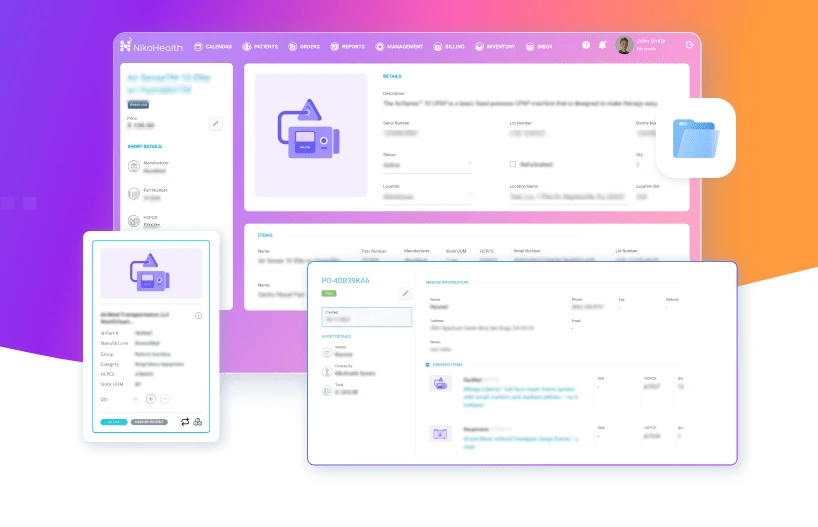
- Inventory and Logistics Management: Advanced software helps suppliers track equipment availability, predict demand, and ensure timely delivery.
- Data Analytics: Insights from patient usage data can help healthcare providers optimize care plans and identify issues before they escalate.
By embracing technology, DME providers and healthcare organizations can deliver a smoother, safer, and more personalized patient experience.
Addressing Common Challenges in DME Management
Despite the importance of DME, healthcare providers often face several challenges in delivering an optimal experience:
- Complex Billing and Insurance Processes: Navigating insurance approvals and reimbursements can be cumbersome for both patients and providers. Simplifying these processes reduces delays and stress.
- Equipment Maintenance and Repairs: Faulty or poorly maintained devices compromise patient safety. Establishing maintenance schedules and rapid repair protocols is essential.
- Patient Noncompliance: Misuse or underuse of DME can hinder recovery. Comprehensive education, support, and follow-up are crucial to addressing this issue.
- Fragmented Care Coordination: Disconnected communication between providers, suppliers, and patients can lead to delays and errors. Integrating DME management with the overall care ecosystem ensures continuity and safety.
Overcoming these challenges requires a commitment to patient-centered strategies, robust training programs, and innovative use of technology.
The Business Case for an Exceptional DME Experience
While enhancing patient care is the primary goal, investing in the DME experience also benefits healthcare organizations and suppliers financially. Key advantages include:
- Reduced Readmissions: Properly used DME reduces complications and hospital readmissions, lowering overall costs.
- Improved Patient Loyalty: Patients who feel supported and informed are more likely to choose the same provider or supplier for future needs.
- Operational Efficiency: Streamlined delivery, training, and maintenance processes improve staff productivity and reduce errors.
- Regulatory Compliance: Meeting quality and safety standards for DME reduces liability and ensures adherence to healthcare regulations.
Organizations that prioritize DME experience position themselves as leaders in patient-centered care while improving operational performance.
Best Practices for Delivering Exceptional DME Experiences
Healthcare providers and DME suppliers can adopt the following strategies to enhance the patient experience:
- Patient-Centered Onboarding: Tailor equipment selection, training, and support to each patient’s specific needs.
- Comprehensive Education Programs: Provide clear instructions, hands-on demonstrations, and digital resources for patients and caregivers.
- Proactive Follow-Up: Schedule routine check-ins to address concerns, provide maintenance guidance, and monitor compliance.
- Integrated Care Coordination: Collaborate with healthcare teams, therapists, and home health agencies to ensure equipment complements the care plan.
- Leverage Feedback: Use patient feedback to continuously improve service quality and equipment offerings.
- Adopt Technology Solutions: Utilize telehealth, mobile apps, and data analytics to monitor patient use and optimize DME delivery and support.
By implementing these best practices, organizations can transform the DME experience from a transactional process into a meaningful aspect of patient care.
Future Trends in DME and Patient Experience
The future of DME is closely tied to innovations that enhance patient care, convenience, and engagement. Emerging trends include:
- Smart Devices: Integration of IoT-enabled DME devices provides real-time monitoring and alerts for patients and caregivers.
- Tele-rehabilitation: Virtual therapy sessions combined with DME allow patients to continue recovery at home while receiving professional guidance.
- AI-Powered Personalization: Artificial intelligence can analyze patient data to recommend the most suitable equipment and usage strategies.
- Sustainable Practices: Eco-friendly materials and energy-efficient devices are becoming increasingly important to patients and providers alike.
Embracing these trends ensures that the DME experience continues to evolve, offering patients better support, safety, and outcomes.
Conclusion
Enhancing patient care goes beyond clinical treatment; it encompasses the tools, support, and experiences that empower patients to recover safely and effectively. By prioritizing the DME experience, healthcare providers and suppliers can improve patient engagement, accelerate recovery, and ensure long-term well-being.
Investing in timely delivery, personalized training, proactive follow-up, and technology-driven support not only benefits patients but also strengthens the operational efficiency and reputation of healthcare organizations. As the healthcare landscape evolves, the role of durable medical equipment—and the experiences surrounding it—will continue to be a cornerstone of quality patient care.





























Sign in to leave a comment.