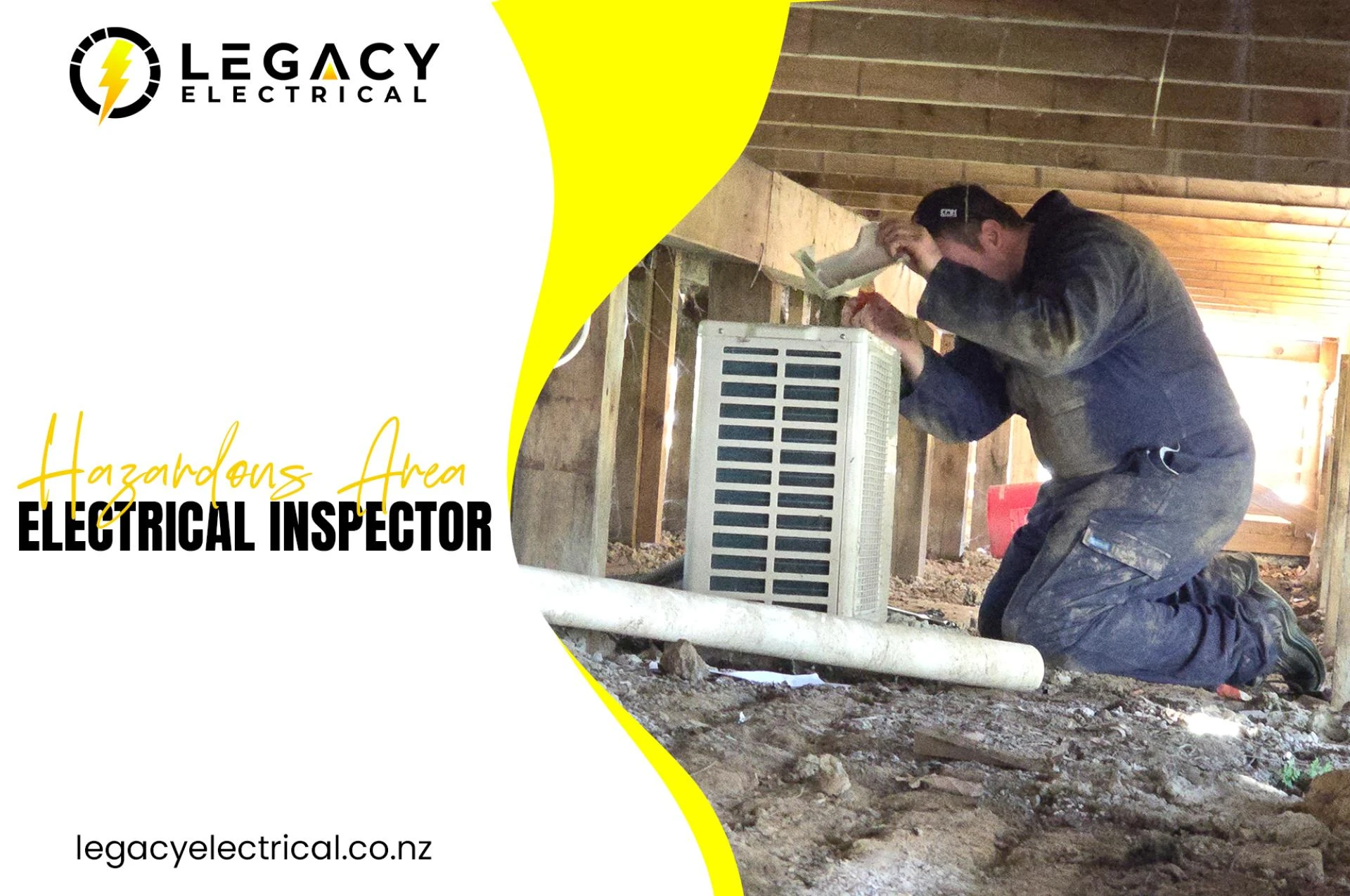

When it comes to electrical safety in New Zealand’s industrial and commercial sectors, few roles are as vital as that of a Hazardous Area Electrical Inspector. These professionals ensure that installations, equipment, and wiring in potentially dangerous environments meet strict safety standards. Whether you operate in oil and gas, manufacturing, food processing, or chemical plants, partnering with a certified inspection expert like Legacy Electrical can be the difference between operational safety and catastrophic failure.
In this comprehensive guide, we’ll explore the importance of hazardous area inspections, what to look for in an electrical inspector, and how Legacy Electrical ensures New Zealand businesses stay safe, compliant, and efficient.
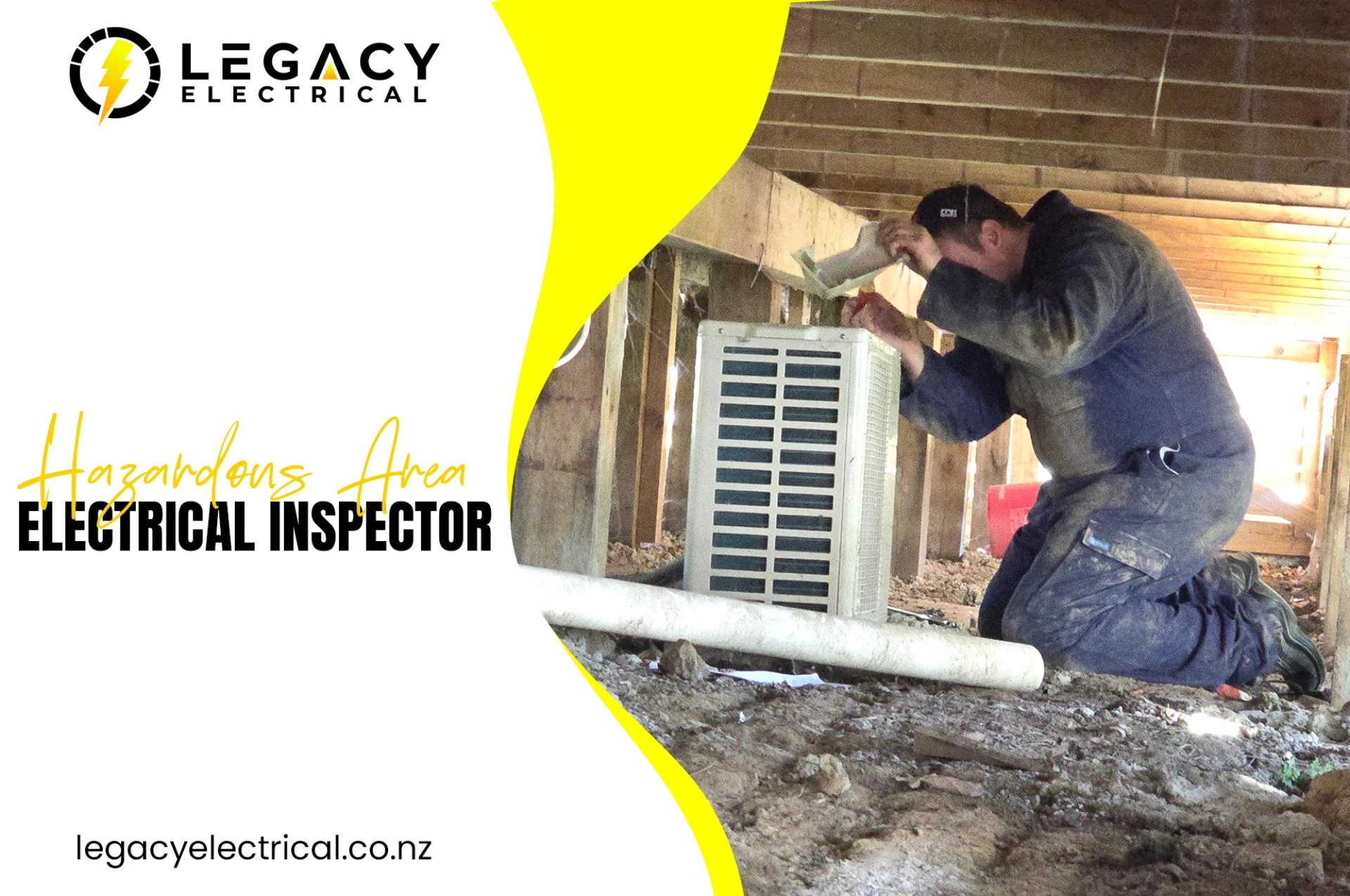
Understanding Hazardous Areas
A hazardous area is any location where explosive gases, vapours, or combustible dusts may be present in sufficient quantities to cause fire or explosion. These include:
- Fuel storage depots and refineries
- Grain silos and feed mills
- Chemical plants and laboratories
- Paint shops and manufacturing facilities
- Wastewater treatment plants
Each of these environments requires a deep understanding of risk management, safety regulations, and explosion protection standards. This is where a Hazardous Area Electrical Inspector plays a crucial role — ensuring all electrical equipment and systems within these environments are correctly designed, installed, and maintained according to AS/NZS standards.
The Role of a Hazardous Area Electrical Inspector
A Hazardous Area Electrical Inspector is a licensed professional trained to assess and verify that electrical installations comply with the relevant safety codes, especially in potentially explosive atmospheres.
Their responsibilities typically include:
- Inspecting Electrical Installations – Checking all components such as junction boxes, cables, conduits, lighting, and motors for compliance.
- Reviewing Documentation – Verifying hazardous area classification drawings, loop diagrams, and inspection records.
- Assessing Equipment Certification – Ensuring all electrical apparatus used in hazardous zones are appropriately certified for the area’s classification.
- Testing and Verification – Performing insulation resistance tests, continuity checks, and verifying earthing systems.
- Reporting and Compliance Guidance – Providing detailed reports with recommendations to meet compliance with AS/NZS 60079 and AS/NZS 3000 standards.
In essence, they safeguard both human life and property by identifying potential hazards before they become incidents.
Why You Need a Certified Electrical Inspector
In New Zealand, electrical inspection isn’t optional — it’s a legal requirement under the Electricity (Safety) Regulations 2010. For hazardous areas, the inspection becomes even more critical due to the high risk of ignition or explosion.
Hiring a certified Electrical Inspector ensures:
- ✅ Regulatory Compliance: Compliance with WorkSafe New Zealand and Energy Safety regulations.
- ✅ Risk Reduction: Prevents fire or explosion risks due to faulty installations.
- ✅ Insurance Compliance: Many insurance providers demand certified inspections for hazardous environments.
- ✅ Operational Continuity: Reduces costly downtime due to unsafe or non-compliant electrical systems.
- ✅ Peace of Mind: Knowing that your operations are verified safe and compliant by a qualified expert.
Common Industries Requiring Hazardous Area Inspections
In New Zealand, various sectors rely heavily on Hazardous Area Electrical Inspectors to ensure workplace safety and compliance. Some common industries include:
- Petroleum and Gas – Fuel depots, LPG filling stations, and refineries.
- Chemical Manufacturing – Facilities dealing with flammable liquids, vapours, and gases.
- Food and Beverage Production – Areas with flour dust, sugar dust, or alcohol vapours.
- Agriculture and Grain Handling – Grain silos, feed mills, and processing plants.
- Water and Wastewater Treatment – Locations where gases such as methane or hydrogen sulphide may form.
- Pharmaceutical Industry – Laboratories using volatile chemicals.
Each of these sectors requires a tailored approach to electrical safety and inspection — and that’s where Legacy Electrical stands out.
Legacy Electrical: New Zealand’s Trusted Hazardous Area Electrical Inspection Experts
Legacy Electrical is one of New Zealand’s most trusted names when it comes to Hazardous Area Electrical Inspections and general electrical safety compliance. The company has built a solid reputation for reliability, precision, and professionalism in every project undertaken.
Why Choose Legacy Electrical?
Certified and Experienced Inspectors
The team comprises fully licensed Hazardous Area Electrical Inspectors and electricians who understand the complexities of working in high-risk environments. They are trained and certified to assess, test, and verify installations according to the highest safety standards.
Comprehensive Inspection Services
Legacy Electrical offers end-to-end electrical inspection solutions — from initial installation reviews to ongoing maintenance checks. This ensures your facility remains compliant throughout its operational lifespan.
Compliance Expertise
Their inspectors are well-versed with AS/NZS 60079 (Explosive Atmospheres), AS/NZS 4761 (Competency requirements for working in hazardous areas), and AS/NZS 3000 (Wiring Rules) — ensuring every inspection meets New Zealand’s legal and safety requirements.
Detailed Documentation and Reporting
Legacy Electrical provides comprehensive inspection reports that clearly outline compliance status, potential hazards, and recommended corrective actions. These reports are essential for regulatory and insurance audits.
Client-Focused Service
The team understands the importance of operational efficiency. They schedule inspections and testing with minimal disruption to your workflow while maintaining thorough attention to safety and compliance.
The Inspection Process at Legacy Electrical
A typical Hazardous Area Electrical Inspection by Legacy Electrical involves the following stages:
1. Pre-Inspection Consultation
The process begins with an initial consultation to understand your facility layout, classification zones, and operational hazards.
2. Site Survey and Equipment Review
Inspectors examine the equipment, enclosures, cabling systems, and labeling to ensure they meet area classification standards.
3. Electrical Testing and Verification
They conduct insulation, earthing, and continuity tests to ensure the electrical integrity of all systems.
4. Compliance Evaluation
Inspection findings are compared against New Zealand electrical standards, including AS/NZS 3000, AS/NZS 60079, and relevant safety codes.
5. Final Reporting and Certification
You receive a detailed compliance report with clear recommendations, risk ratings, and certification where applicable.
6. Ongoing Maintenance and Re-Inspection
Legacy Electrical also provides scheduled maintenance inspections to ensure continuous safety and compliance.
Understanding Compliance Standards in New Zealand
In New Zealand, hazardous area electrical work must comply with several key standards and regulatory frameworks, including:
- AS/NZS 3000: Electrical installations (Wiring Rules)
- AS/NZS 60079: Explosive atmospheres
- AS/NZS 4761: Competency requirements for working in hazardous areas
- Electricity (Safety) Regulations 2010
- WorkSafe New Zealand Guidelines
Non-compliance can result in severe legal, financial, and operational consequences. Regular inspections by certified professionals like Legacy Electrical ensure you meet these standards and protect your business from potential penalties or hazards.
Prioritising Sustainability and Safety
Modern hazardous area inspection goes beyond compliance — it’s about creating sustainable, safe workplaces. Legacy Electrical integrates modern tools, inspection technologies, and eco-conscious practices to reduce risks and improve energy efficiency across facilities.
By using advanced inspection tools and real-time data analysis, their team helps businesses proactively manage electrical systems, anticipate potential issues, and reduce overall operational costs.
What to Look for in a Hazardous Area Electrical Inspector
If you’re considering hiring a Hazardous Area Electrical Inspector in New Zealand, ensure they meet these key criteria:
- Hold current registration with the Electrical Workers Registration Board (EWRB)
- Have proven experience in hazardous area inspections
- Are trained in relevant AS/NZS standards
- Provide comprehensive documentation and clear reporting
- Offer ongoing inspection and maintenance services
Legacy Electrical meets all of these standards, making them a preferred partner for businesses seeking dependable electrical compliance and safety services.
Partner with Legacy Electrical Today
Electrical safety isn’t something you can compromise — especially in hazardous areas. Whether you’re setting up a new facility, upgrading your systems, or need a routine compliance inspection, Legacy Electrical has the expertise and resources to keep your workplace safe and compliant.
With their certified Hazardous Area Electrical Inspectors and a commitment to excellence, you can trust Legacy Electrical to handle even the most complex inspection tasks with precision and care.





























Sign in to leave a comment.