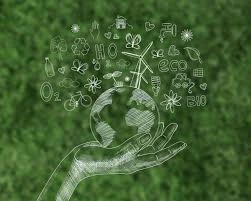

Environmental Impact Assessment (EIA) is a systematic process that evaluates the potential environmental consequences of a proposed project or development. It serves as a vital tool in sustainable development, ensuring that the impact of human activities on the environment is thoroughly understood and mitigated. Environmental Impact Assessment in India has gained significant prominence, shaping the trajectory of development projects across the nation.
What is Environmental Impact Assessment?
At its core, EIA involves identifying, predicting, and evaluating the potential impacts of a proposed project on the environment and public health. This comprehensive analysis takes into account a range of factors, including air and water quality, biodiversity, noise levels, and socio-economic aspects. The goal is to provide decision-makers with the information needed to make informed choices that balance development goals with environmental sustainability.
In India, the EIA process is governed by the Ministry of Environment, Forest and Climate Change (MoEFCC). The National Accreditation Board for Education and Training (NABET) plays a pivotal role in this process by accrediting environmental consultants. These NABET-accredited consultants ensure that the assessments are carried out with adherence to environmental norms.
Significance of Environmental Impact Assessment
Prevention of Environmental Degradation: The foremost significance of EIA lies in its ability to identify potential environmental risks associated with a project. By doing so, it enables the formulation of strategies to prevent or minimise adverse impacts.Public Participation: EIA encourages public participation in the decision-making process. This inclusivity ensures that the concerns of local communities and stakeholders are considered, fostering a sense of responsibility.
Legal Compliance: The environmental impact assessment in India is a legal requirement for many projects. Compliance with EIA regulations is not only a legal obligation but also an ethical commitment towards the environment.
Promoting Sustainable Development: By identifying potential adverse impacts, EIA facilitates the incorporation of mitigation measures and alternatives that promote sustainable development. This ensures that economic progress does not come at the expense of the environment.
Transparency in Decision-making: The EIA process enhances clarity by providing clear information about the potential impacts of a project. This transparency is essential for building trust among the public and stakeholders.
Conclusion
Environmental Impact Assessment is a cornerstone in the pursuit of sustainable development. Its role in helping the environment to stabilise while mitigating the adverse impacts of the works carried out by businesses and enterprises cannot be overstated. With NABET-accredited consultants ensuring the quality of assessments, the EIA process becomes a robust mechanism for fostering development without compromising the delicate balance of our environment.






















Sign in to leave a comment.