
Did you know that rework accounts for nearly 30% of the total cost of an average construction project? According to research from the Construction Progress Coalition, a significant chunk of that waste stems from unresolved design interference. While most firms "do" clash detection, the industry is shifting from simply finding fires to preventing them entirely.
The goal isn't just a clash-free model; it’s a Zero-Clash Culture. This means moving beyond the reactive "clash-and-fix" cycle toward a proactive environment where design intent and constructability live in harmony from day one.
From Detection to Prevention: The Strategy Shift
For years, the standard BIM workflow has been: design, merge, run a clash test, and then spend hours in grueling coordination meetings. However, McKinsey & Company highlights that digital transformation in AEC is most effective when it moves upstream.
Establishing a zero-clash culture requires a fundamental shift in how we view the Common Data Environment (CDE). Instead of treating the federated model as a "testing ground," teams must treat their individual models as precision components. This starts with automated rule-based checking within the authoring software (like Revit or ArchiCAD) before the model ever hits Navisworks or Solibri. When coordinators empower designers to resolve "soft clashes" (clearances and maintenance access) in real-time, the formal coordination meetings can focus on complex "hard clashes" that actually require multidisciplinary decision-making.
Standardizing the "Rules of Engagement"
You can’t have a culture of excellence without a manual of standards. Global standards like ISO 19650 provide the framework, but the "boots on the ground" reality involves defining strict Clash Matrixes at the project's onset.
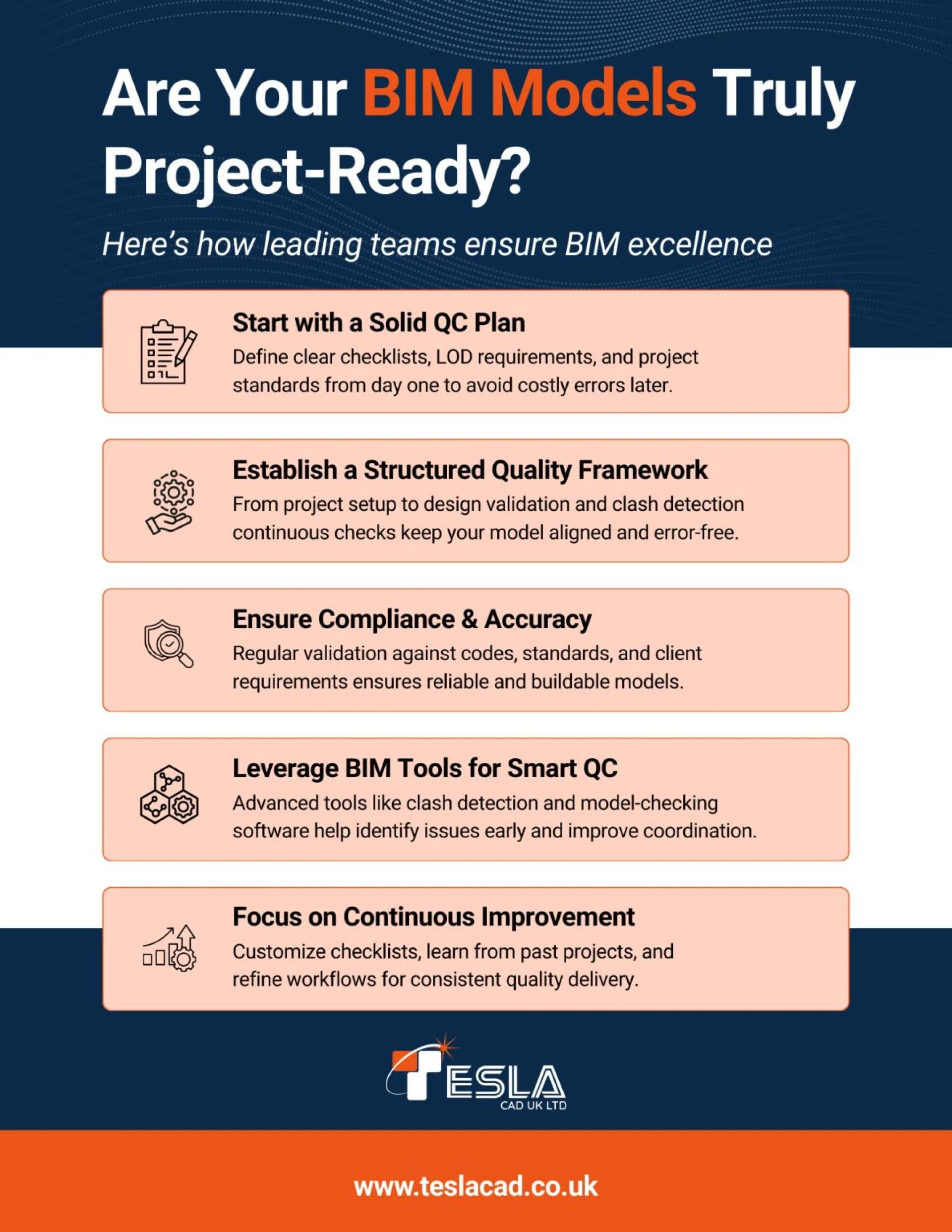
Who has right-of-way? Does the HVAC duct move for the plumbing line, or vice versa? By establishing these hierarchies early, you eliminate the "ego battles" often found in BIM trailers. Furthermore, integrating BIM quality control best practices ensures that the models being merged are actually healthy. A model riddled with "placeholder" families or incorrect naming conventions will generate thousands of "junk" clashes, burying the critical issues under a mountain of digital noise.
Leveraging Advanced Workflows and AI
The future of the Zero-Clash Culture lies in Automation and Machine Learning. Industry leaders are now utilizing BCF (BIM Collaboration Format) snapshots to automate issue tracking, ensuring that no clash falls through the cracks.
We are also seeing the rise of AI-driven grouping. One of the biggest time-wasters for a BIM Coordinator is grouping 500 clashes that all stem from a single misaligned pipe. Advanced algorithms can now identify these patterns, allowing the coordinator to assign one "issue" instead of 500. This efficiency doesn't just save time; it prevents "coordination fatigue," keeping the team sharp and focused on high-level problem solving.
Actionable Takeaways for BIM Leaders
To start building this culture today, consider these immediate steps:
- Implement "Self-Check" Mondays: Require all disciplines to run internal clash tests before the weekly federated upload.
- Define Clearances, Not Just Solids: Ensure your clash tests include "soft" requirements (e.g., space needed to open an electrical panel).
- Gamify Quality: Track which teams provide the cleanest models and highlight their success in project meetings to encourage accountability.
- Prioritize by Cost: Focus on resolving clashes that impact the critical path or involve long-lead items first.
The Road Ahead: Constructability First
As we look toward the future of Digital Twins and Industrialized Construction, the tolerance for error is shrinking to near zero. A Zero-Clash Culture isn't about achieving perfection on a screen; it’s about ensuring that when the steel hits the site, it fits the first time.
By shifting our focus from "fixing errors" to "authoring with intent," we don't just build better models—we build more profitable, sustainable, and less stressful projects for everyone involved. The technology is here; the culture is the next frontier.





























Sign in to leave a comment.