

In 2026, cybersecurity is no longer just a technical concern—it is a business-critical priority. As cyber threats grow more sophisticated, ethical hacking has emerged as a key defense mechanism. Ethical hackers, also known as white-hat hackers, simulate real-world attacks to identify vulnerabilities before malicious actors exploit them. By analyzing real-world case studies, we can better understand how attacks happen, what went wrong, and most importantly, how to prevent them.
Ethical hacking is not just about tools and techniques—it’s about mindset, strategy, and continuous learning. The lessons drawn from real incidents provide invaluable insights for both professionals and organizations.
The Importance of Ethical Hacking in Modern Security
Ethical hacking helps organizations stay one step ahead of cybercriminals. Instead of reacting to breaches, companies proactively test their systems to uncover weaknesses.
With the rise of cloud computing, IoT devices, and remote work environments, the attack surface has expanded significantly. Ethical hackers play a crucial role in identifying vulnerabilities across these complex systems.
In recent years, regulatory frameworks and compliance requirements have also increased the demand for ethical hacking practices, making it an essential component of cybersecurity strategies.
Case Study 1: Social Engineering Attack on a Financial Institution
One of the most common yet effective attack methods is social engineering. In a notable real-world case, attackers impersonated internal IT staff to gain access to sensitive systems.
Employees were tricked into sharing login credentials through convincing emails and phone calls. Once inside, attackers moved laterally across the network, accessing confidential financial data.
The key lesson from this case is that human vulnerability is often the weakest link in security. Even the most advanced systems can be compromised if employees are not adequately trained.
Organizations must invest in regular awareness programs and simulate phishing attacks to strengthen human defenses.
Case Study 2: Ransomware Attack on Healthcare Systems
Ransomware attacks have become increasingly prevalent, especially in critical sectors like healthcare.
In a recent incident, attackers exploited an unpatched vulnerability in a hospital’s network. They encrypted patient records and demanded a ransom for their release.
The impact was severe—operations were disrupted, patient care was delayed, and financial losses were significant.
This case highlights the importance of timely software updates, robust backup systems, and incident response planning.
Ethical hackers often replicate such scenarios to test an organization’s readiness and resilience against ransomware threats.
Case Study 3: Misconfigured Cloud Storage Breach
Cloud misconfigurations are another major source of data breaches.
In one real-world example, a company accidentally exposed sensitive customer data due to improperly configured cloud storage settings. The data was publicly accessible without authentication.
This breach was not caused by a sophisticated attack but by a simple oversight.
The lesson here is clear: security is not just about defense against attackers—it’s also about proper configuration and management of systems.
Regular security audits and automated monitoring tools can help prevent such incidents.
Case Study 4: Supply Chain Attack on Software Systems
Supply chain attacks have gained attention in recent years, targeting trusted software providers to compromise downstream users.
In a high-profile case, attackers inserted malicious code into a software update, which was then distributed to thousands of organizations.
This allowed attackers to gain access to multiple systems without directly targeting each organization.
The key takeaway is the importance of verifying software integrity and implementing strict access controls.
Ethical hackers often test supply chain vulnerabilities to ensure that third-party dependencies do not become entry points for attackers.
Lessons Learned from Real-World Incidents
Analyzing these case studies reveals several common themes.
First, proactive security measures are far more effective than reactive responses. Organizations that regularly conduct penetration testing and vulnerability assessments are better prepared to handle attacks.
Second, security must be a shared responsibility. It is not limited to IT teams—every employee plays a role in maintaining security.
Third, continuous monitoring and updating are essential. Cyber threats evolve rapidly, and outdated systems are easy targets.
Finally, incident response planning is critical. Even with strong defenses, breaches can occur, and the ability to respond quickly can minimize damage.
Role of Ethical Hackers in 2026
Ethical hackers are no longer just testers—they are strategic advisors.
They help organizations design secure architectures, implement best practices, and stay compliant with regulations.
In 2026, ethical hacking is increasingly integrated with AI-driven tools that can identify vulnerabilities faster and more accurately.
This evolution is transforming the role of ethical hackers, making them indispensable in modern cybersecurity frameworks.
Growing Demand for Cybersecurity Skills
The demand for skilled cybersecurity professionals is at an all-time high.
As organizations face increasing threats, they are investing heavily in security talent and training programs.
In India, the growth of cybersecurity education is particularly notable, with many professionals exploring options like a Cyber security course in Hyderabad to gain practical skills and industry exposure.
This trend reflects the rising awareness of cybersecurity as a critical career path.
Importance of Structured Training
While self-learning is valuable, structured training programs provide a comprehensive understanding of ethical hacking concepts.
Many aspiring professionals look for the Best Cyber Security course with Placement to ensure they gain both technical knowledge and career opportunities.
These programs often include hands-on labs, real-world simulations, and mentorship, which are essential for building practical skills.
As cyber threats become more complex, the need for well-trained professionals continues to grow.
Latest Trends and Developments
In 2026, several trends are shaping the field of ethical hacking.
AI-powered cyberattacks are becoming more sophisticated, requiring advanced defense mechanisms.
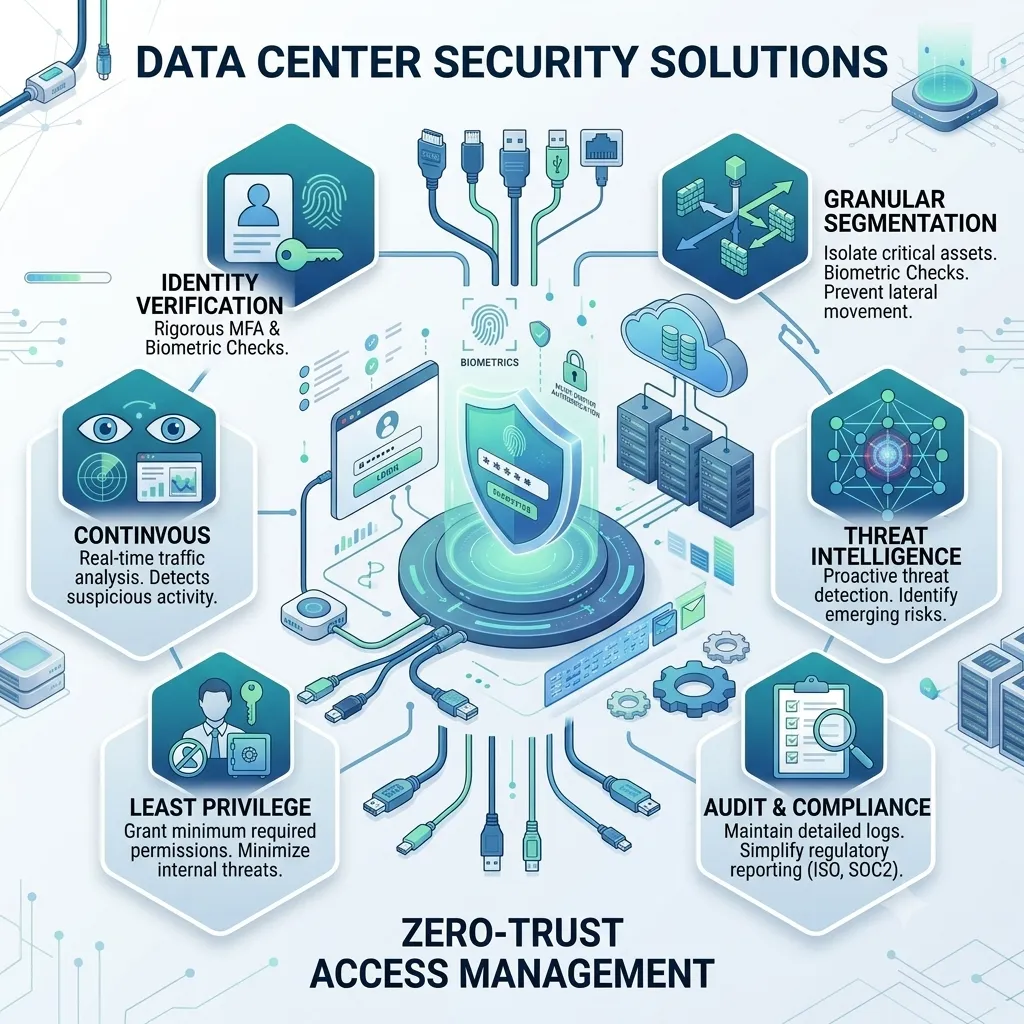
Zero Trust Architecture is gaining widespread adoption, emphasizing strict access controls and continuous verification.
Bug bounty programs are expanding, encouraging ethical hackers to identify vulnerabilities in exchange for rewards.
Governments and organizations are also increasing investments in cybersecurity infrastructure, highlighting the importance of proactive defense strategies.
These developments underscore the evolving nature of cybersecurity and the need for continuous learning.
Conclusion
Real-world ethical hacking case studies provide valuable insights into how cyberattacks occur and how they can be prevented. From social engineering to supply chain attacks, each incident highlights the importance of proactive security measures, continuous monitoring, and skilled professionals.
In 2026, as cyber threats become more advanced, the role of ethical hackers is more critical than ever. Organizations must invest in both technology and talent to stay ahead of attackers.
For aspiring professionals, building expertise through structured learning is essential. As the demand for cybersecurity skills continues to grow, many learners are exploring options like a Cyber Security Certification Training Course in Hyderabad to gain hands-on experience and stay competitive in the industry.
Ultimately, ethical hacking is not just about finding vulnerabilities—it’s about strengthening systems, protecting data, and ensuring trust in an increasingly digital world.

























Sign in to leave a comment.