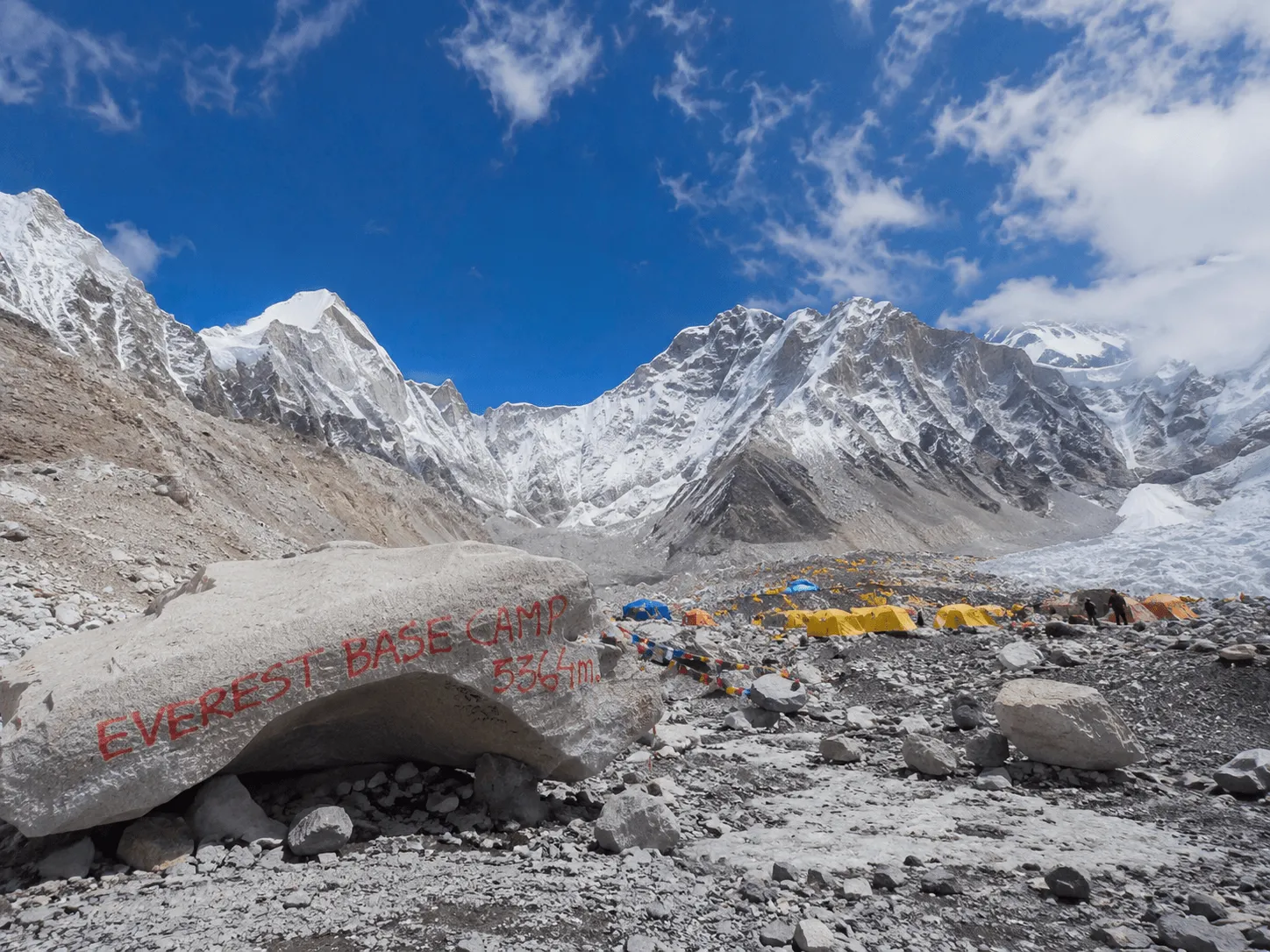


Mount Everest has inspired explorers, climbers and travellers for generations. Rising to 8,848.86 metres above sea level, the world’s highest mountain stands deep within the Himalayan range on the border between Nepal and Tibet. While reaching its summit requires advanced mountaineering experience, costly equipment and serious expedition preparation, trekking to Everest Base Camp offers ordinary adventure lovers a realistic opportunity to enter the heart of the Everest region.
The Everest Base Camp Trek is not simply a journey to a geographical destination. It is a gradual passage through river valleys, pine and rhododendron forests, Sherpa settlements, Buddhist monasteries, glacial landscapes and some of the highest permanently inhabited communities on Earth.
The route normally begins in Lukla and follows the Dudh Koshi River toward Namche Bazaar. From there, it climbs through Tengboche, Dingboche and Lobuche before reaching Gorak Shep, Everest Base Camp and the famous viewpoint of Kala Patthar.
By the end of the trek, travellers have walked beneath mountains such as Everest, Lhotse, Nuptse, Ama Dablam, Thamserku and Pumori. More importantly, they have experienced the hospitality, resilience and cultural traditions of the people who call the Khumbu region home.
This detailed guide explains what the trek is really like, how difficult it is, when to go, how to prepare, what to pack and how to complete the journey safely and responsibly.
Everest Base Camp Trek at a Glance
| Trek detail | Typical information |
|---|---|
| Country | Nepal |
| Trekking region | Khumbu or Everest region |
| Main destination | Everest Base Camp |
| Base Camp altitude | Approximately 5,364 metres |
| Highest common viewpoint | Kala Patthar, approximately 5,545 metres |
| Starting point | Lukla |
| Usual duration | 12–16 trekking days |
| Popular total itinerary | 14 days |
| Accommodation | Teahouses and mountain lodges |
| Trek difficulty | Challenging |
| Main risks | Altitude illness, cold, fatigue and flight disruption |
| Best-known seasons | Spring and autumn |
| Major cultural centre | Namche Bazaar |
| National park | Sagarmatha National Park |
| Technical climbing required | No |
Distances, walking times and altitudes may vary slightly depending on the lodge, trail variation, weather and measurement source.
What Makes the Everest Base Camp Trek Special?
Everest is the obvious attraction, but the trek offers much more than one mountain.
The journey begins in a relatively green landscape where cultivated fields and forested hills surround the lower villages. As the trail rises, the environment changes. Trees become shorter and eventually disappear, the air becomes thinner, and the mountains begin to dominate almost every view.
Prayer wheels, carved mani stones, chortens, monasteries and fluttering prayer flags appear throughout the route. Trekkers cross long suspension bridges above fast-moving rivers and share the trail with porters, yaks, mules and local residents.
The experience combines several important elements:
World-class mountain scenery
Few walking routes place travellers so close to several of the world’s greatest peaks. Ama Dablam often becomes the most visually striking mountain during the middle section of the trek, while Nuptse and Lhotse create a dramatic wall of ice and rock near Base Camp.
Sherpa culture
The word “Sherpa” refers to an ethnic community with a distinct language, history and culture. It should not be used merely as another word for porter.
Sherpa communities have lived in the high Himalayas for generations and have played a central role in the history of Himalayan mountaineering. Villages, monasteries and family-run lodges provide trekkers with opportunities to learn about local traditions rather than viewing the region only as an outdoor playground.
A meaningful physical challenge
The trek does not require ropes, ice axes or technical climbing skills on the standard route. However, reaching more than 5,000 metres on foot is a serious physical and mental achievement.
Success depends less on walking quickly and more on patience, consistency, preparation and responsible acclimatization.
A journey through Sagarmatha National Park
Much of the route passes through Sagarmatha National Park, a protected Himalayan environment containing deep valleys, glaciers, forests, wildlife habitats and some of the world’s highest mountains.
The park is also culturally important because its settlements, monasteries and sacred landscapes are connected to the lives and beliefs of local communities.
Is the Everest Base Camp Trek Difficult?
The Everest Base Camp Trek is commonly classified as challenging. It is achievable for fit beginners, but it should never be described as easy.
The standard trail is not highly technical. Most of the route follows established mountain paths, stone steps, bridges, rocky ground and glacial moraine. The real difficulty comes from the combination of altitude, repeated walking days, cold temperatures and limited recovery.
The main challenges include:
High altitude
Trekkers sleep above 4,000 metres for several nights and eventually walk beyond 5,000 metres. Oxygen availability decreases with altitude, making normal activities feel harder.
A person who can walk quickly at sea level may need to move very slowly in the upper Khumbu.
Consecutive trekking days
A normal itinerary includes many days of walking. Some days may involve only four or five hours on the trail, while longer days can require seven or eight hours.
Even moderate daily distances become tiring when repeated without full rest days.
Steep ascents and descents
The route is not a continuous upward climb. Trekkers repeatedly lose and regain elevation.
The walk from Phakding or Monjo to Namche Bazaar contains a long final ascent. The trail to Tengboche descends before climbing again, and several later sections cross uneven moraine.
Cold and changing weather
Conditions can shift rapidly in the mountains. Mornings may be clear, while cloud, wind or snow develops later.
Temperatures frequently fall below freezing at higher settlements, particularly at night and during the colder months.
Basic facilities
Teahouse accommodation is comfortable compared with camping, but facilities become simpler at higher elevations. Rooms are often unheated, showers may be unavailable or expensive, and electricity and internet can become less reliable.
Do you need previous trekking experience?
Previous multiday trekking experience is useful but not compulsory. A healthy person who trains properly, follows a gradual itinerary and listens to their body has a reasonable chance of completing the route.
However, determination cannot overcome serious altitude illness. Turning back when necessary is responsible decision-making, not failure.
Best Time to Trek to Everest Base Camp
The two most popular trekking periods are spring and autumn.
Spring: March to May
Spring usually brings increasingly mild temperatures, longer daylight and active expedition activity around Everest.
Lower sections of the trail may contain blooming rhododendrons, while higher areas remain cold and exposed. April and May are popular because climbers and support teams establish their camps for the Everest climbing season.
Advantages of spring
- Relatively stable trekking conditions
- Warmer daytime temperatures than winter
- Flowering vegetation at lower elevations
- Lively atmosphere around Base Camp
- Longer daylight as the season progresses
Possible disadvantages
- Busy trails and lodges
- Haze can occasionally reduce distant views
- Weather becomes warmer and more humid toward the monsoon
- Higher demand for flights and accommodation
Autumn: Late September to November
Autumn is often selected for clear mountain views and generally stable conditions after the summer monsoon.
October is particularly popular. By November, the air may become clearer but temperatures begin to fall significantly.
Advantages of autumn
- Frequently clear mountain visibility
- Stable conditions during many periods
- Dry trails after the monsoon
- Good photography opportunities
- Comfortable daytime walking in lower areas
Possible disadvantages
- Crowded flights, trails and lodges
- Cold nights at higher elevations
- Popular lodges may fill quickly
- Prices may be less negotiable during peak demand
Winter: December to February
Winter trekking is possible for experienced and properly equipped travellers. The route is quieter, and clear mountain views are common. However, nights are extremely cold, snow can cover parts of the trail, and some lodges may close.
Winter trekkers need appropriate sleeping equipment, flexible plans and realistic expectations.
Monsoon: June to early September
The summer monsoon brings rain, cloud, muddy trails, flight disruption and reduced mountain visibility. The upper region receives less rainfall than some lower parts of Nepal, but getting to Lukla and moving through the lower trail can still be difficult.
Monsoon trekking can appeal to travellers seeking solitude, yet it requires greater flexibility and tolerance for uncertain weather.
A Typical 14-Day Everest Base Camp Trek Itinerary
A good itinerary should protect acclimatization rather than attempt to reach Base Camp as quickly as possible. The following plan is a widely used structure, but adjustments may be necessary for weather, health and individual walking pace.
Day 1: Fly to Lukla and trek to Phakding
Lukla altitude: Approximately 2,860 metres
Phakding altitude: Approximately 2,610 metres
Walking time: Around 3–4 hours
The journey usually begins with a short mountain flight to Lukla. The airstrip sits high above the surrounding valleys and serves as the main gateway to the Everest region.
After meeting the trekking team and organizing luggage, the trail descends through villages and cultivated land. Prayer walls, small monasteries and views of the Dudh Koshi valley provide an introduction to the region.
Phakding is lower than Lukla, making the first day relatively gentle. Travellers should resist the urge to walk quickly.
Day 2: Trek from Phakding to Namche Bazaar
Namche altitude: Approximately 3,440 metres
Walking time: Around 6–8 hours
This is one of the trek’s first demanding days.
The route follows the river, passes through settlements and crosses several suspension bridges. Trekkers enter Sagarmatha National Park near Monjo and continue toward the famous high suspension bridge below Namche.
The final climb is long and steady. On a clear day, trekkers may receive their first distant glimpse of Everest before reaching Namche Bazaar.
Day 3: Acclimatization day in Namche Bazaar
An acclimatization day does not mean remaining inactive in the lodge. A gradual hike to a higher point followed by a return to Namche helps the body adapt.
Popular options include walking toward the Everest View area, Khumjung, Khunde or nearby viewpoints.
Namche itself contains shops, bakeries, equipment stores, cafes, pharmacies and cultural attractions. It is the main commercial centre of the Khumbu region.
The most important goal is to sleep for a second night at approximately the same altitude.
Day 4: Trek from Namche Bazaar to Tengboche
Tengboche altitude: Approximately 3,860 metres
Walking time: Around 5–6 hours
The trail initially follows a scenic path with views of Everest, Lhotse, Nuptse and Ama Dablam. It then descends toward the river before beginning a sustained climb to Tengboche.
Tengboche is known for its important Buddhist monastery and spectacular mountain setting. Visitors should behave respectfully, follow photography rules and avoid disturbing ceremonies.
Day 5: Trek from Tengboche to Dingboche
Dingboche altitude: Approximately 4,410 metres
Walking time: Around 5–6 hours
The route descends through forest before continuing toward Pangboche and the upper Imja Valley. Vegetation becomes increasingly sparse as the trail rises.
Dingboche is surrounded by stone-walled fields that protect crops from cold winds and grazing animals. At this elevation, many trekkers begin to notice that they are breathing more deeply and walking more slowly.
Day 6: Acclimatization day in Dingboche
This second acclimatization day is essential.
A common hike climbs toward Nangkartshang Hill, although travellers do not need to reach the highest point to gain acclimatization benefits. The aim is to ascend gradually, spend some time higher and then return to Dingboche to sleep.
Anyone experiencing a persistent or worsening headache, nausea, unusual fatigue, dizziness or appetite loss should inform their guide.
Day 7: Trek from Dingboche to Lobuche
Lobuche altitude: Approximately 4,910 metres
Walking time: Around 5–6 hours
The trail continues through a wide, open landscape toward Thukla. A steep climb leads to memorials honouring climbers and mountain workers who lost their lives in the Everest region.
From the memorial area, the route continues across exposed terrain to Lobuche.
The cold becomes more noticeable, and sleep may be less comfortable. Walking slowly and staying hydrated are especially important.
Day 8: Trek to Gorak Shep, visit Everest Base Camp and return
Gorak Shep altitude: Approximately 5,164 metres
Everest Base Camp altitude: Approximately 5,364 metres
Walking time: Commonly 7–9 hours in total
Trekkers leave Lobuche and follow rocky moraine toward Gorak Shep, the final settlement on the standard route.
After checking into a lodge and eating an early meal, most groups continue toward Everest Base Camp. The trail crosses uneven terrain beside the Khumbu Glacier.
Base Camp is marked by prayer flags, stones, signs and the surrounding glacial landscape. During the spring climbing season, expedition tents may spread across part of the glacier.
The summit of Everest is generally not clearly visible from Base Camp because neighbouring mountains block the direct view. The importance of the destination comes from standing beside the Khumbu Icefall and experiencing the environment from which climbing expeditions begin.
Trekkers return to Gorak Shep for the night.
Day 9: Hike to Kala Patthar and descend to Pheriche
Kala Patthar altitude: Approximately 5,545 metres
Walking time: Around 7–8 hours
Many trekkers begin before sunrise for the ascent of Kala Patthar. The climb is physically demanding because of the cold, darkness and altitude.
The viewpoint offers one of the route’s most famous panoramas, including close views toward Everest, Nuptse, Pumori and the Khumbu Glacier.
Sunrise climbs can be extremely cold and windy. A later morning ascent may offer warmer conditions, depending on clouds and the itinerary.
After returning to Gorak Shep for breakfast, trekkers descend past Lobuche toward Pheriche or a nearby settlement.
Day 10: Trek from Pheriche to Namche Bazaar
Walking time: Around 6–8 hours
Although much of the route descends, the day still includes several climbs. Trekkers retrace the path through Pangboche, the Tengboche area and the riverside section before climbing back to Namche.
The return of thicker air and improved appetite is noticeable for many travellers.
Day 11: Trek from Namche Bazaar to Lukla
Walking time: Around 6–8 hours
The trail descends steeply from Namche and crosses the river before passing Monjo, Phakding and several smaller settlements.
The final section rises toward Lukla. Reaching the town marks the end of the walking portion of the journey.
Day 12: Fly from Lukla to Kathmandu
Flights normally operate in the morning because winds and cloud often increase later in the day. Delays and cancellations are possible, even during popular trekking seasons.
Days 13 and 14: Contingency or Kathmandu days
International travellers should keep at least one or two buffer days between the planned Lukla return and their international departure.
These days can absorb flight disruption or be used for sightseeing and recovery in Kathmandu.
Some operators describe the route as a 12-day trek, while others provide 14-, 15- or 16-day packages that include Kathmandu services and additional contingency time.
Understanding Altitude and Acclimatization
Altitude is the most important safety issue on the Everest Base Camp Trek.
Acute mountain sickness can affect fit, young and experienced travellers. Physical strength does not provide immunity, and previous success at altitude does not guarantee the same response on another trip.
Common early symptoms may include:
- Headache
- Nausea
- Reduced appetite
- Dizziness
- Unusual fatigue
- Poor sleep
- Shortness of breath during light activity
These symptoms should never be hidden from a guide or trekking companion.
A mild headache does not always mean a serious emergency, but worsening symptoms require attention. A person with altitude-related symptoms should not continue ascending until they have improved.
Serious warning signs
Immediate descent and medical assistance may be necessary if a trekker develops:
- Confusion or unusual behaviour
- Inability to walk in a straight line
- Severe loss of coordination
- Breathlessness while resting
- A wet or persistent cough
- Severe weakness
- Blue or grey lips or skin
- Extreme drowsiness or difficulty waking
These may indicate life-threatening forms of altitude illness.
Practical acclimatization principles
- Follow an itinerary with proper rest days.
- Walk slowly, even when feeling strong.
- Avoid racing other trekkers.
- Increase sleeping altitude gradually.
- Take short acclimatization hikes and return lower to sleep.
- Eat regularly despite reduced appetite.
- Drink enough fluid without forcing excessive amounts.
- Avoid alcohol during the ascent.
- Report symptoms early.
- Never use medication as permission to ignore worsening symptoms.
Travellers considering acetazolamide or other altitude-related medication should speak with a qualified medical professional before the trek. Medication can support acclimatization in certain circumstances, but it does not replace gradual ascent.
Permits and Current Trekking Requirements
Visitors normally need several registrations or permits for the Everest Base Camp route.
Sagarmatha National Park entry permit
This permit supports entry into the protected national park. It can generally be arranged before the trek or obtained at an authorized entry point.
Khumbu Pasang Lhamu Rural Municipality Trek Card or local entry registration
The municipality operates its own local visitor registration and fee system. A passport is normally required.
TIMS card
Nepal Tourism Board currently includes the Everest Base Camp Trek among routes covered by the revised Trekkers’ Information Management System provisions.
The card is generally issued through a registered trekking agency.
Licensed trekking guide
Under Nepal Tourism Board’s published framework, Everest Base Camp is listed among routes requiring travellers to be accompanied by a licensed trekking guide.
Requirements, fees and implementation procedures may change. Travellers should verify the latest rules with Nepal Tourism Board, the local municipality or a government-registered trekking agency before departure.
Carry printed or offline copies of:
- Passport information
- Nepal visa
- Travel insurance
- Emergency contact details
- Permit documents
- Flight information
- Guide and agency contact details
How Much Does the Everest Base Camp Trek Cost?
The total cost varies considerably. A budget independent-style package, a private guided trek and a premium lodge itinerary will not cost the same.
The main cost categories include:
International travel
Flights to Nepal are usually the largest expense for travellers arriving from Europe, North America or Australia.
Kathmandu accommodation
Most visitors spend at least two nights in Kathmandu before the trek and one or more nights afterward.
Lukla flights or ground approach
The cost depends on the departure airport, season and transport arrangements. During some periods, Lukla flights may operate from Ramechhap rather than Kathmandu, requiring an early overland transfer.
Guide and porter services
Rates depend on experience, responsibilities, insurance, equipment, season and the size of the trekking group.
Permits and registration
National park, municipal and TIMS-related charges should be included in the budget.
Teahouse accommodation
Room prices are generally lower than meal prices because lodges earn much of their income through food and services. Guests are normally expected to eat at the lodge where they stay.
Food and drinking water
Food becomes more expensive with altitude because supplies must be transported by aircraft, porter or pack animal.
Charging, internet and showers
These are often charged separately and usually become more expensive higher on the trail.
Equipment
Travellers without suitable boots, layers, sleeping bags and down jackets may need to purchase or rent them in Kathmandu.
Insurance
A suitable policy should cover high-altitude trekking and emergency evacuation at the maximum elevation included in the itinerary.
Tips and personal spending
Tips for trekking staff, snacks, hot drinks, laundry, souvenirs and unplanned expenses should be included.
A complete guided package often provides better cost predictability, while pay-as-you-go travel requires careful management of cash and unexpected expenses.
ATMs should not be relied upon after Namche. Carry sufficient Nepalese rupees while avoiding unnecessary amounts of cash.
Accommodation on the Trail
Most trekkers stay in teahouses, which are locally operated mountain lodges.
A standard room usually contains two single beds, mattresses, pillows and blankets. Rooms are rarely heated. The dining room may have a stove that operates during busy evening hours.
At lower elevations, some lodges offer private bathrooms, hot showers, reliable charging and strong internet. Higher on the route, facilities become simpler.
What to expect
- Shared rooms or twin rooms
- Shared toilets at many lodges
- Squat or Western-style toilets
- Limited hot water
- Solar or generator-powered electricity
- Paid charging and internet
- Unheated bedrooms
- Cold corridors and bathrooms
- Blankets of varying quality
A warm sleeping bag is valuable even when blankets are provided. A sleeping-bag liner also improves hygiene and warmth.
During peak season, guides often contact lodges in advance. Private rooms may not always be available in smaller settlements.
Food and Drinking Water
Teahouse menus are surprisingly varied. Common choices include:
- Dal bhat
- Fried rice
- Noodles
- Soup
- Potatoes
- Pasta
- Momos
- Eggs
- Porridge
- Pancakes
- Toast
- Tibetan bread
- Tea, coffee and hot lemon drinks
Dal bhat is especially popular because it provides rice, lentil soup, vegetables and carbohydrates needed for long walking days.
Food variety and freshness become more limited at higher elevations. Heavy meat dishes should be selected carefully because refrigeration and transportation conditions vary.
Drinking water
Buying disposable plastic bottles throughout the trek creates waste and becomes expensive. Better options include:
- Boiled water from lodges
- Properly filtered water
- Purification tablets or drops
- A reliable filtration system combined with chemical treatment when appropriate
Trekkers should understand how to use their chosen purification method before departure.
A reusable bottle and insulated flask are useful. Water can freeze overnight at high elevations, so keep bottles inside the room or sleeping bag.
Essential Packing List
Packing too much creates unnecessary strain, while forgetting critical layers can affect safety.
A porter’s load should remain within ethical and agreed limits. Travellers carrying their own daypack should aim for a manageable weight.
Clothing
- Moisture-wicking base layers
- Warm mid-layer or fleece
- Insulated down or synthetic jacket
- Waterproof shell jacket
- Waterproof trousers
- Trekking trousers
- Thermal leggings
- Several pairs of trekking socks
- Warm hat
- Sun hat or cap
- Neck gaiter or buff
- Light gloves
- Insulated gloves or mittens
- Comfortable clothing for evenings
Cotton is slow to dry and provides limited warmth when wet.
Footwear
- Broken-in waterproof trekking boots
- Lightweight lodge shoes or sandals
- Gaiters during snowy periods
- Spare laces
- Blister treatment materials
New boots should not be worn for the first time in Nepal.
Sleeping and bags
- Four-season or suitably rated sleeping bag
- Sleeping-bag liner
- Duffel bag for porter-carried equipment
- Daypack with rain cover
- Dry bags or waterproof packing sacks
Health and personal care
- Personal prescription medication
- Compact first-aid supplies
- Blister treatment
- Oral rehydration salts
- Sunscreen with high protection
- Lip balm with sun protection
- Hand sanitizer
- Toilet paper
- Wet wipes
- Quick-drying towel
- Menstrual products where required
- Small personal hygiene kit
Discuss altitude medicine, allergies and existing medical conditions with a healthcare professional.
Equipment and electronics
- Trekking poles
- Headlamp with spare batteries
- UV-protective sunglasses
- Reusable water bottles
- Water purification method
- Power bank
- Charging cables
- Universal adapter
- Offline maps
- Camera and spare memory cards
- Spare batteries protected from cold
Cold weather drains batteries quickly. Keep electronics close to the body or inside the sleeping bag overnight.
Documents and money
- Passport
- Visa copy
- Permit copies
- Insurance information
- Emergency contacts
- Passport photographs if requested
- Nepalese rupees
- Waterproof document pouch
Should You Hire a Guide and Porter?
A qualified guide provides far more than navigation.
Guides can help with permits, lodge arrangements, communication, changing trail conditions, altitude monitoring and emergency decisions. Their local language ability and cultural knowledge can also make the journey more meaningful.
When choosing a guide or agency, ask:
- Is the business registered in Nepal?
- Is the guide licensed?
- Does the guide have high-altitude first-aid training?
- Are staff insured?
- What equipment does the team carry?
- How does the company respond to altitude illness?
- Are itinerary changes allowed for acclimatization?
- What is included in the price?
- What load will each porter carry?
- Are staff paid fairly and provided with proper clothing?
A porter can make the trek more comfortable by carrying the main duffel while the traveller carries a daypack. Porter support also provides employment within mountain communities.
However, ethical treatment matters. Porters should not be overloaded or sent into cold conditions without suitable equipment, accommodation and insurance.
How to Train for the Trek
A sensible training plan should begin at least eight to twelve weeks before departure. Travellers with limited fitness may benefit from a longer preparation period.
Cardiovascular training
Activities may include:
- Brisk walking
- Hiking
- Stair climbing
- Cycling
- Swimming
- Light running
- Inclined treadmill sessions
The goal is to build steady endurance rather than maximum speed.
Strength training
Focus on:
- Squats
- Lunges
- Step-ups
- Calf raises
- Core exercises
- Glute strengthening
- Controlled downhill movement
Strong legs are important for both climbing and descending.
Practice hikes
Complete several long walks on consecutive days. Use the boots, socks, poles and daypack planned for Nepal.
Back-to-back training days help reveal problems that one short workout may not show.
Recovery and mobility
Include rest days, stretching and adequate sleep. Arriving injured from excessive training is worse than arriving slightly undertrained but healthy.
Fitness helps a trekker tolerate long walking days, but it does not prevent altitude illness.
Lukla Flights and Weather Delays
The flight to Lukla is one of the most memorable parts of the journey, but it is also a major source of uncertainty.
Mountain weather changes quickly, and flights operate under visual conditions. Cloud, wind or poor visibility can delay or cancel departures.
Important planning advice
- Keep buffer days at the end of the trek.
- Avoid booking an international flight immediately after the planned Lukla return.
- Prepare for early-morning departures.
- Confirm whether flights operate from Kathmandu or Ramechhap.
- Keep essential medication and documents in hand luggage.
- Understand the airline’s baggage allowance.
- Remain flexible if the schedule changes.
Helicopters may sometimes operate when fixed-wing flights cannot, but they are expensive and still depend on safe weather.
Weather delay is part of Himalayan travel, not necessarily evidence of poor organization.
Travel Insurance and Emergency Planning
Ordinary travel insurance may not cover trekking above 4,000 or 5,000 metres. Read the policy wording carefully.
The policy should cover:
- Trekking up to at least 5,600 metres
- Emergency helicopter evacuation
- Medical treatment and hospitalization
- Trip interruption
- Flight cancellation or delay
- Lost or delayed baggage
- Repatriation where applicable
Carry the insurer’s emergency telephone number and policy details offline.
Helicopter evacuation should be based on genuine medical need and coordinated through qualified professionals. Travellers should be cautious of unnecessary evacuation schemes or unclear financial arrangements.
Responsible and Respectful Trekking
The Everest region is not an empty wilderness. It is home to communities with religious traditions, family businesses, farms, schools and local government.
Responsible trekking helps protect both the environment and the people who sustain tourism.
Respect religious customs
Walk clockwise around mani walls, chortens and other Buddhist monuments where local practice requires it.
Ask before photographing people, ceremonies or the inside of monasteries. Remove hats and shoes where requested.
Reduce waste
Carry reusable bottles and avoid unnecessary plastic packaging. Keep small waste items such as batteries, wipes and wrappers until they can be disposed of properly.
Do not leave toilet paper, wet wipes or sanitary products on the trail.
Conserve energy
Fuel is expensive and difficult to transport in the upper Khumbu. Avoid taking long showers simply because hot water is available.
Use charging and heating resources responsibly.
Protect water sources
Use toilets where available. Never wash with soap directly in rivers or streams.
Respect animals and porters
Yaks, dzopkios and mules have priority on narrow trails. Stand on the uphill side and allow them to pass.
Do not block the route while taking photographs. Be aware that porters may carry wide loads and require space.
Support the local economy
Stay in locally operated lodges, buy locally made products where possible and treat staff with respect.
A fair tip is appreciated when service has been good, but it should not replace proper wages.
Common Mistakes to Avoid
Ascending too quickly
Removing acclimatization days to save time increases risk. A faster itinerary is not necessarily a better one.
Walking at someone else’s pace
Trying to match a faster group member can cause exhaustion. A steady pace that permits comfortable breathing is more sustainable.
Ignoring early symptoms
Trekkers sometimes hide headaches or nausea because they fear being asked to descend. This can turn a manageable problem into an emergency.
Packing too much
Large quantities of clothing, cosmetics and electronics add weight without improving the experience.
Depending entirely on digital payment
Internet and payment systems may fail. Carry adequate Nepalese cash.
Booking flights too tightly
A same-day connection between Lukla and an international flight is extremely risky.
Wearing untested equipment
Boots, socks, backpacks and medication should be tested before departure.
Treating Base Camp as the only goal
Rushing past villages, monasteries and viewpoints misses much of what makes the trek meaningful.
Is Everest Base Camp Suitable for Solo Travellers?
Solo travellers frequently join small groups or arrange private guides.
A group can reduce cost, provide companionship and make difficult days emotionally easier. A private itinerary offers greater control over walking pace, rest stops and accommodation.
Travellers should check current regulations before planning to walk without a guide. Even where independent movement appears possible, a licensed local guide provides valuable support in an environment affected by altitude, weather and limited medical access.
Can Older Travellers Complete the Trek?
Age alone does not determine suitability.
Healthy travellers in their sixties and seventies have completed the route, while younger people sometimes struggle. Cardiovascular fitness, joint condition, medical history, recovery ability and altitude response are more relevant than age.
Older travellers should:
- Obtain medical advice
- Choose a slower itinerary
- Use trekking poles
- Train consistently
- Allow extra recovery time
- Consider porter support
- Avoid pressure to keep up with faster groups
Can Children Trek to Everest Base Camp?
Some families complete high-altitude treks, but taking children above 5,000 metres requires serious consideration.
Young children may have difficulty describing symptoms accurately. Parents should seek specialist medical advice, use a conservative itinerary and be prepared to descend immediately.
Reaching Base Camp should never be treated as more important than a child’s wellbeing.
Frequently Asked Questions
Can you see Mount Everest from Everest Base Camp?
The summit is not usually seen clearly from the main trekking point at Base Camp because surrounding mountains block much of the view. Kala Patthar provides a better perspective of Everest.
Do I need mountaineering experience?
No technical climbing experience is required for the standard Everest Base Camp route. Strong fitness, preparation and responsible acclimatization are more important.
How high is Everest Base Camp?
The commonly quoted altitude of Nepal’s southern Everest Base Camp is approximately 5,364 metres.
Because the camp lies on a moving glacier, exact measurements and positions can vary.
What is the highest point of the standard trek?
Kala Patthar, at roughly 5,545 metres, is normally the highest point reached on a classic itinerary.
How many hours do you walk each day?
Most days involve four to seven hours of walking. Base Camp day, Kala Patthar day and the return to Lukla can be longer.
Is there mobile phone coverage?
Coverage exists in parts of the route but is inconsistent. Weather, location and network conditions affect reliability.
Do not depend on continuous service.
Is Wi-Fi available?
Many teahouses offer paid Wi-Fi or regional internet cards. Connection speed and reliability vary, especially above Dingboche.
Are showers available?
Hot showers are available in many settlements for an additional fee. Facilities become more basic and expensive higher on the route.
Many trekkers reduce shower frequency in the cold upper region.
Can I charge my phone and camera?
Charging is available at most lodges for a fee. Carrying a power bank and spare batteries is recommended.
Is vegetarian food available?
Yes. Vegetarian options such as dal bhat, noodles, rice, potatoes, soup, pasta and momos are widely available.
What happens when someone becomes sick?
The first response depends on the symptoms. Mild altitude symptoms may require rest at the same altitude, while worsening or severe symptoms require descent and medical evaluation.
Helicopter evacuation may be used in serious cases when weather permits.
Is a sleeping bag necessary?
Yes. Lodge blankets may not be sufficient or consistently clean. A properly rated sleeping bag provides warmth and reassurance.
How cold does it get?
Temperatures depend on the month, altitude and weather. Higher settlements can fall well below freezing at night, even during popular trekking seasons.
Should I carry oxygen?
Most trekkers do not use supplemental oxygen on a standard, well-paced itinerary. Some professional teams carry emergency oxygen for medical situations.
Oxygen should not be used to hide symptoms while continuing upward without proper assessment.
Can the trek be completed without flying to Lukla?
Yes. Longer approaches can begin from road-accessible parts of Solukhumbu, including routes through Salleri or nearby areas. These add several walking days but provide more gradual acclimatization and reduce dependence on Lukla flights.
Is Kala Patthar compulsory?
No. It is an optional but highly recommended viewpoint. Travellers who are unwell, exhausted or experiencing altitude symptoms should not attempt it merely for a photograph.
Is Everest Base Camp crowded?
The route can be busy during April, May, October and early November. Starting early, using a flexible itinerary and staying in smaller settlements can reduce some crowding.
Final Thoughts
The Everest Base Camp Trek deserves its reputation as one of the world’s great mountain journeys, but its value cannot be measured only by whether a traveller reaches the final sign at Base Camp.
The experience begins much earlier: during the first view down the Lukla valley, the sound of prayer wheels beside the trail, the climb into Namche Bazaar and the appearance of Ama Dablam above the forest.
It continues through quiet mornings in mountain lodges, conversations with local families, slow steps in thin air and the realization that progress at altitude cannot be forced.
Everest teaches patience. The safest trekkers are not always the strongest or fastest. They are the ones willing to walk slowly, communicate honestly, respect changing conditions and turn back when necessary.
With proper training, a realistic itinerary, suitable insurance, reliable local support and respect for the communities of the Khumbu, Everest Base Camp can become far more than a bucket-list achievement. It can be a deeply human journey through one of the most extraordinary landscapes on Earth.

























Sign in to leave a comment.