

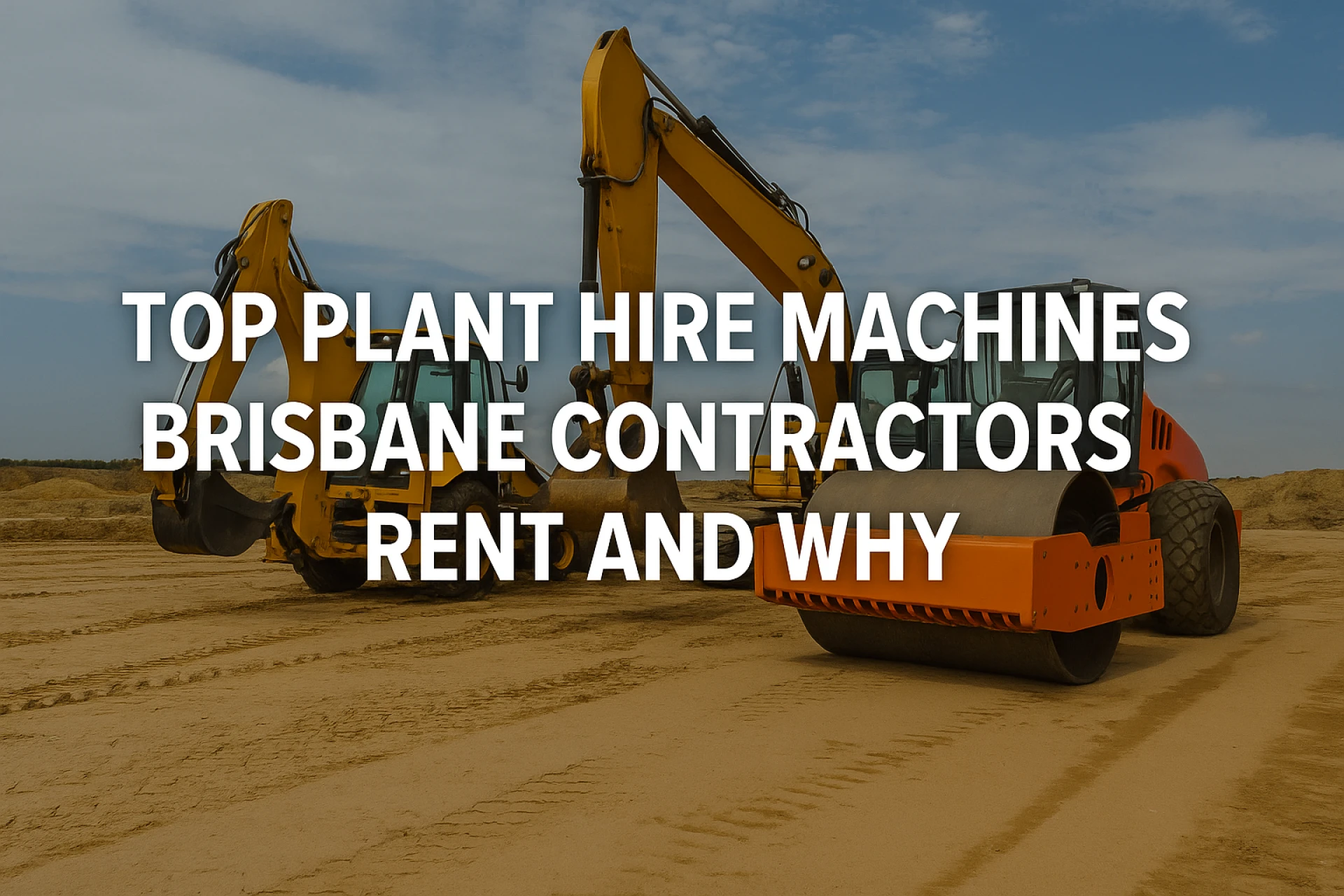
Mismatched machinery gridlocks tier-1 infrastructure projects faster than bad weather conditions. Selecting commercial excavator hire QLD systems requires balancing structural load limits against production deadlines. Skimping on machine footprints to save on upfront transport fees usually backfires when a smaller arm fails to make headway through Brisbane's tough, hard clay. For anyone considering excavator hire or any other earthmoving equipment hire, tonnage is usually the first specification to consider.
EXCAVATOR HIRE: BIGGER ISN'T ALWAYS BETTER
People often assume that a larger excavator or a bigger wet hire long reach excavator in Brisbane translates into faster production. It does not happen all the time, and this decision can create access problems, elevated transport costs, and unnecessary fuel burn.
TYPICAL APPLICATIONS INCLUDE:
- 1–8 tonne: tight-access residential work, landscaping and service trenches
- 13–20 tonne: subdivisions, drainage and general civil projects
- 21–35 tonne: bulk earthworks and road construction
- 40 tonne+: quarry, mining support and major infrastructure works
This sweet spot for many Queensland civil contractors sits around the 20-30 tonne range. This excavator hire in Brisbane is suitable for moving materials efficiently and is a practical decision for most sites.
TONNAGE CLASS AND LIFT CAPACITY NEED CONTEXT
Lift charts are always important, but equally important is determining site conditions, and in fact, vendors of dry hire long reach excavators in Brisbane consider site condition assessment more important.
Wet weather conditions across South East Queensland can quickly change ground stability. In this situation, a heavier machine will surely deliver greater reach and bucket capacity, but ground pressure will be an important consideration.
SMALL DETAILS THAT AFFECT PRODUCTIVITY
Machine size gets the maximum attention, but other factors also regularly influence the output: Quick examples include –
- Quick-hitch and attachment changes
- Bucket selection
- Ground conditions
- Haul distances
- Operator skill
According to guidance from The Australian Constructors Association and Safe Work Australia, equipment suitability and operator competency are the key factors in reducing site incidents and productivity losses.
FAQs
WHAT AFFECTS EXCAVATOR HIRE QLD PRICING MOST?
Tonnage, transport and whether the hire is wet or dry.
WHEN DOES EXCAVATOR HIRE BRISBANE NEED A BIGGER MACHINE?
When the reach, lift or spoil volume becomes the bottleneck.
IS WET HIRE SAFER FOR BUSY CIVIL SITES?
Usually yes, because the operator and the machine arrive as one unit.
WHAT ARE TONNAGE CLASSES AND LIFT CAPACITIES USED FOR?
They help match machine size to load, reach and site limits.
ARE OPERATOR LICENSING ACROSS QLD RULES STRICT?
Competency is the main issue, and records should be kept on file.
WHAT EXCAVATOR SIZE SUITS SUBDIVISION WORKS?
Typically 13–30 tonne machines, depending on material volumes and site access.
DOES EXCAVATOR HIRE ALWAYS INCLUDE ATTACHMENTS?
Not necessarily. Confirm inclusions before booking.
SUMMARY
The best hire choice is the one that matches the site, not the one that looks strongest on the invoice. If the tonnage split is still unclear, a quick project review is usually cheaper than booking the wrong class.























Sign in to leave a comment.