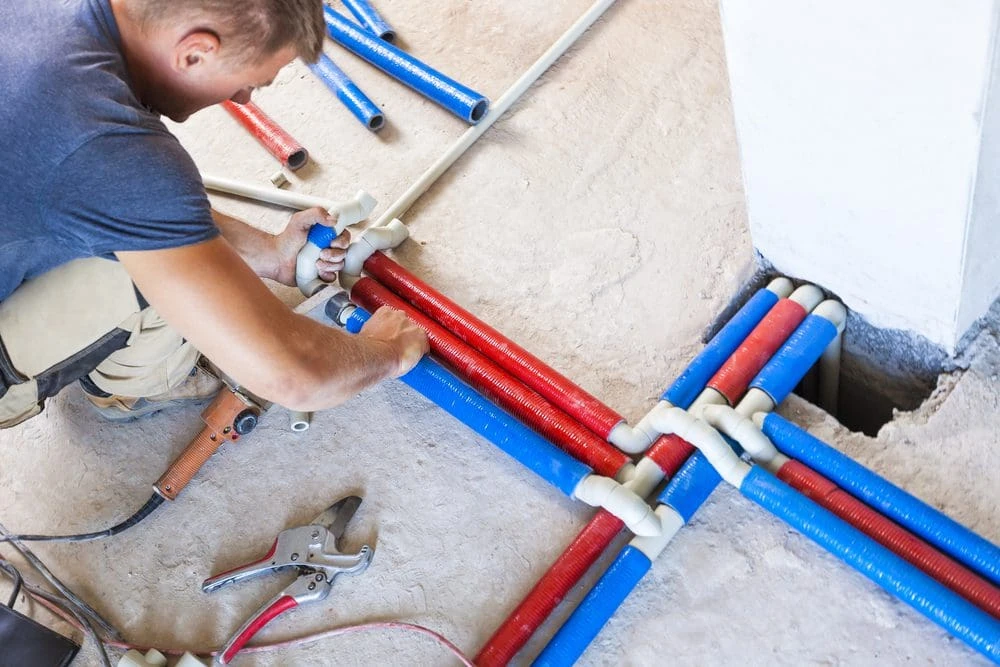
Efficient wastewater management is a critical component of any property’s infrastructure. Whether you own a residential home or manage a commercial facility, systems such as septic tank plumbing, sewer line repairs, and septic system installation must be designed, installed, and maintained correctly to avoid health risks and costly repairs. This guide provides expert insights into system functionality, common challenges, and professional solutions.
The Role of Septic Tank Plumbing in Wastewater Management
Septic tank plumbing is responsible for transporting wastewater from sinks, toilets, and drains into the septic tank for treatment. This system separates solids from liquids, allowing wastewater to be safely processed and released into the drain field.
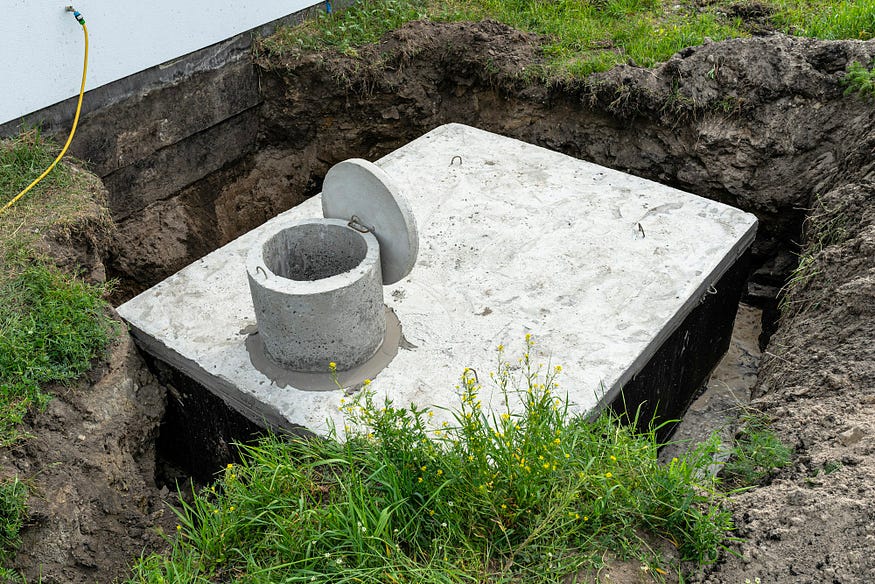
A well-designed septic tank plumbing system includes:
- Properly sloped drainage pipes
- Secure inlet and outlet connections
- Vent pipes to release sewer gases
- High-quality materials resistant to corrosion
Any flaw in septic plumbing can disrupt the entire system, leading to backups, foul odors, and soil contamination. Professional installation ensures long-term performance and regulatory compliance.
Common Septic Plumbing Problems and Their Impact
Over time, septic tank plumbing may experience issues due to misuse or environmental factors. Common problems include:
- Pipe blockages caused by grease or solids
- Structural damage from soil shifting
- Tree root infiltration
- Poor-quality or aging pipes
Ignoring these problems can cause septic tank overflow and drain field failure. Routine inspections and maintenance significantly reduce the risk of major repairs.
Understanding the Importance of Sewer Line Repairs
Municipal sewer connections rely on underground pipelines to carry wastewater away from buildings. When these pipelines deteriorate, professional sewer line repairs become essential.
Typical causes of sewer line damage include:
- Pipe corrosion
- Ground movement and erosion
- Heavy loads above buried pipes
- Invasive tree roots
Timely sewer line repairs restore proper wastewater flow and prevent sewage backups that can damage foundations and interiors.
Modern Solutions for Sewer Line Repairs
Thanks to advancements in plumbing technology, sewer line repairs are now faster and less invasive. Experts commonly use:
- Video camera inspections for accurate diagnostics
- Trenchless pipe lining to repair cracks internally
- Pipe replacement for severely damaged lines
These techniques reduce property disruption while ensuring durable and long-lasting results.
Septic System Installation: A Critical Investment
A professional septic system installation is a long-term investment in property safety and functionality. Improper installation can lead to frequent failures, environmental harm, and legal complications.
The septic system installation process typically includes:
- Site evaluation and soil testing
- System design based on water usage
- Permit approvals
- Tank and drain field installation
- Final system testing
Each step must be completed precisely to ensure efficient wastewater treatment.
Selecting the Right Septic System Design
During septic system installation, professionals choose a system type based on site conditions and usage requirements. Options include:
- Gravity-fed septic systems
- Aerobic treatment units for enhanced filtration
- Pressure distribution systems
- Mound systems for poor soil drainage
The correct design improves system efficiency and reduces long-term maintenance needs.
Best Practices for System Longevity
To maximize the lifespan of septic tank plumbing, sewer line repairs, and septic system installation, homeowners should follow these expert-recommended practices:
- Pump the septic tank regularly
- Avoid disposing of chemicals and non-biodegradable items
- Schedule annual inspections
- Monitor water usage
Preventive maintenance protects both the system and surrounding environment.
FAQs
1. What causes septic tank plumbing to fail?
Improper waste disposal, lack of maintenance, and aging pipes are common causes of septic tank plumbing failure.
2. How urgent are sewer line repairs?
Delaying sewer line repairs can lead to sewage backups, health risks, and costly property damage.
3. Is septic system installation required for new construction?
Yes, properties not connected to municipal sewer systems require professional septic system installation.
4. How long does a septic system function properly?
With proper care, a well-executed septic system installation can last several decades.
5. Are inspections necessary after sewer line repairs?
Yes, inspections ensure that sewer line repairs meet safety and performance standards.
Final Takeaway
Reliable wastewater management depends on expert septic tank plumbing, timely sewer line repairs, and professional septic system installation. By investing in quality installation and proactive maintenance, property owners can ensure safe operation, regulatory compliance, and long-term system durability.


























Sign in to leave a comment.