


Your Pipes Are Talking — Are You Listening?
That slow drain in your kitchen. That weird gurgling sound coming from the bathroom at 2 a.m. That smell you can't quite explain near the backyard. These aren't random problems — they're your sewer system waving a red flag. If you've been searching for expert sewer repair in Granada Hills, you're not alone. Homeowners across the San Fernando Valley deal with aging pipes, root intrusion, and sewer line collapses every single day. The good news? Most of these problems are fixable — if you catch them early and work with the right team.
What Is Sewer Repair, and Why Does It Matter So Much?
Sewer repair is the process of diagnosing, fixing, or replacing damaged sections of your underground plumbing — the pipes that carry wastewater away from your home. Think of your sewer line like the highway your home's waste travels on. When that highway gets a pothole, a crack, or a full-blown collapse, everything backs up.
And in an area like Granada Hills, where many homes were built in the 1950s through 1980s, those old clay and cast iron pipes are starting to give out. According to the American Society of Civil Engineers, the average age of sewer infrastructure in the U.S. is over 45 years. That means millions of homeowners are sitting on a ticking clock.
Why Granada Hills Homeowners Face Unique Sewer Challenges
Is the Soil in Granada Hills Causing My Sewer Problems?
Actually — yes. The San Fernando Valley has expansive clay soil that shifts significantly with rain and dry spells. When the ground moves, so do your pipes. That constant shifting causes joints to separate, cracks to form, and tree roots to find their way inside.
Add to that the large, mature trees common in Granada Hills neighborhoods — jacarandas, ficus, and pepper trees — and you've got a root intrusion situation waiting to happen. Tree roots follow water, and your sewer line is basically a root magnet underground.
Why Do Older Homes Have More Sewer Problems?
Older homes in Granada Hills often still have the original clay or Orangeburg pipes. Orangeburg pipe — made from wood pulp and pitch — was used widely after World War II because metal was scarce. It was never meant to last forever. Most Orangeburg pipes have a lifespan of about 50 years. Many are well past that.
Clay pipes aren't much better when they're aging. They crack, shift, and break down over time. Modern sewer lines use PVC pipe, which is far more durable, flexible, and resistant to root intrusion.
The Most Common Signs You Need Sewer Repair
You don't need to be a plumber to notice these warning signs. If any of these sound familiar, it's time to call a professional.
Slow drains in multiple rooms — When one drain is slow, it's usually a clog. When all your drains are slow, it's likely a main sewer line issue.
Frequent backups — If your toilet is backing up every few weeks, that's not normal. Something deeper is going on.
Gurgling sounds — That bubbling noise from your toilet or drain is trapped air caused by a blockage or a break in the line.
Sewage smell inside or outside — A functioning sewer system should be completely sealed. If you smell it, there's a breach somewhere.
Soggy patches in your yard — Especially in dry weather, patches of lush, green, wet grass can indicate a sewage leak underground.
Foundation cracks or sinkholes — In serious cases, a broken sewer line can erode the soil under your foundation. This is rare but it happens.
What Actually Happens During a Sewer Inspection?
How Does a Camera Inspection Work?
This is the first step in any good sewer repair process, and it's honestly pretty cool. A technician feeds a small waterproof camera attached to a flexible cable into your sewer line through a cleanout access point.
The camera transmits live video so the plumber can see exactly what's going on — cracks, root intrusion, pipe separation, grease buildup, whatever it is. No digging required at this stage. This diagnostic step saves you money because it means no guessing.
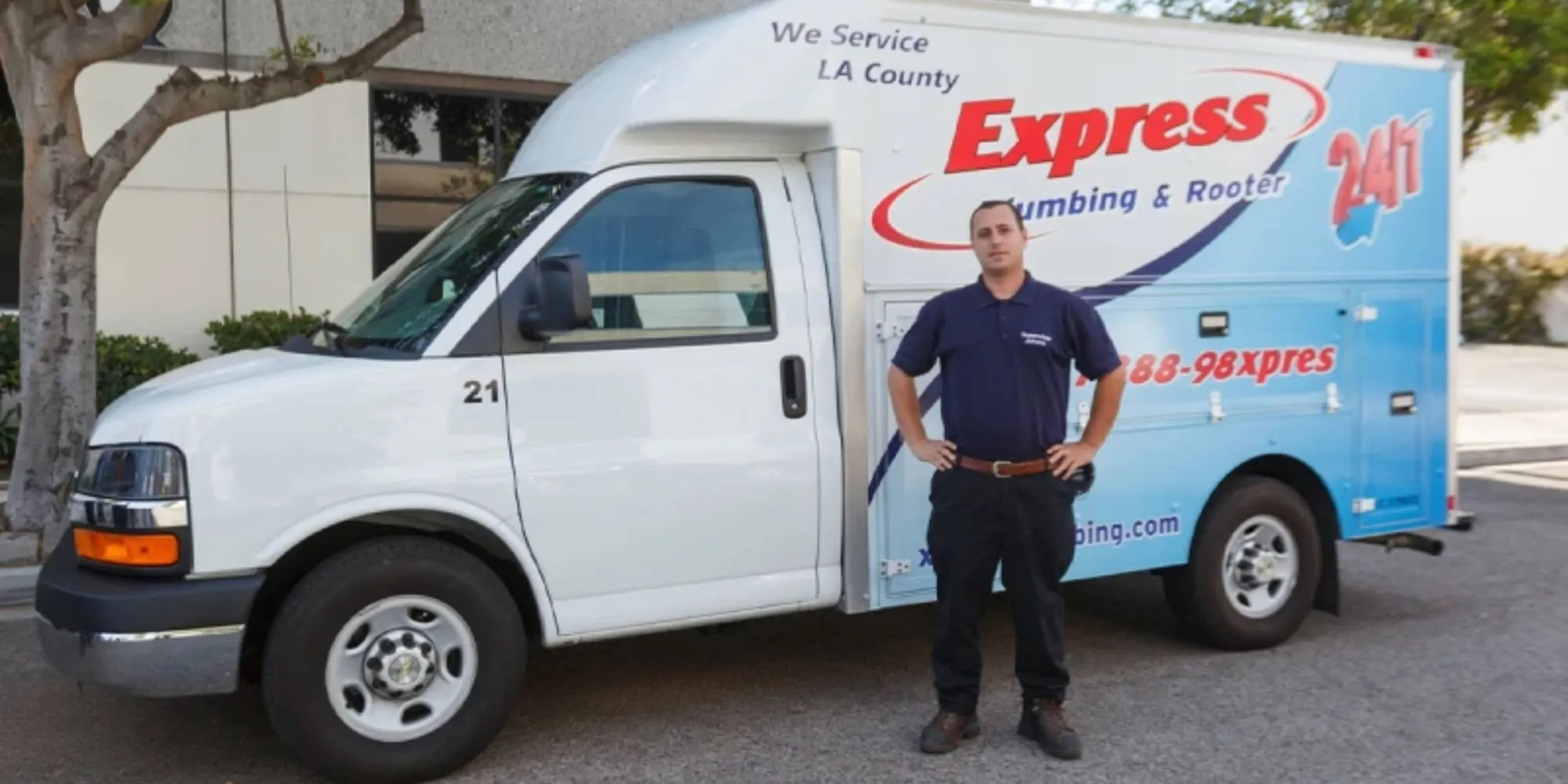
At Express Plumbing and Rooter, every sewer inspection uses high-definition cameras with locator technology so we can pinpoint exactly where the problem is and how deep underground it sits. That precision means faster repairs and less disruption to your property.
Sewer Repair Methods: What Are Your Options?
Not every sewer problem needs a full excavation. Here's a breakdown of the most common repair methods used today.
Traditional Excavation Repair
This is the old-school method — dig a trench, remove the damaged pipe, install new pipe, fill it back in. It's still necessary in some cases, especially when the pipe has completely collapsed or shifted out of alignment. The downside is obvious: your yard takes a hit, and the cost can be higher due to labor.
When is it the right call? When you have multiple feet of pipe damage, a total pipe collapse, or very old Orangeburg lines that need full replacement.
Trenchless Pipe Lining (CIPP)
Cured-In-Place Pipe lining is one of the biggest advances in sewer repair technology. Here's how it works: a flexible liner coated with resin is inserted into the damaged pipe. It's then inflated and cured (hardened) in place, creating a new pipe inside the old one.
Think of it like threading a new sleeve inside an old jacket. The old pipe stays in place, but the new lining restores full function. No digging. Your yard stays intact.
CIPP lining typically lasts 50+ years and is ideal for cracked or leaking pipes that are still mostly intact.
Pipe Bursting
Another trenchless method, pipe bursting is used when the old pipe needs to be fully replaced. A bursting head is pulled through the old pipe, breaking it apart from the inside while simultaneously pulling a new pipe in behind it.
Two small entry and exit points are all that's needed. Great for older clay or Orangeburg pipes that are too deteriorated to line.
The Repair Process Step-by-Step
Here's exactly what to expect when you call Express Plumbing and Rooter for sewer repair in Granada Hills:
Step 1 — Initial call and assessment. You describe what you're experiencing. We schedule a visit, often same-day for urgent situations.
Step 2 — Camera inspection. Our technician runs a camera through your sewer line to get a clear picture of the damage. You watch it in real time if you want.
Step 3 — Diagnosis and options. We explain what we found in plain English, not plumber-speak. We give you repair options with honest pricing.
Step 4 — Repair. Whether it's spot repair, pipe lining, pipe bursting, or excavation, we execute the repair with minimal disruption to your property.
Step 5 — Final inspection. After the repair, we run the camera again to confirm the fix is solid. No guessing.
Step 6 — Cleanup. We leave your property clean. If we dug, we restore the area as close to its original condition as possible.
What Does Sewer Repair Cost in Granada Hills?
Pricing varies based on the method, length of pipe, and severity of damage. Here's a general range for homeowners in the San Fernando Valley:
A basic sewer cleaning or rooter service typically runs $150–$350. A camera inspection is usually $100–$300, though some companies offer it free with a repair.
Spot repair (small section of pipe) runs roughly $500–$1,500. Trenchless pipe lining for a full sewer line ranges from $4,000–$10,000 depending on length. Full excavation and replacement can run $5,000–$15,000 or more for longer runs.
The biggest mistake homeowners make is waiting. A $300 rooter job that gets ignored for two years can become a $10,000 pipe replacement. Early action always saves money.
How to Prevent Future Sewer Problems
You can't control tree roots or aging soil, but you can do a lot to extend the life of your sewer line.
Never flush wipes, even ones labeled "flushable." They don't break down the way toilet paper does and they create massive clogs. Avoid pouring grease down the drain — it solidifies inside your pipes and narrows the flow. Schedule a sewer inspection every 2–3 years if your home is over 30 years old. Stay on top of tree root management if you have large trees near your sewer line.
A little prevention goes a long way.
Conclusion
Sewer problems don't get better on their own. What starts as a slow drain or a strange smell can turn into a backed-up home, a flooded yard, or a damaged foundation. The homeowners who come out ahead are the ones who catch it early and fix it right.
Express Plumbing and Rooter has been helping Granada Hills homeowners protect their sewer systems with honest diagnostics, modern repair methods, and no-nonsense pricing. Whether you need a quick rooter service or a full trenchless pipe lining, the team is ready to walk you through your options without the pressure.
If something feels off with your drains or pipes, trust that instinct. Get it checked.
Frequently Asked Questions
How do I know if I need sewer repair or just a drain cleaning?
If one drain is slow, it's probably a localized clog — a drain cleaning should handle it. If multiple drains are slow or backing up at the same time, it points to a main sewer line issue that needs a proper inspection.
Can I use my plumbing during a sewer repair?
It depends on the method. During trenchless repairs or spot repairs, water usage is usually limited for a few hours. Your technician will let you know before work begins.
How long does trenchless sewer repair take?
Most trenchless repairs — pipe lining or pipe bursting — are completed in one day. Complex jobs or longer pipe runs may take two days.
Will homeowners' insurance cover sewer repair?
Standard homeowners' insurance typically does not cover sewer line repair. However, some policies include sewer backup coverage as an add-on.
Is trenchless repair as durable as traditional repair? Yes — in most cases, it's more durable. CIPP lining creates a seamless new pipe inside the old one with no joints, which means fewer weak points. Most trenchless repairs carry warranties of 10–50 years.




























Sign in to leave a comment.