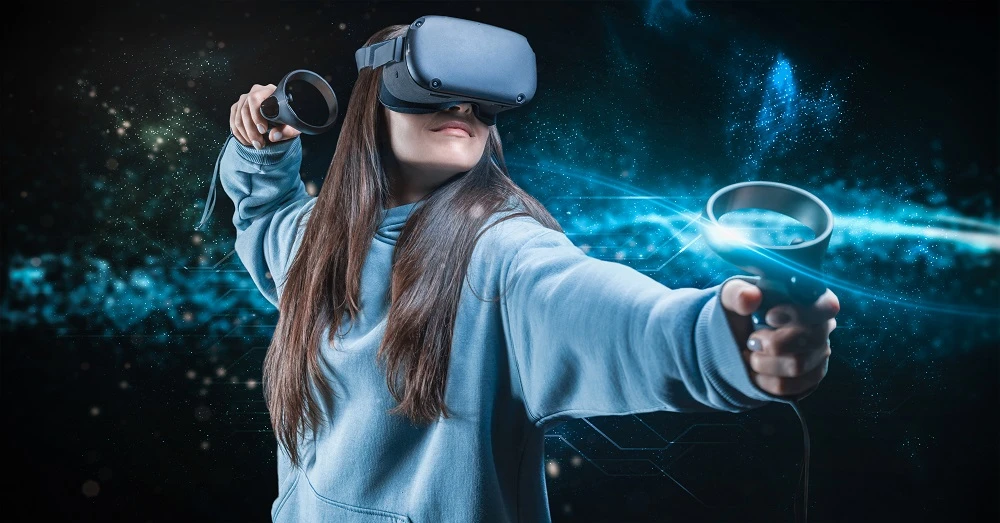

Virtual Reality (VR) is no longer a futuristic concept confined to science fiction. It\'s here, and it\'s transforming the way we interact with digital content. From gaming and entertainment to education and healthcare, VR applications are making significant impacts across various industries. This article delves into the intricacies of virtual reality application development, exploring the potential, trends, and essential elements required for creating immersive VR experiences.
Understanding Virtual Reality
Virtual Reality is an immersive technology that creates a simulated environment, allowing users to interact with 3D worlds. Unlike traditional interfaces, VR places the user inside an experience, enabling interaction with the environment in a seemingly real or physical way through the use of specialized VR headsets and controllers.
The Potential of VR Applications
The potential applications of VR are vast and varied:
- Gaming and Entertainment: VR has revolutionized the gaming industry, offering players an immersive experience that goes beyond traditional gaming. From action-packed adventures to peaceful explorations, VR games provide an unparalleled level of engagement.
- Education and Training: VR is being used to create interactive learning environments. Medical students can practice surgeries, pilots can simulate flights, and history students can explore ancient civilizations, all in a safe and controlled VR environment.
- Healthcare: VR is used in therapy, pain management, and surgical training. It provides a controlled environment for patients to face their fears, manage pain, and for doctors to practice complex procedures.
- Real Estate: Virtual tours are becoming a staple in the real estate industry, allowing potential buyers to explore properties without leaving their homes.
- Retail: VR enables customers to try before they buy, enhancing the online shopping experience by allowing them to visualize products in a real-world context.
Current Trends in VR Development
Several trends are shaping the future of VR application development:
- Wireless VR: The move towards wireless VR headsets is reducing the barriers to entry and enhancing the user experience.
- Higher Resolution and Frame Rates: Improved graphics and smoother frame rates are making VR experiences more realistic.
- Augmented Reality (AR) Integration: Combining VR with AR is creating mixed reality (MR) experiences that blend the digital and physical worlds.
- Haptic Feedback: Advanced haptic feedback systems are providing users with tactile responses, making VR interactions more immersive.
- AI and Machine Learning: AI is being integrated into VR to create more adaptive and responsive environments, enhancing the realism and interactivity of VR applications.
Key Elements of VR Application Development
Developing a VR application involves several critical steps:
- Conceptualization: Defining the purpose and scope of the VR application. This includes identifying the target audience and the problems the application aims to solve.
- Design: Creating the visual and interactive elements of the application. This involves 3D modeling, environment design, and user interface (UI) design.
- Development: Building the application using VR development tools and platforms. Popular tools include Unity, Unreal Engine, and Blender.
- Testing: Rigorous testing is essential to ensure the application runs smoothly and provides a seamless user experience.
- Deployment: Launching the application on the desired platforms, whether it be standalone VR headsets, PC-based systems, or mobile devices.
- Maintenance and Updates: Continuously improving the application based on user feedback and technological advancements.
Challenges in VR Development
Despite its potential, VR development comes with challenges:
- Technical Constraints: High-quality VR requires significant computing power, which can be a barrier for some users.
- Cost: Developing VR applications can be expensive due to the need for specialized hardware and software.
- User Comfort: Ensuring users do not experience motion sickness or discomfort during VR experiences is crucial.
- Content Creation: Creating high-quality, engaging content is time-consuming and requires specialized skills.
The Future of VR Application Development
The future of VR is promising, with advancements in technology and increasing adoption across industries. As hardware becomes more affordable and accessible, we can expect to see a surge in innovative VR applications. The integration of AI, improved haptic feedback, and the blending of AR and VR will further enhance the capabilities of virtual reality.
Conclusion
Virtual reality application development is at the forefront of technological innovation, offering endless possibilities for transforming how we interact with digital content. By understanding the potential, current trends, and essential development steps, businesses and developers can create immersive VR experiences that captivate and engage users. As we move forward, the line between the virtual and real worlds will continue to blur, opening up new avenues for exploration and interaction.



























Sign in to leave a comment.