
Introduction to Composites Design & Engineering
Composite materials are revolutionizing the field of engineering with their unique properties and versatility. In this section, we will delve into the fundamentals of composites design and engineering, exploring the key principles and manufacturing processes that make these materials so exceptional.
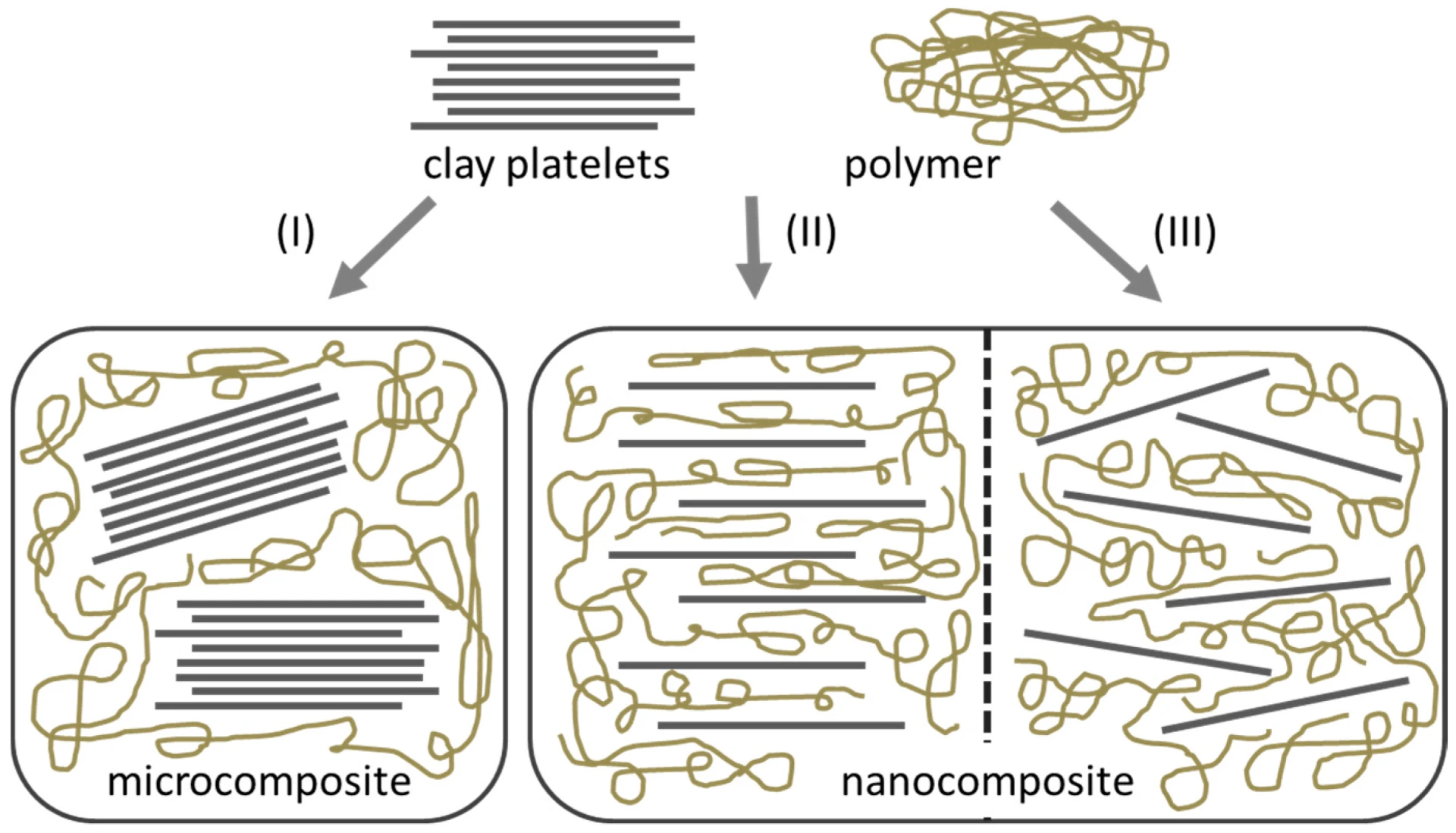
Composite materials consist of two or more constituent materials with different properties, combined to create a new material with enhanced characteristics. These materials are widely used in various industries due to their lightweight nature, high strength-to-weight ratio, and resistance to corrosion and fatigue.
Key Principles of Composite Materials
Properties of Composite Materials
Composite materials exhibit a wide range of properties, including:
- High strength
- Low weight
- Corrosion resistance
- Thermal stability
Manufacturing Processes for Composites
The manufacturing of composite materials involves several techniques, including:
- Resin infusion
- Vacuum bagging
- Compression molding
- Filament winding
Applications of Composites in Various Industries
Aerospace Industry
Composite materials are extensively used in the aerospace industry for:
- Aircraft fuselages
- Wings and control surfaces
- Interior components
Automotive Sector
In the automotive sector, composites are employed for:
- Vehicle body panels
- Structural components
- Interior trim
Marine Engineering
Composites find applications in marine engineering for:
- Boat hulls
- Mast and rigging components
- Subsea structures
Advancements and Future Trends in Composites
The field of composites design and engineering is constantly evolving, with ongoing advancements in materials and manufacturing techniques. Future trends include the development of bio-based composites, 3D printing of composite structures, and the integration of smart materials for enhanced functionality.
Sustainable Practices in Composites Design
As environmental concerns continue to grow, there is a growing focus on sustainability in composites design. This includes the use of recycled materials, eco-friendly manufacturing processes, and end-of-life recycling solutions to minimize environmental impact.
In conclusion, composites design and engineering play a crucial role in shaping the future of various industries. With ongoing advancements and a focus on sustainability, composite materials are poised to continue revolutionizing engineering applications for years to come.


























Sign in to leave a comment.