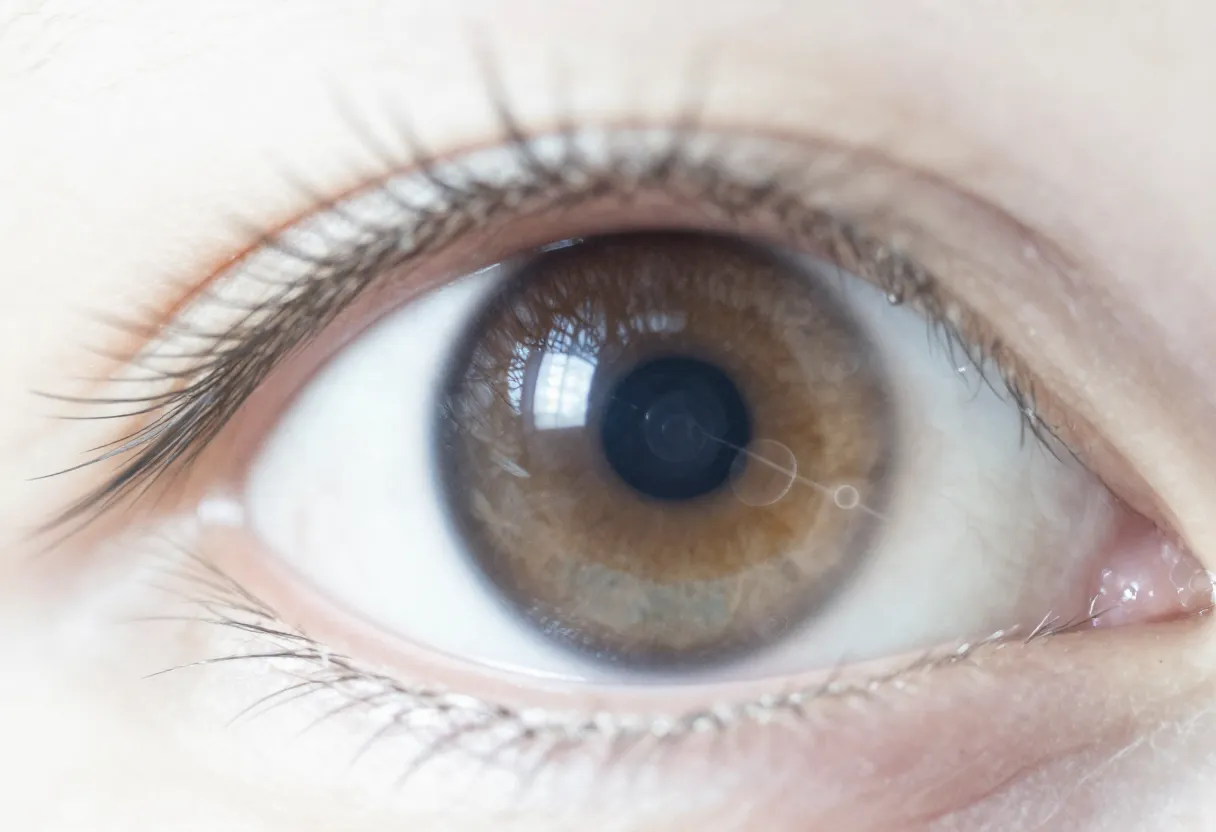

Eye floaters are small moving spots or shadowy shapes that drift across your field of vision. Although many floaters are harmless and become more common with age, sudden changes in floaters may indicate a serious retinal condition that requires immediate medical attention. Visiting an experienced eye doctor or retina specialist can help identify the cause and protect your long-term vision.
If you are noticing black spots in vision, flashes of light, or sudden visual disturbances, it’s important to understand the warning signs and treatment options available for eye floaters.
What Are Eye Floaters?
Eye floaters develop when tiny particles form inside the vitreous gel that fills the inside of the eye. As these particles move, they cast shadows on the retina, creating floating shapes in your vision.
People commonly describe eye floaters as:
- Tiny black spots
- Floating strings or cobwebs
- Gray specks drifting across vision
- Transparent squiggly lines
- Small shadow-like shapes
Floaters may appear more noticeable when looking at bright surfaces such as a computer screen, white wall, or blue sky.
Why Do Eye Floaters Happen?
Eye floaters can occur for several reasons. In many cases, they are related to natural aging changes inside the eye. However, certain retinal conditions can also cause floaters and flashes.
Common causes include:
Age-Related Vitreous Changes
As the vitreous gel ages, it becomes thinner and shrinks, causing small clumps to form inside the eye.
Posterior Vitreous Detachment
This occurs when the vitreous separates from the retina. While common, it may sometimes increase the risk of retinal tears.
Retinal Tears and Detachment
Sudden floaters accompanied by flashes of light may indicate retinal damage that requires emergency treatment.
Diabetic Retinopathy
Patients with diabetes may experience bleeding inside the eye, resulting in dark floaters or blurry vision.
Eye Injury or Inflammation
Trauma or inflammation inside the eye can also contribute to the development of floaters.
Routine visits to an experienced ophthalmologist can help identify these conditions early.
Warning Signs That Should Never Be Ignored
While occasional floaters are common, some symptoms may indicate a retinal emergency. Prompt treatment from an eye floaters and flashes specialist near me can help prevent permanent vision loss.
Seek immediate eye care if you experience:
- A sudden increase in eye floaters
- Bright flashes of light
- Black spots in vision that appear suddenly
- Blurred side vision
- A dark curtain or shadow across vision
- Sudden loss of visual clarity
These symptoms may signal a retinal tear or retinal detachment.
Eye Floaters and Retinal Health
Floaters are sometimes linked to serious retinal conditions that require advanced retina care and monitoring.
Retinal Tear
A retinal tear occurs when the retina develops a small break due to pulling from the vitreous gel.
Retinal Detachment
Retinal detachment happens when the retina separates from the back of the eye. Without quick treatment, permanent vision loss can occur.
Diabetic Eye Disease
Bleeding caused by diabetic retinopathy may create dark floaters and visual distortion.
Macular Conditions
Some macular diseases may also affect central vision and visual clarity.
Comprehensive eye exams help ensure the retina remains healthy and retina clear from serious damage.
The Importance of Eye Exams for Floaters
Scheduling regular eye exams for floaters is one of the best ways to detect retinal conditions before they become severe.
During your appointment, your eye doctor may perform:
- Dilated retinal examinations
- Optical coherence tomography (OCT)
- Retinal imaging scans
- Peripheral retina evaluations
- Vitreous examinations
These advanced tests help detect retinal tears, bleeding, inflammation, and other vision-threatening conditions.
How to Get Rid of Eye Floaters
Many people ask how to get rid of eye floaters effectively. The right treatment depends on the severity and cause of the floaters.
Observation and Monitoring
Small floaters that do not interfere with vision may only require regular monitoring by an ophthalmologist.
Laser Vitreolysis
Laser treatment may help reduce larger floaters by breaking them into smaller, less noticeable particles.
Vitrectomy Surgery
For severe cases, a vitrectomy removes the vitreous gel and replaces it with a clear fluid solution. This procedure is typically reserved for patients with significant visual impairment.
Your retina specialist will recommend the safest and most effective treatment based on your condition.
Age-Related Vision Changes and Floaters
Eye floaters are more common in adults over 50 because the vitreous naturally changes over time. Age-related eye conditions may increase the likelihood of floaters and flashes.
These conditions may include:
- Cataracts
- Macular degeneration
- Dry eye syndrome
- Glaucoma
Regular visits to a trusted eye care clinic are important for maintaining long-term eye health.
Tips to Protect Your Vision
Although eye floaters cannot always be prevented, healthy eye care habits may help reduce the risk of retinal complications.
Helpful eye care tips:
- Schedule routine comprehensive eye exams
- Manage diabetes and blood pressure
- Wear protective eyewear during sports and activities
- Avoid smoking
- Maintain a healthy diet rich in antioxidants
- Seek immediate care for sudden vision changes
Preventive care from an experienced eye doctor can help preserve healthy vision.
When to Visit a Retina Specialist
You should seek professional treatment if eye floaters suddenly worsen or begin affecting your daily activities. An experienced eye floaters and flashes specialist near me can determine whether your symptoms are related to normal aging or a more serious retinal problem.
Whether you need emergency retina treatment, diabetic eye care, or advanced retinal monitoring, early diagnosis is essential for protecting your eyesight.
Final Thoughts
Eye floaters are common, but sudden changes in vision should never be ignored. While many floaters are harmless, others may indicate retinal tears, retinal detachment, or diabetic retinal disease.
Early diagnosis and advanced treatment from a trusted eye doctor or retina specialist can help protect your vision and prevent serious complications. If you notice new or worsening floaters, schedule a comprehensive eye evaluation as soon as possible.




























Sign in to leave a comment.