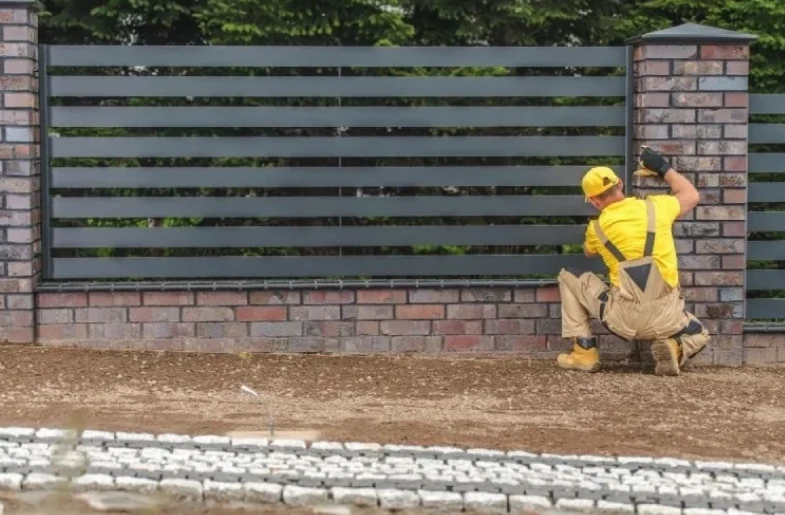

You need a fence that fits your property, budget, and long-term goals—and Fencing Contractors who deliver reliable craftsmanship and clear communication. A good contractor will assess your site, explain material and permit options, provide a transparent quote, and complete the job on schedule, helping you protect your yard, improve curb appeal, or add privacy without surprises.
This article helps you understand what contractors do, how to compare bids, and which questions to ask so you can choose the right team for your project. Expect practical tips on evaluating experience, warranties, timelines, and local permitting so you make a confident hiring decision.
Understanding Fencing Contractors
You’ll learn what fencing contractors actually do, the service types you can hire, the common qualifications to check, and how residential work differs from commercial projects.
What Fencing Contractors Do
Fencing contractors design, install, repair, and maintain fences to meet functional and aesthetic goals on your property. They assess site conditions, recommend materials and layouts, prepare cost estimates, obtain needed permits, and schedule work to minimize disruption.
During installation they set posts, run rails, attach panels or pickets, and ensure correct heights and alignment. For repairs, they replace damaged posts, realign panels, and handle rot or rust treatment. Many also offer site cleanup and final inspection to confirm the fence meets local codes and your expectations.
Types of Fencing Services Offered
Contractors typically provide:
- New installations (wood, vinyl, metal, composite, chain-link, masonry).
- Repairs and partial replacements (post resets, panel swaps, gate repair).
- Maintenance (staining, painting, rustproofing, board replacement).
- Custom fabrication (ornamental metalwork, privacy configurations, sound barriers).
You can expect additional services like site grading, retaining wall integration, and gate automation. Service scope varies: some companies focus only on installations, while others offer one-stop solutions including design, permitting, and long-term maintenance plans.
Qualifications and Certifications
Check for a valid business license and insurance (general liability and workers’ comp) before hiring. Ask for contractor registration or license numbers and verify them with your local licensing board.
Look for certifications from material manufacturers (e.g., vinyl or metal systems) and trade groups; these indicate training on specific products and installation standards. Request references and recent job photos, and confirm warranty terms—both workmanship and product coverage. Clear written estimates and a defined payment schedule protect your interests.
Residential vs. Commercial Fencing
Residential fencing prioritizes privacy, curb appeal, pet containment, and property boundaries. Expect smaller crews, aesthetic customization (picket, privacy, decorative metal), and shorter project timelines. Pricing often reflects materials chosen and landscape complexity.
Commercial fencing emphasizes security, durability, and code compliance—think chain-link with barbed wire, high-security gates, or concrete barriers. Projects may require coordination with site managers, night work, larger equipment, and stricter permits. Contractors working commercially often carry higher insurance limits and offer maintenance contracts suited to business needs.
Choosing the Right Fencing Contractor
You should look for a contractor who demonstrates proven experience with your fence type, provides clear written estimates, and holds current licensing and insurance that cover both workers and property. Know the exact materials, timelines, and warranty terms before you sign.
Evaluating Contractor Experience
Ask for at least three recent project references that match your fence material and terrain. Call those references and ask about timeliness, cleanup, and how the contractor handled unexpected site issues like roots or grading changes.
Review before-and-after photos for workmanship details: post alignment, fastener type, and gate hardware quality. Those visuals reveal whether the contractor installs to industry standards or cuts corners.
Confirm how long the contractor has worked in your local area and whether they subcontract. Local experience matters for permits and soil conditions. Request a written list of certifications or manufacturer training for composite, vinyl, or specialty systems.
Reviewing Quotes and Estimates
Require detailed, written estimates from at least two contractors for direct comparison. Each estimate should list: materials by brand and gauge, post spacing and depth, labor hours, permit fees, and cleanup or disposal costs.
Compare line items rather than total price alone. A lower bid may use thinner posts, shorter concrete footings, or cheaper fasteners that shorten lifespan.
Ask about change-order procedures and payment schedule. Use a staged payment plan tied to milestones—materials delivered, posts set, and final inspection—to protect yourself from incomplete work. Get warranty terms in writing for both materials and labor.
Verifying Licensing and Insurance
Verify the contractor’s business license number with your city or county licensing office. Licensing confirms they meet local trade and building requirements and helps you report violations.
Ask for a current certificate of general liability insurance and workers’ compensation coverage. Call the insurer to confirm policy dates and coverage limits; typical liability minimums vary by jurisdiction but should cover property damage and injury.
Confirm the contractor will obtain required permits and pass inspections. If the contractor uses subcontractors, ensure those workers are covered by insurance too. Keep copies of all license and insurance documents with your contract.

























Sign in to leave a comment.