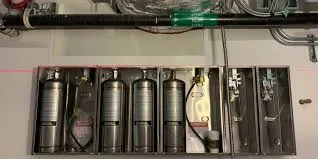

Fire extinguishers are among the most essential pieces of fire safety equipment in any building. Whether in a home, office, warehouse, restaurant, or industrial facility, they provide a critical first line of defense against small fires before they escalate into major emergencies. However, not all fire extinguishers are the same. Different environments require different types of extinguishers, and each must meet specific safety standards to remain compliant and effective.
Understanding the types of fire extinguishers, their proper uses, and the safety regulations that govern them can help property owners make informed decisions and stay prepared for emergencies. In this guide, we’ll break down the key classifications, explain how extinguishers work, and highlight why professional service from a trusted provider like Edison Fire Protection is vital for maintaining safety and compliance.
Why Fire Extinguishers Matter
According to national fire safety data, many fires can be controlled or extinguished in their early stages with a properly functioning extinguisher. When used correctly, fire extinguishers can:
- Prevent small fires from spreading
- Minimize property damage
- Reduce injury risks
- Protect employees, residents, and customers
- Lower potential insurance claims
- Support compliance with fire safety regulations
However, an extinguisher is only effective if it is the right type for the hazard and properly maintained. Choosing the wrong extinguisher—or neglecting routine inspections—can make a dangerous situation worse.
Understanding Fire Classes
Before discussing extinguisher types, it’s important to understand fire classifications. Fires are categorized based on the type of fuel involved. Each extinguisher is labeled according to the fire classes it can safely combat.
Class A – Ordinary Combustibles
These fires involve common materials such as:
- Wood
- Paper
- Cloth
- Trash
- Plastics
Class A fires are common in offices, homes, and retail environments.
Class B – Flammable Liquids
These include fires involving:
- Gasoline
- Oil
- Paint
- Solvents
- Alcohol
Class B fires are often found in garages, workshops, commercial kitchens, and industrial facilities.
Read more - What To Expect During A Fire Sprinkler Installation—From Design To Certification
Class C – Electrical Equipment
These fires involve energized electrical components such as:
- Circuit breakers
- Appliances
- Wiring
- Machinery
- Computers
Class C fires require extinguishers that do not conduct electricity.
Class D – Combustible Metals
These fires involve reactive metals like:
- Magnesium
- Sodium
- Potassium
- Titanium
Class D fires are typically found in manufacturing or laboratory settings.
Class K – Cooking Oils and Grease
These fires occur in commercial kitchens where:
- Vegetable oils
- Animal fats
- Deep fryers
Class K extinguishers are specially designed to handle high-temperature grease fires.
Types of Fire Extinguishers and Their Uses
Different extinguishers use different agents to suppress fires. Below are the most common types and where they are best used.
1. Water Extinguishers
Best for: Class A fires
Water extinguishers cool burning materials by reducing heat. They are simple and effective for paper, wood, and fabric fires but should never be used on electrical or grease fires, as water can spread flammable liquids or cause electric shock.
2. Foam Extinguishers
Best for: Class A and B fires
Foam extinguishers create a blanket over flammable liquids to suppress vapors and prevent re-ignition. They are commonly used in environments where fuels or solvents are stored.
3. Carbon Dioxide (CO₂) Extinguishers
Best for: Class B and C fires
CO₂ extinguishers work by displacing oxygen, effectively smothering flames. They are ideal for electrical rooms, offices, and areas with sensitive electronics because they leave no residue.
4. Dry Chemical Extinguishers
Dry chemical extinguishers are the most versatile and widely used type.
ABC Dry Chemical
Effective for: Class A, B, and C fires
These multipurpose extinguishers interrupt the chemical reaction of a fire. They are commonly installed in offices, retail stores, and commercial buildings.
BC Dry Chemical
Effective for: Class B and C fires
These are often used in mechanical rooms or areas with fuel and electrical hazards.
5. Wet Chemical Extinguishers
Best for: Class K fires
Wet chemical extinguishers are designed specifically for commercial kitchens. They cool burning oils and create a foam barrier to prevent re-ignition. Restaurants and food facilities are typically required to have Class K extinguishers available.
6. Clean Agent Extinguishers
Best for: Class B and C fires
Clean agent extinguishers use gases that leave no residue, making them ideal for data centers, medical facilities, laboratories, and offices with expensive electronics.
7. Class D Extinguishers
Best for: Combustible metal fires
These extinguishers use specialized powders to absorb heat and smother reactive metal fires. They are typically found in industrial and manufacturing environments.
Fire Extinguisher Safety Standards
Owning the correct extinguisher is only part of the equation. Fire extinguishers must also comply with national and state safety standards.
NFPA 10 Compliance
The National Fire Protection Association (NFPA) Standard 10 outlines requirements for:
- Proper extinguisher placement
- Travel distance to extinguishers
- Inspection and maintenance schedules
- Recharging procedures
- Hydrostatic testing intervals
Most commercial properties are required to follow NFPA 10 guidelines.
OSHA Requirements
The Occupational Safety and Health Administration (OSHA) mandates that businesses:
- Provide accessible fire extinguishers
- Train employees on their use
- Maintain equipment in operable condition
Failure to comply with OSHA standards can result in fines and workplace safety violations.
California and Local Code Requirements
In California, additional fire safety regulations may apply, especially for commercial kitchens, industrial properties, and high-occupancy buildings. Annual inspections by certified technicians are typically required to ensure extinguishers remain compliant and ready for use.
Proper Fire Extinguisher Placement
Correct placement is critical. Extinguishers should:
- Be mounted at visible, accessible locations
- Be located along normal paths of travel
- Be near exits, not inside high-risk areas
- Match the specific hazard present
For example:
- Kitchens require Class K extinguishers
- Electrical rooms require CO₂ or ABC extinguishers
- Warehouses may require additional coverage depending on storage
A professional fire protection assessment ensures the right extinguisher is placed in the right location.
Best information visit here - Key Signs Your Kitchen Fire Suppression System Needs Service Or Upgrading
Inspection and Maintenance Requirements
Even the best extinguisher will fail if it is not maintained properly.
Monthly Visual Checks
Property managers should check:
- Pressure gauge in the green zone
- No visible damage
- No obstructions
- Intact safety pin and seal
Annual Professional Service
A certified technician must:
- Perform internal inspection
- Verify pressure levels
- Replace damaged components
- Update service tags
- Recharge units if necessary
Hydrostatic Testing
Certain extinguishers require pressure testing every 5–12 years depending on type.
Regular service extends equipment lifespan and ensures compliance with safety codes.
Why Professional Service Matters
Improper installation or neglected maintenance can lead to serious consequences during an emergency. Partnering with an experienced provider ensures:
- Correct extinguisher selection
- Code-compliant placement
- Routine inspections and documentation
- Emergency recharge and replacement services
- Guidance on updated fire safety standards
Edison Fire Protection has extensive experience helping businesses across Los Angeles meet fire extinguisher compliance requirements while ensuring reliable protection.
The Role of Fire Extinguishers in a Complete Fire Protection Plan
Fire extinguishers are just one component of a comprehensive fire safety strategy. A complete plan may also include:
- Fire alarm systems
- Sprinkler systems
- Kitchen suppression systems
- Emergency lighting
- Fire inspections and compliance checks
When integrated together, these systems provide layered protection that reduces risk and improves response time.
Final Thoughts
Fire extinguishers may seem simple, but their role in fire safety is powerful. Choosing the right type, placing it properly, and maintaining it according to safety standards can mean the difference between a small, contained incident and a devastating fire emergency.
Understanding the various fire extinguisher types, their uses, and the regulations that govern them helps property owners make informed safety decisions. For professional installation, inspection, and maintenance services, working with a trusted fire protection provider ensures both compliance and peace of mind.
Contact Edison Fire Protection Company, Inc.
Edison Fire Protection Company, Inc.
📍 Address: 3368 North San Fernando Road #108, Los Angeles, CA 90065
📞 Phone: 1-800-222-9338
🌐 Website: https://edison-fire.com/
























Sign in to leave a comment.