
Fire safety is a critical responsibility for anyone who owns, manages, or operates a property in London. With the city’s dense population, diverse property types, and strict fire safety regulations, neglecting fire risk can have serious consequences. A Fire Risk Assessment London is central to managing these risks effectively, ensuring the safety of occupants, protecting property, and maintaining compliance with UK legislation.
Whether you are a landlord, property manager, or business owner, understanding what a fire risk assessment involves, why it is necessary, and how to keep it up to date is essential.
What Is a Fire Risk Assessment?
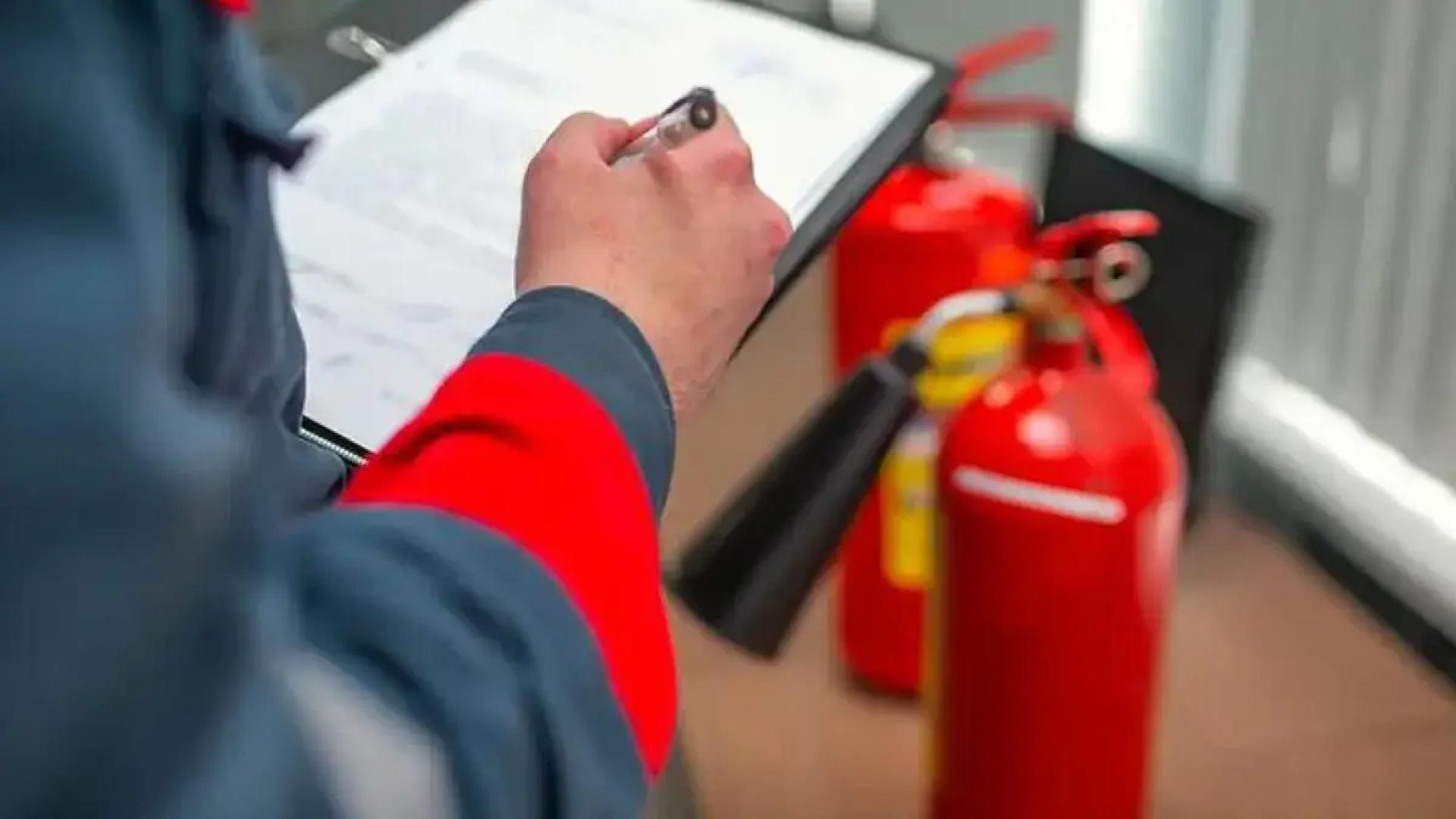
A Fire Risk Assessment is a structured evaluation of a building aimed at identifying fire hazards, determining who might be at risk, and assessing whether current safety measures are adequate. The assessment provides a detailed report that includes recommendations to reduce risks and improve fire safety procedures.
Unlike generic checklists, a professional assessment considers the specific features of your building, its occupancy, and its use. This is particularly important in London, where properties range from historic conversions and high-rise flats to offices and commercial spaces.
Key elements typically reviewed during a Fire Risk Assessment include:
- Sources of ignition (electrical equipment, heating, appliances)
- Combustible materials and storage practices
- Fire detection and alarm systems
- Means of escape and emergency exits
- Firefighting equipment and signage
- Fire doors, compartmentation, and emergency lighting
- Staff or tenant awareness and training
Legal Requirements in London
Fire safety in England is governed by the Regulatory Reform (Fire Safety) Order 2005. Under this legislation, the “Responsible Person” — often the landlord, employer, or managing agent — is legally obligated to ensure that a suitable and sufficient fire risk assessment is carried out and maintained.
This applies to most non-domestic properties, as well as shared areas in residential buildings, such as:
- Apartment blocks and HMOs
- Offices and workplaces
- Shops, restaurants, and hospitality venues
- Schools, care homes, and healthcare facilities
Failing to conduct a proper assessment can result in enforcement notices, substantial fines, or even criminal prosecution. A comprehensive Fire Risk Assessment London demonstrates due diligence and a commitment to occupant safety.
Why Fire Risk Assessments Are Particularly Important in London
Several factors make fire risk management especially critical in London:
- High-density population: Fires can spread quickly, and evacuation can be challenging.
- Varied building types: Older properties may lack modern fire safety features, such as compartmentation or advanced alarms.
- High-rise and mixed-use developments: More complex layouts increase the difficulty of fire management.
- Frequent renovations and occupancy changes: Adjustments to the building can unintentionally introduce new hazards.
These challenges make professional assessments essential for identifying risks early and implementing effective safety measures.
Who Should Conduct a Fire Risk Assessment?
While property owners can perform their own assessment, hiring a qualified fire risk assessor is highly recommended. A professional assessor offers expertise in London-specific building types, legislation, and safety practices. They provide clear, actionable recommendations that go beyond generic advice, helping property owners comply with legal requirements and improve overall safety.
Key qualifications to look for in a fire risk assessor include:
- Recognised fire safety certifications
- Experience with residential and commercial properties in London
- Knowledge of current UK fire safety legislation and standards
- Ability to provide detailed, practical reports
Common Issues Identified During Fire Risk Assessments
Many London properties fail to meet compliance due to relatively simple, fixable issues. Common problems include:
- Blocked or poorly signed escape routes
- Faulty or outdated fire alarms
- Fire doors that do not close properly
- Inadequate emergency lighting
- Missing fire safety documentation or tenant guidance
Addressing these issues promptly can prevent enforcement action, improve occupant safety, and reduce liability.
Benefits of a Fire Risk Assessment
Conducting a Fire Risk Assessment London provides numerous benefits, including:
- Legal compliance: Demonstrates adherence to UK fire safety laws.
- Protection of occupants: Reduces the likelihood of injury or loss of life.
- Insurance compliance: Many insurers require up-to-date assessments for claims.
- Asset protection: Minimises the risk of fire damage to property.
- Peace of mind: Confirms that proper procedures and measures are in place.
Keeping Your Assessment Up to Date
A fire risk assessment is not a one-off task. Changes to the building, its occupancy, or its use can alter fire risks and require a reassessment. Key moments for review include:
- Major renovations or refurbishments
- Installation of new equipment or electrical systems
- Changes in occupancy, such as new tenants or staff
- Updates to fire safety regulations
Regularly reviewing and updating your assessment ensures ongoing compliance, demonstrates due diligence, and helps maintain a safe environment for everyone.
How to Prepare for an Inspection
When London fire authorities conduct inspections, they look for:
- A current, documented Fire Risk Assessment
- Evidence that recommendations have been implemented
- Proper maintenance of fire alarms, doors, and emergency lighting
- Records of staff or tenant fire safety training
Having a professional Fire Risk Assessment London in place, along with clear records of actions taken, makes inspections smoother and reduces the risk of penalties.
Conclusion
A Fire Risk Assessment London is not merely a legal requirement — it is a vital step in protecting lives, property, and business continuity. For landlords, property managers, and business owners, it provides clarity on potential hazards, ensures compliance with fire safety law, and reduces liability.
By conducting a thorough assessment, addressing identified issues, and keeping documentation current, property owners can create a safer, more secure environment for tenants, employees, and visitors alike. In a city as complex as London, proactive fire safety management is essential for every building.






















Sign in to leave a comment.