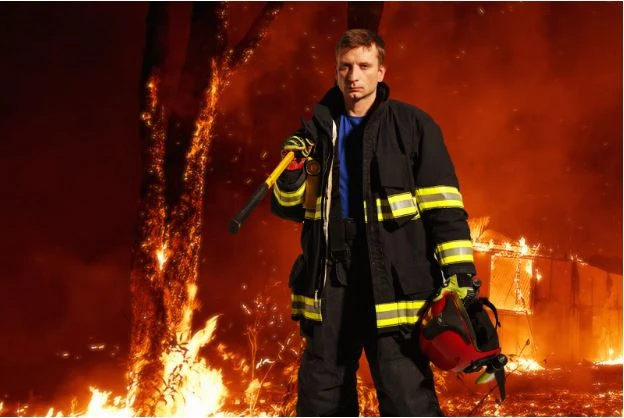

Fire safety is not a luxury or an optional layer of protection. It is a legal, operational, and ethical requirement for any property where people live, work, or gather. When permanent fire protection systems fail, are under maintenance, or are not yet installed, temporary fire safety coverage becomes essential. This is where fire watch guards play a critical role. Understanding how fire watch services work, when they are required, and how they support compliance can help property owners, managers, and contractors reduce risk while maintaining operations.
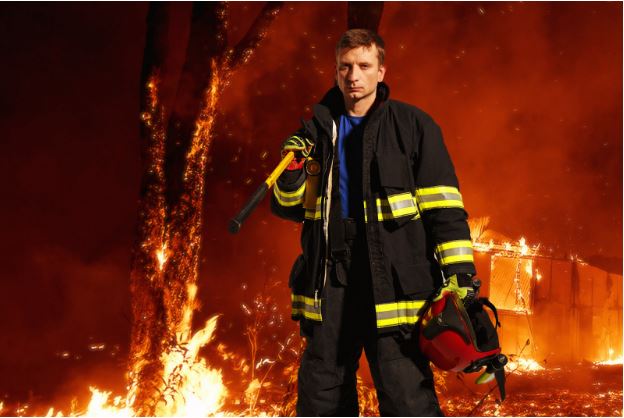
Understanding Fire Watch Guards
Fire watch guards are trained safety professionals assigned to monitor properties for fire hazards when standard fire detection or suppression systems are compromised. These guards actively patrol designated areas, identify potential risks, and respond immediately if signs of fire or smoke appear. Their presence is typically required when fire alarms, sprinkler systems, or fire panels are offline due to repairs, inspections, or unexpected failures.
Unlike passive systems, fire watch guards provide a human layer of protection. They are capable of assessing real-time conditions, recognizing unsafe behaviors, and taking preventive action before a situation escalates. Duties often include logging patrols, checking fire exits, ensuring combustible materials are stored correctly, and contacting emergency services if necessary. This proactive approach significantly reduces the chance of catastrophic fire incidents during vulnerable periods.
When Temporary Fire Safety Coverage Is Required
Temporary fire safety coverage is often mandated by fire marshals, insurance providers, or local authorities. Situations that commonly require fire watch services include malfunctioning fire alarms, disabled sprinkler systems, power outages affecting detection equipment, and construction or renovation projects that increase fire risk. High-occupancy buildings such as hospitals, hotels, residential complexes, and commercial facilities are especially subject to these requirements.
Construction sites also represent a major risk category. Hot work, exposed wiring, and temporary power sources can significantly elevate the chance of fire. In such environments, temporary coverage ensures that safety standards are maintained even in the absence of permanent systems. Failure to provide adequate coverage can lead to fines, stop-work orders, or forced building evacuation.
Key Responsibilities of Fire Watch Guards
The role of a fire watch guard extends far beyond standing by. Responsibilities are structured, documented, and focused on prevention and response. Guards conduct continuous patrols at intervals defined by local fire codes, often every 15 to 30 minutes. During patrols, they inspect high-risk areas such as electrical rooms, mechanical spaces, and storage zones.
Guards are also responsible for maintaining detailed logs that document patrol times, observations, and actions taken. These logs are critical for compliance and may be reviewed by fire inspectors or insurance auditors. In the event of smoke or fire, guards are trained to initiate emergency procedures, alert occupants, and contact the fire department without delay. This combination of vigilance and documentation ensures accountability and safety.
Compliance With Fire Codes and Regulations
Fire watch services are governed by local and national fire codes, including standards set by authorities such as the National Fire Protection Association. Regulations specify when fire watch coverage is required, how often patrols must occur, and what qualifications guards must possess. Non-compliance can result in severe penalties, including building closure.
Property managers often underestimate the complexity of compliance during system outages. Temporary fire safety coverage bridges this gap by ensuring that regulatory obligations are met while permanent systems are restored. Fire watch guards are typically familiar with jurisdictional requirements, making them an effective solution for maintaining compliance under time-sensitive conditions.
Industries That Commonly Require Fire Watch Services
Certain industries rely heavily on temporary fire safety coverage due to the nature of their operations. Healthcare facilities cannot simply shut down when fire systems are offline, making fire watch guards essential for patient safety. Hospitality properties face similar challenges, as guest occupancy continues around the clock.
Industrial facilities, warehouses, and manufacturing plants also frequently require coverage due to machinery heat, flammable materials, and electrical loads. Residential buildings, particularly high-rise complexes, are another common application, as evacuation risks and occupant density demand constant oversight during system outages.
Benefits of Hiring Professional Fire Watch Guards
Professional fire watch services provide more than basic monitoring. Trained guards understand fire behavior, evacuation procedures, and communication protocols. Their presence can deter unsafe practices, such as blocked exits or improper storage of combustible materials.
Insurance providers often view professional fire watch coverage favorably, as it reduces the likelihood of major claims. In some cases, coverage may even be required to maintain policy validity. From a liability standpoint, having documented, professional oversight demonstrates due diligence and risk management.
When engaging Fire Watch Guards services, properties gain access to trained personnel who understand regulatory expectations and operational realities. This service supports continuity while safeguarding lives and assets during critical periods.
Temporary Coverage Versus Permanent Fire Systems
Temporary fire safety coverage is not a replacement for permanent systems. Instead, it serves as a stopgap measure during outages, upgrades, or construction phases. Permanent systems provide automated detection and suppression, while fire watch guards offer adaptability and human judgment.
Both approaches are most effective when used together. Temporary coverage ensures uninterrupted protection, while permanent systems deliver long-term reliability. Understanding this distinction helps stakeholders plan effectively and avoid unnecessary risks.
Training and Qualifications of Fire Watch Guards
Effective fire watch guards undergo specialized training that covers fire prevention, emergency response, and communication. Many jurisdictions require guards to hold certifications or complete approved training programs. Knowledge of building layouts, fire hazards, and evacuation routes is essential.
Professional services typically ensure guards are familiar with site-specific risks before deployment. This preparation allows for targeted patrols and faster response times. Training also emphasizes clear communication with building occupants and emergency responders, reducing confusion during critical moments.
Cost Considerations and Value
The cost of fire watch services varies based on factors such as property size, risk level, and required coverage duration. While some view temporary coverage as an added expense, the value lies in risk mitigation. Fire incidents can result in loss of life, property damage, legal action, and reputational harm.
Compared to the potential consequences of inadequate protection, fire watch services represent a cost-effective solution. They allow operations to continue safely while permanent systems are repaired or installed.
Choosing the Right Fire Watch Service Provider
Selecting a qualified provider is crucial. Experience, training standards, and compliance knowledge should be evaluated carefully. A reliable provider offers clear documentation, transparent pricing, and guards who understand local fire codes.
Reputation and responsiveness also matter. Fire watch coverage is often needed urgently, and delays can lead to enforcement action. A dependable provider ensures rapid deployment and consistent service quality.
Conclusion
Fire Watch Guards and temporary fire safety coverage play a vital role in modern risk management. When permanent fire protection systems are unavailable, these services ensure continuous monitoring, regulatory compliance, and rapid response. From commercial buildings to construction sites, temporary coverage protects lives, assets, and operations during vulnerable periods.
Understanding when and why fire watch services are required empowers property stakeholders to make informed decisions. With trained professionals providing vigilant oversight, temporary fire safety coverage becomes a practical and effective safeguard against fire-related risks.
Frequently Asked Questions
What triggers the requirement for fire watch guards?
Fire watch guards are typically required when fire alarms, sprinkler systems, or other fire protection equipment are out of service due to malfunction, maintenance, or construction activities.
Are fire watch guards required by law?
In many jurisdictions, fire watch coverage is mandated by local fire codes or enforced by fire marshals, especially in high-occupancy or high-risk buildings.
How often do fire watch guards patrol a property?
Patrol frequency is determined by local regulations and risk level, commonly ranging from every 15 to 30 minutes.
Can temporary fire safety coverage replace permanent systems?
Temporary coverage is not a replacement for permanent systems. It is a short-term solution used until full fire protection is restored.
Do fire watch guards provide documentation?
Yes, professional fire watch guards maintain detailed logs of patrols, observations, and actions, which support compliance and inspections.
















Sign in to leave a comment.