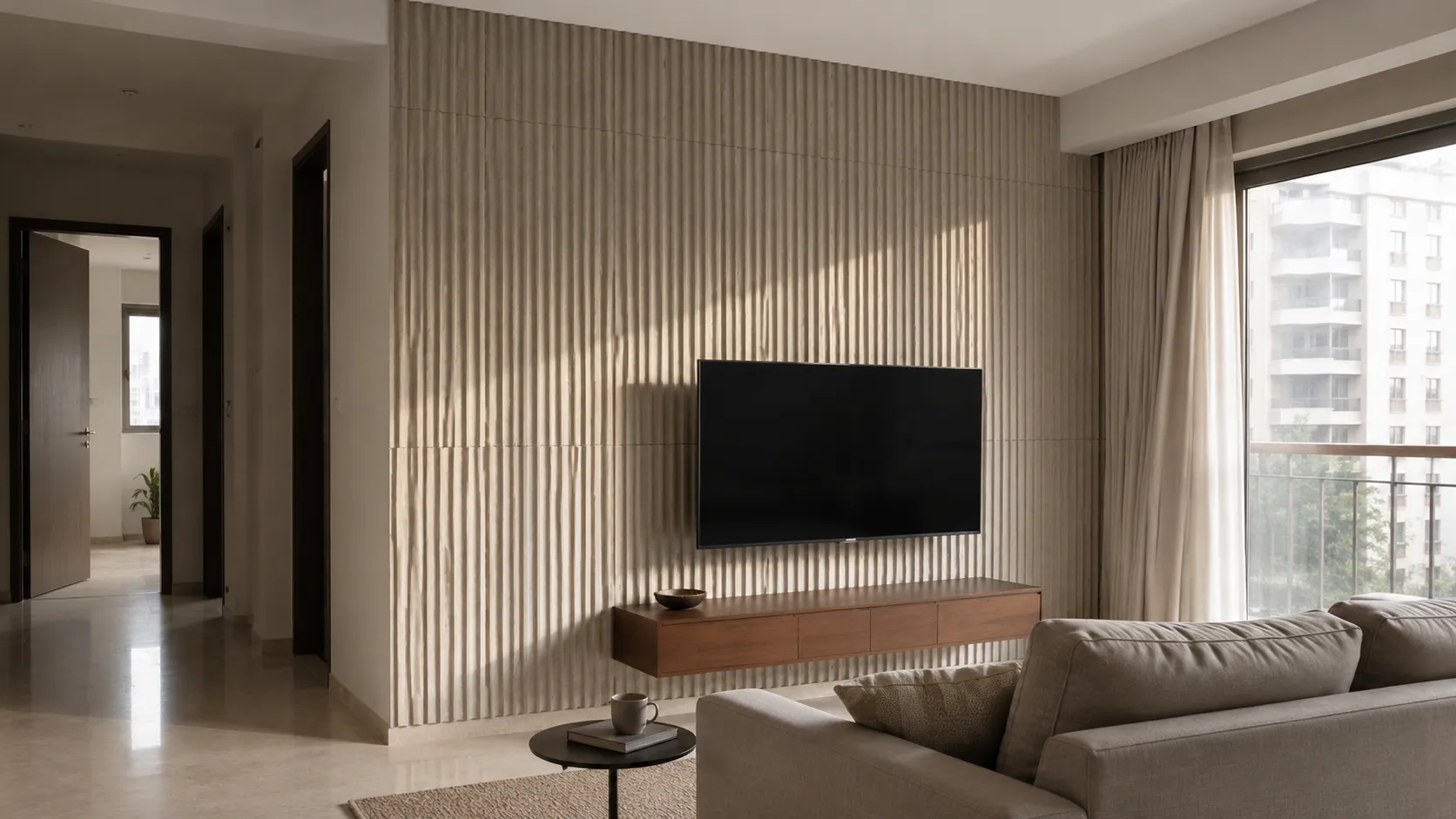


You have likely noticed ribbed, vertical-line textures appearing in modern Indian apartments lately. This "fluted" look is catching attention because the grooves play beautifully with light and shadow, adding instant depth to flat walls. While the design is increasingly visible in showrooms and interior magazines, deciding to use it in your own flat requires more than just liking the aesthetic.
Before you commit, it is important to understand what you are actually buying and how much cleaning effort you are prepared for.
Know What You Are Buying: Tile vs. Panel
The word "fluted" only describes the shape of the surface, not the material. When you ask for a fluted wall finish, you might be shown a fired ceramic or vitrified tile, or you might be shown a panel made of MDF, WPC, or PVC.
These are completely different products. A fired tile is permanently fixed with adhesive and grout, making it highly durable. A composite or wood-based panel is often easier to install or remove but has different moisture and heat limits. Always ask the dealer to clarify the exact material before comparing prices or performance.

The Cleaning Reality
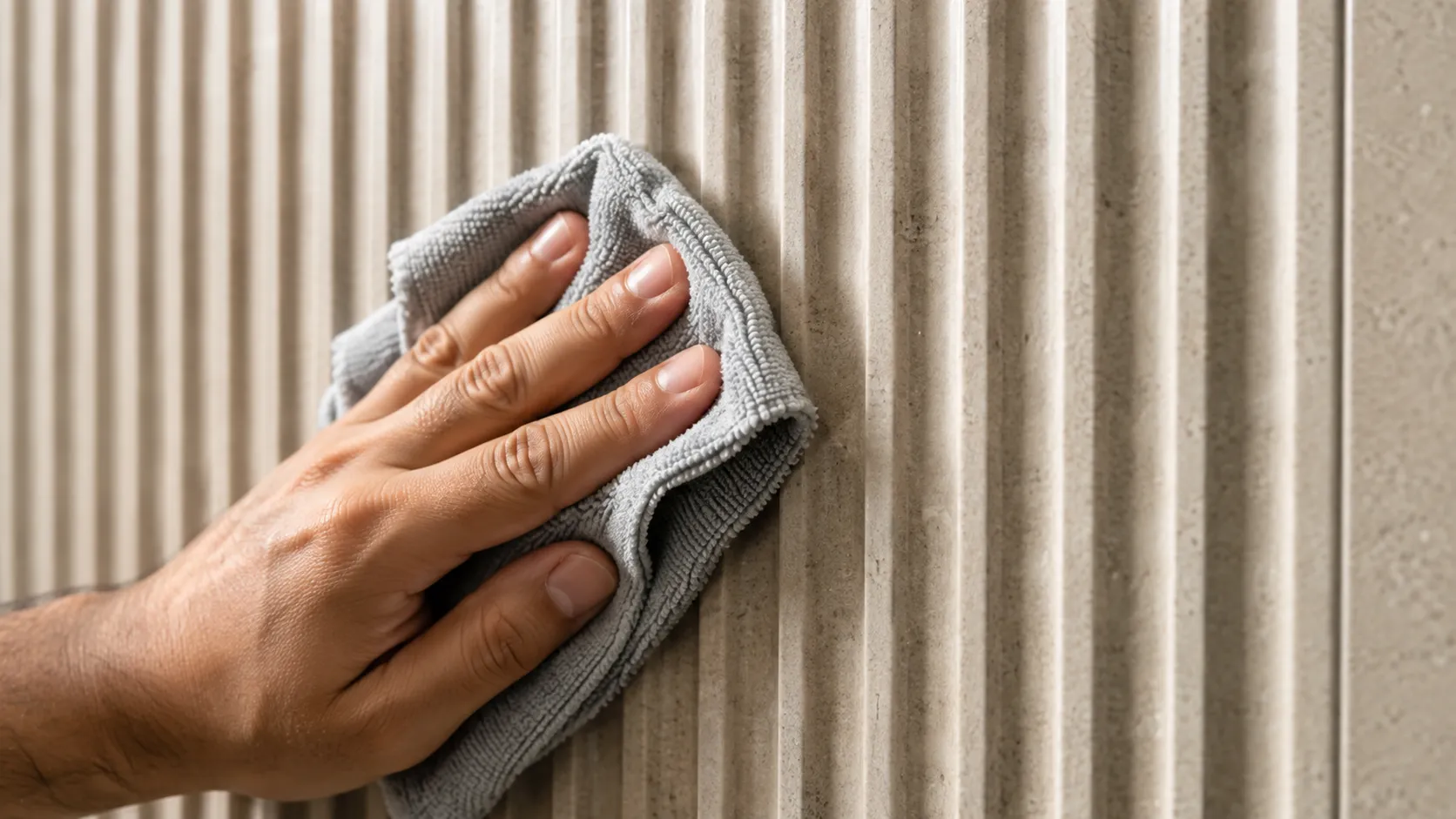
The biggest trade-off with fluted surfaces is maintenance. A flat wall can be wiped clean in seconds. A fluted surface has recessed grooves where dust, cooking grease, and mineral deposits can easily settle.
If you install a deeply grooved tile in a dry living room, occasional dusting is usually enough. However, if you place that same deep texture directly behind an active kitchen stove, cleaning out sticky grease from every groove will quickly become a frustrating chore. Always match the depth of the texture to the room's exposure.
Where Should You Use Fluted Tiles?
Living Rooms and Feature Walls
This is the safest and most popular application. The low exposure to grease and water makes cleaning manageable. The visual effect depends heavily on lighting. A fluted tile that looks dramatic under strong showroom spotlights might look surprisingly flat under the softer, diffused lighting of your apartment. Always ask to see a sample in your actual room before ordering.
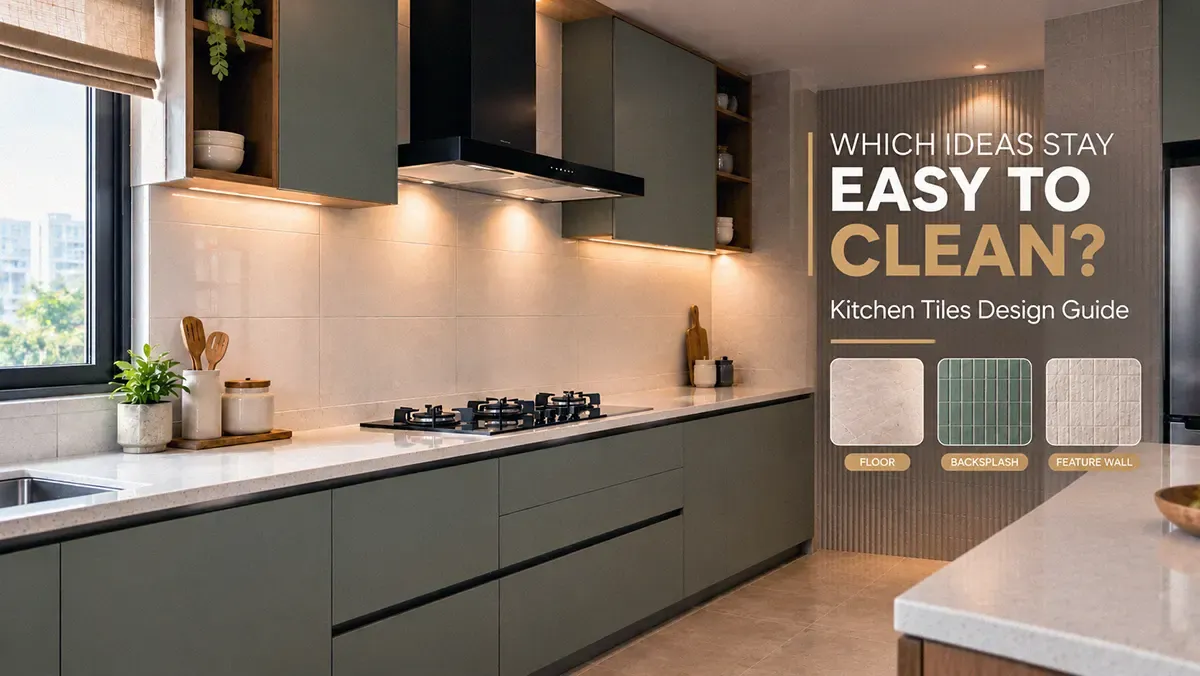
Kitchens
You can use fluted tiles in a kitchen, but be strategic. Use them on decorative walls away from the main cooking area. If you must use them near the stove, choose a very shallow flute profile to make daily wiping easier.
Bathrooms and Wet Areas
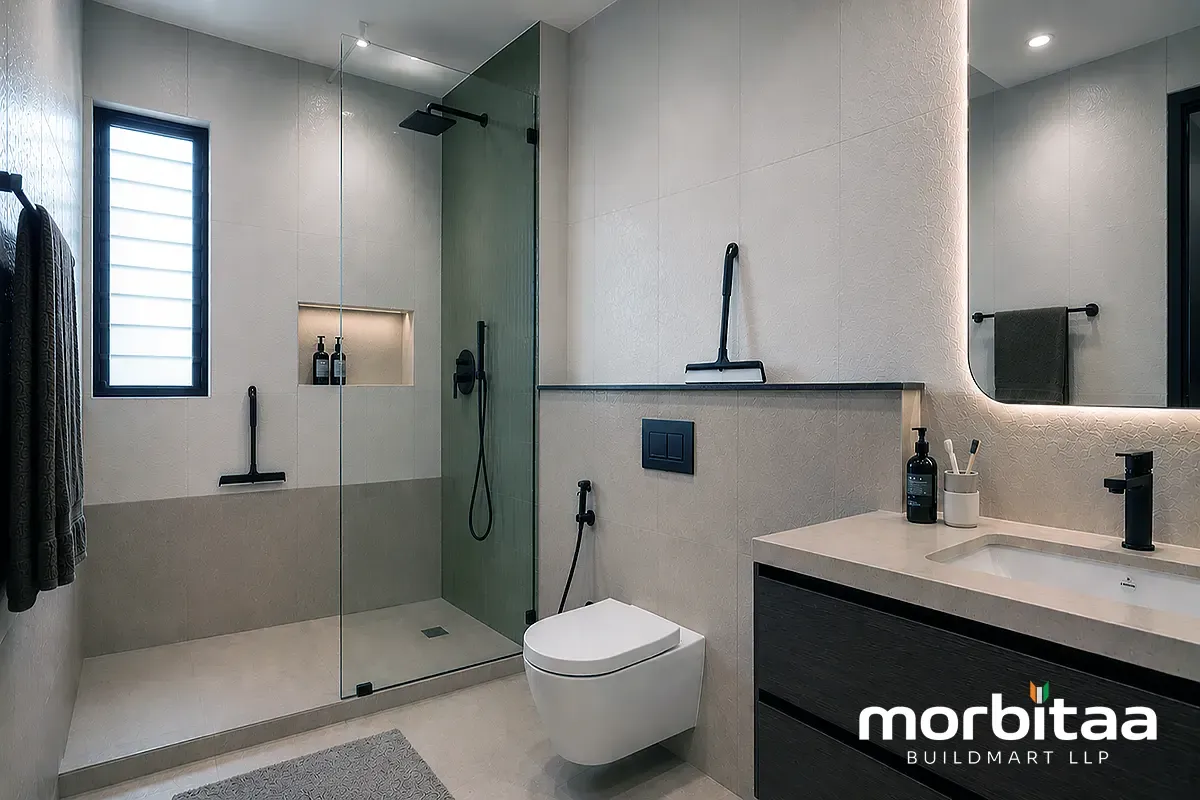
Using a premium vitrified fluted tile does not automatically make your shower waterproof. The tile is just the decorative finish. The actual water protection comes from the concealed waterproofing membrane applied behind the tile. Furthermore, if your area has hard water, expect mineral scale to build up in the grooves over time.
Key Checks Before You Buy
Before placing a bulk order, do not just look at the design. Ask the dealer for the technical datasheet and verify the following:
- Intended Use: Is the specific product clearly rated for wall, wet-area, or floor use? Never assume a fluted tile can go on the floor just because it looks durable.
- Installation Requirements: Does the tile require a specific adhesive or special wall preparation? Fluted tiles look terrible if the wall behind them is uneven.
Corner Detailing: How will the edges and corners be finished? Ribbed tiles require careful planning around plug points and switchboards to avoid messy, uneven gaps.

Conclusion
Fluted wall tiles can genuinely elevate the look of an Indian flat when used selectively. They add beautiful vertical rhythm to compact spaces. By confirming the exact material, planning for the cleaning reality, and ensuring proper installation, you can achieve a striking feature wall that looks intentional and remains easy to live with.






















Sign in to leave a comment.